Clinics often struggle to deliver zirconia crowns and bridges that look natural yet stand up to long-term use.
Focusing on either strength or esthetics alone can lead to fracture risks or visibly artificial results.
With the right material selection, design planning, and lab collaboration, it’s possible to achieve restorations that meet both structural and visual demands without compromise.
Balancing strength and esthetics in zirconia restorations involves selecting the appropriate zirconia type for each zone, maintaining proper thickness and design for occlusal load, and using high-translucent or multi-layered materials for visible areas. Effective CAD/CAM workflows and lab communication ensure optimal outcomes.
Zirconia’s strength is not a single metric—it’s the result of material properties, processing techniques, and digital precision. Understanding what defines “strength” helps clinics and labs select the right type of zirconia and avoid failures in high-stress areas like bridges and molars.
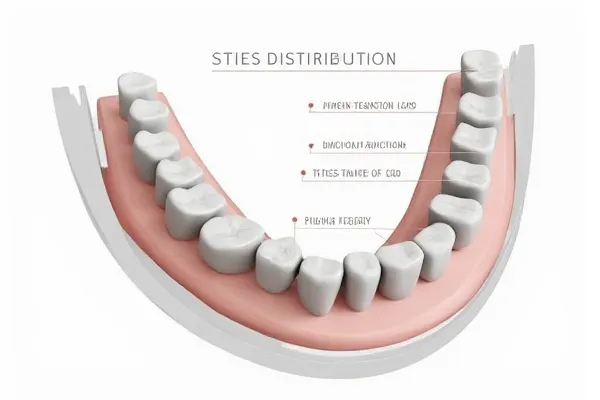
Zirconia-Bridge-Strength-Diagram
Flexural strength is the key indicator of how much force zirconia can withstand before fracturing.
Higher flexural strength reduces the risk of catastrophic fracture—especially in posterior and multi-unit cases.
The internal structure of zirconia plays a critical role in how it resists stress.
Strong crowns start with controlled material processing—not just strong raw material.
Digital precision enhances both the internal and external integrity of the crown.
Advanced CAD/CAM workflows make strength a design outcome—not just a material feature.
✅ Zirconia strength depends on both material quality and lab process – TRUE
From sintering temperature to CAD contouring, every step influences the final strength outcome.
❌ All zirconia restorations are equally durable – FALSE
Different zirconia types vary in strength and their performance heavily depends on processing, thickness, and case design.
Zirconia has evolved beyond a high-strength core material—it now competes with traditional ceramics on esthetics. Understanding how zirconia compares to porcelain-fused and layered options helps clinics choose the right restoration based on zone visibility, translucency, and patient expectations.
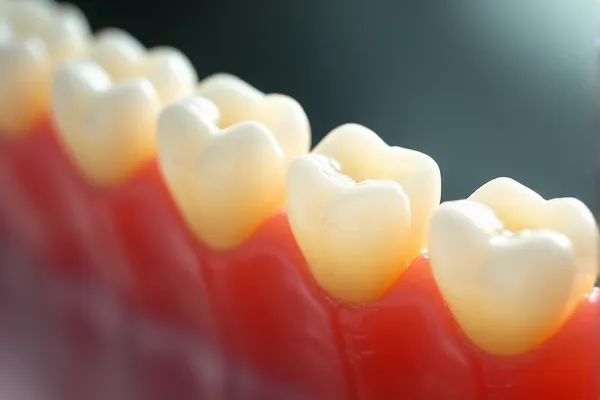
Image
ALT: Zirconia-vs-Porcelain-Crown-Aesthetic-Comparison
Prompt: A realistic image showing side-by-side anterior crowns—one made of high translucent zirconia, one porcelain-fused-to-zirconia, and one layered ceramic—under natural lighting, highlighting differences in texture, translucency, and color integration
Translucency mimics how natural enamel transmits and scatters light, making restorations appear lifelike.
Without sufficient translucency, even the best shade match may look unnatural in dynamic lighting.
High translucent zirconia offers esthetic capabilities close to layered ceramics—without the fragility.
It bridges the gap between strength and esthetics, especially for anterior or bicuspid cases.
| Material Type | Translucency | Surface Detail | Layering Required | Best Used For |
|---|---|---|---|---|
| High Translucent Zirconia | Medium–High | Moderate | Optional | Esthetic crowns, bicuspids |
| Layered Porcelain (PFM or pressed) | High | High | Required | Veneers, anterior multi-units |
| Porcelain-Fused-to-Zirconia | Moderate | Moderate | Required | Bridges needing strength + esthetics |
Each material carries a unique balance—porcelain leads in visual richness, but zirconia wins on durability.
Zirconia continues to close the aesthetic gap with traditional ceramics. Request a side-by-side sample set to compare real-world translucency and shade behavior under clinical lighting.
Material selection in zirconia restorations isn’t one-size-fits-all. Different restoration zones—anterior, posterior, or multi-unit—require different balances between strength and esthetic fidelity. Understanding when to prioritize which property ensures restorations perform well clinically and visually.
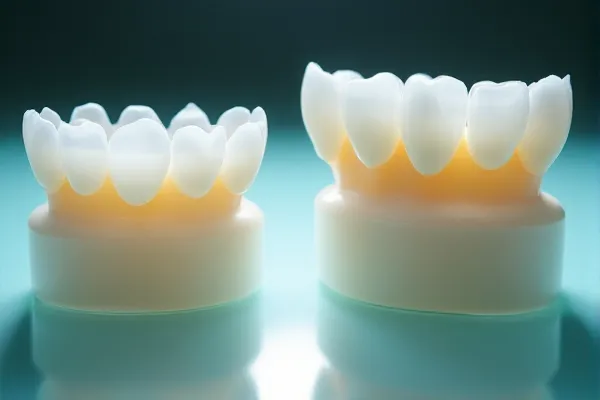
Zirconia-Material-Selection-Anterior-Posterior
Choosing the right zirconia type by zone avoids compromising either strength or esthetics.
Tailoring material to functional stress and visibility is the foundation of successful design.
It depends on case location, patient habits, and esthetic expectations.
The ideal material is the one that minimizes trade-offs for a specific case.
Balance comes from combining design, lab capability, and material type.
Proper planning is the most reliable tool for balancing performance and appearance.
✅ Zirconia material choice should be guided by restoration location and clinical need – TRUE
Choosing based on tooth zone, load, and visibility ensures durability and patient satisfaction.
❌ High translucent zirconia is suitable for all restorations – FALSE
Despite visual appeal, it lacks the strength needed for heavy occlusion and multi-unit posterior work.
Even with the right material, poor design can compromise both the strength and esthetics of zirconia restorations. From occlusal planning to connector thickness and margin integrity, every design decision affects performance and appearance once the case reaches the lab.
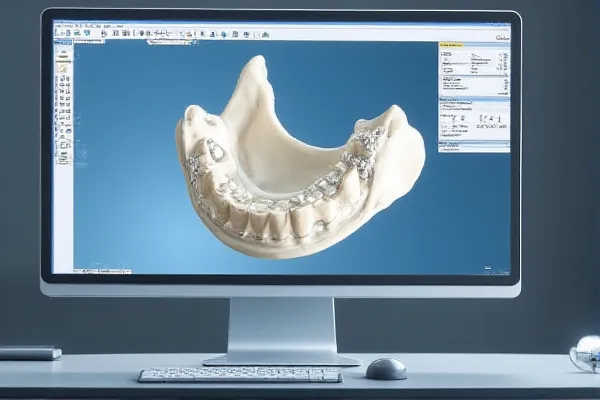
Zirconia-Crown-Design-Strength-Aesthetics
Zirconia’s high strength can fail under poor force distribution.
Without occlusal planning, even strong materials won’t last in high-load zones.
Anatomic design directly influences how natural the final crown appears.
An esthetic crown starts with biologically and visually proportional design.
Margin precision and internal fit are essential to both function and esthetic integration.
Great esthetics aren’t just about color—they start with the margins.
Effective zirconia design is a shared responsibility. Collaborate with our lab team to optimize your digital scans, prep styles, and functional zones for restorations that look and last better.
Balancing strength and esthetics in zirconia crowns and bridges requires thoughtful integration of material science, clinical planning, and laboratory technique. By matching the right zirconia type to the case demands and working closely with experienced labs, clinics can confidently deliver restorations that perform reliably and satisfy esthetic expectations.
Looking to simplify case planning and material selection? Reach out to our zirconia specialists for design consultation based on esthetic zone, functional risk, and preferred timeline.