
Consistent turnaround time is a non-negotiable factor in any dental lab partnership. Yet many clinics and procurement teams struggle to accurately assess a lab’s delivery reliability—especially across different case types and fluctuating volumes.
To evaluate turnaround performance with confidence, decision-makers should examine:
These criteria offer a clearer picture of whether a lab can deliver predictably under pressure.
Because in dentistry, consistency isn’t just a promise—it’s a capability that should be proven.
Turnaround time is not just a logistics issue—it’s a strategic driver that impacts clinical scheduling, patient satisfaction, and operational predictability. Dental procurement teams increasingly evaluate labs not only on quality and cost but on their ability to deliver consistently and on time. A reliable delivery cycle translates into smoother chairside planning, better patient experiences, and fewer administrative disruptions for the clinic team.
dental-lab-turnaround-impact-clinic
Turnaround time directly affects a clinic’s ability to maintain efficient chair scheduling and reduce patient waiting times. When cases are delivered on time, dentists can confidently schedule insert appointments without overbooking buffers or risking cancellations.
Unpredictable delivery times disrupt both clinic flow and patient communication, increasing the risk of escalated costs and reputational damage.
Delivery reliability is a leading metric in vendor performance evaluation because it affects long-term clinic planning and patient throughput.
| Procurement Concern | Why It Matters |
|---|---|
| Case Coordination | Consistent delivery ensures multi-unit or multi-location sync |
| Financial Forecasting | Predictable cycles aid in cash flow and billing management |
| Vendor Accountability | Labs with SLA or delivery history data offer greater transparency |
✅ Timely delivery enables operational stability and builds patient confidence – TRUE
A reliable turnaround schedule helps clinics plan appointments effectively and improves overall patient satisfaction.
❌ Assuming faster is always better – FALSE
Not all fast labs offer reliability. Speed without consistency leads to unpredictable outcomes and higher chair-time waste.
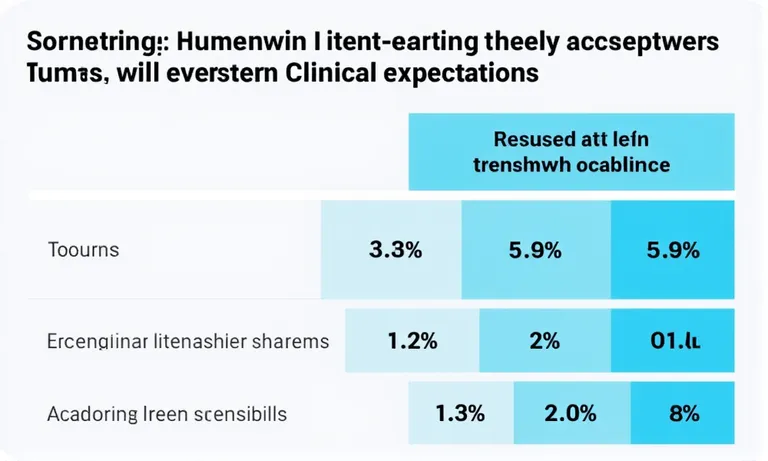
Acceptable turnaround times vary by product type, case complexity, and clinical expectations. In most dental markets, industry benchmarks define what is considered standard versus expedited timelines for restorations like crowns, bridges, and removables. Understanding these reference points helps procurement teams set realistic expectations and evaluate whether a lab can consistently meet clinical scheduling needs.
dental-lab-turnaround-time-by-case-type
Different types of restorations require different fabrication times depending on their technical and clinical requirements.
Labs that specialize in high-volume production often implement case-type-specific lanes to stabilize delivery for each category.
Labs commonly offer standard and rush tiers. Rush requests often shorten turnaround by 1–3 days, depending on lab capacity.
| Case Type | Standard Turnaround | Rush Turnaround |
|---|---|---|
| Single Crown | 4–6 working days | 2–3 working days |
| 3-Unit Bridge | 6–8 working days | 4–5 working days |
| Full Denture | 8–10 working days | 5–7 working days |
Rush cases usually carry premium pricing. Labs may also limit the volume of rush cases per day to maintain quality.
For deeper insights, labs may refer to published surveys such as this dental laboratory turnaround time report which outlines standard expectations across North America.
Yes, multi-location providers often enforce internal SLA agreements to unify expectations across clinics.
Key Turnaround Benchmarks Summary
Having clearly defined turnaround expectations by case type allows procurement teams to evaluate labs based on operational fit and scheduling predictability.
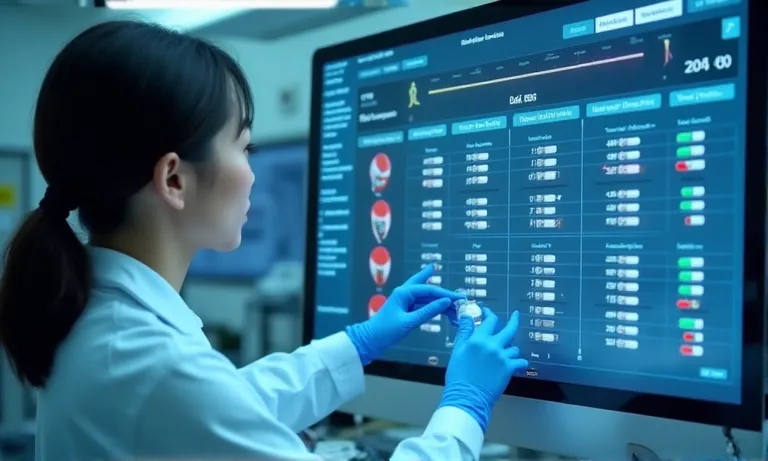
Delivery delays in dental lab work are rarely random—they often stem from identifiable, and sometimes avoidable, factors within the production or communication chain. Understanding these delay sources helps procurement teams better assess a lab’s workflow robustness and its ability to maintain consistent delivery, even under volume pressure.
dental-lab-delay-risk-dashboard
Certain cases require more approvals or verification steps, which can push the production timeline.
Labs that offer real-time approval platforms or digital mockups can reduce back-and-forth, speeding up the process.
Even with streamlined processes, labs are still constrained by capacity planning and technician availability.
A lab’s ability to scale output depends on its scheduling system, technician cross-training, and machine redundancy.
One of the most overlooked delay sources is input error—missing files, unclear instructions, or incompatible formats.
Many labs now adopt case intake checklists and auto-flagging systems to catch missing elements at upload. For example, case submission protocols published by leading industry sources help ensure complete, error-free case intake.
✅ Delays are often caused by preventable factors – TRUE
Many issues originate from unclear instructions, missing files, or late approvals that can be addressed with better intake processes.
❌ Assuming delays are always due to lab errors – FALSE
A significant portion of delays stem from incomplete submissions, unclear requirements, or late responses from the clinic side.
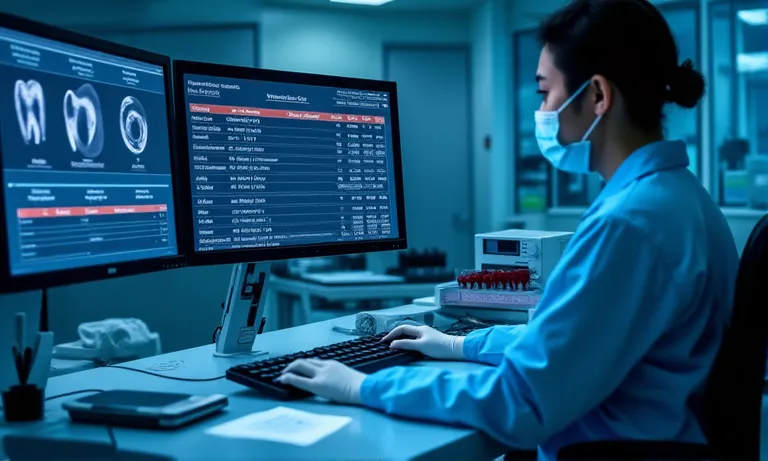
Reliability isn’t just a promise—it must be proven. Labs that consistently deliver on time typically have systemized production tracking, transparent reporting, and clear client-facing communication protocols. These practices help clinics evaluate lab partners not just on claims but on measurable performance.
dental-lab-delivery-tracking-dashboard
Modern labs increasingly adopt digital production dashboards to manage workload, monitor bottlenecks, and offer case visibility.
Transparent dashboards also help procurement teams track service patterns over time.
Well-structured labs maintain delivery logs and can export performance records upon request.
Labs committed to reliability communicate proactively—not reactively.
These mechanisms reduce misalignment, especially in multi-clinic or high-volume workflows.
Key Reliability Indicators Summary
Labs that deliver consistently over time prove it with accessible, structured, and verifiable systems—not just promises.
Before entering a supply relationship, clinics and DSOs should ask pointed questions to understand how a lab manages turnaround time under real-world conditions. Evaluating turnaround claims requires examining systems, contingencies, and communication—not just estimated days.

dental-lab-procurement-turnaround-questions
Reliable labs should not offer vague estimates like “about a week.” Instead, they should provide a documented turnaround range for each case type.
Labs with true production discipline are confident in sharing data, not guesses.
Rush protocols should go beyond “just ask and we’ll try.”
Labs serious about customer experience typically offer rush case portals, fast-track lanes, or premium service packages to ensure expedited cases are handled predictably.
Delivery reliability is stress-tested during seasonal spikes—holidays, Q4, or multi-case launches.
During RFPs, many procurement leaders request stress-simulation cases to test lab flexibility under pressure.
✅ Not all turnaround delays are avoidable—but labs with structured protocols, historical data, and scaling strategies are better equipped to minimize risk – TRUE
Asking the right questions helps filter vendors who rely on hope from those who plan and perform under pressure.
❌ Assuming turnaround speed alone reflects lab quality – FALSE
Fast isn’t always better. Without clear escalation plans or real capacity metrics, speed can become a liability rather than a service advantage.
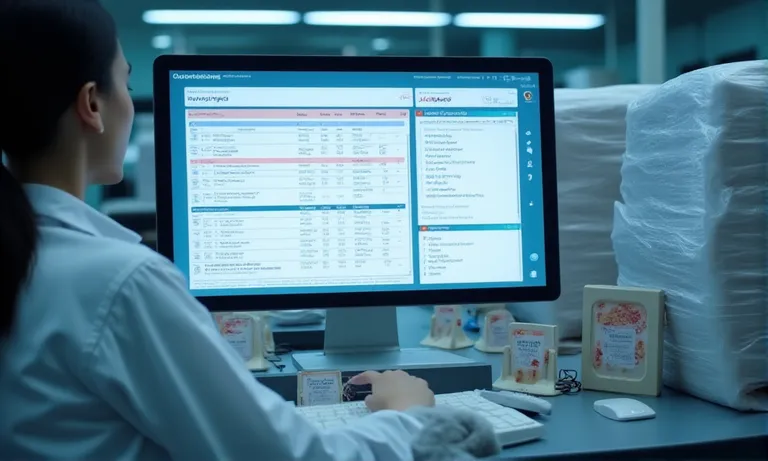
As an overseas dental lab serving clinics and DSOs across North America and Europe, Raytops prioritizes predictability and transparency in every stage of production. Our systems are designed to reduce turnaround variability, even under fluctuating case volumes or urgent requests. While we don’t overstate our promises, we do back our performance with visible, verifiable practices that support reliable clinic planning.
raytops-dental-lab-turnaround-system
We maintain clearly documented production timelines across our full product range. These internal SLAs help ensure consistency, even when case volumes fluctuate.
Turnaround timeframes are aligned with material type and case complexity, not generic estimates.
We offer secure client login access to track case progress by stage. Clinics and group practice managers can see:
This reduces guesswork, back-and-forth communication, and improves scheduling accuracy on the client side.
We support clients with predictable volume surges by:
Clients with volume commitments may access custom SLA terms based on average weekly caseload and priority requirements.
Raytops Turnaround Enablement Summary
We understand that reliability is not about being perfect—it’s about being consistent, transparent, and responsive to what clinics need most: predictability and trust.
Assessing a dental lab’s turnaround capability isn’t just about counting days—it’s about evaluating reliability, scalability, and communication. Procurement teams who ask the right questions, benchmark across case types, and understand what drives delays are far better positioned to secure dependable long-term partnerships.
Labs that invest in transparent tracking, case-type-specific timelines, and structured communication protocols demonstrate that turnaround is not a vague promise but an operational discipline. These qualities are especially critical for DSOs and multi-site clinics where scheduling efficiency and patient satisfaction hinge on predictable delivery cycles.
At Raytops, we understand that consistent delivery is what earns a clinic’s trust over time. While our role is not to dictate clinical schedules, our job is to ensure that every crown, bridge, or denture arrives on time, as expected, without surprises. Because in dental care, every day counts—and so does every case.