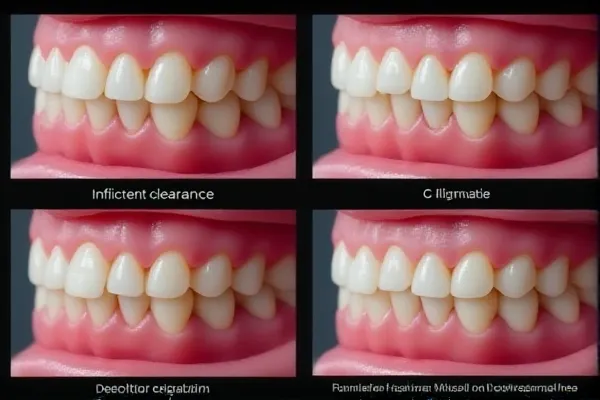
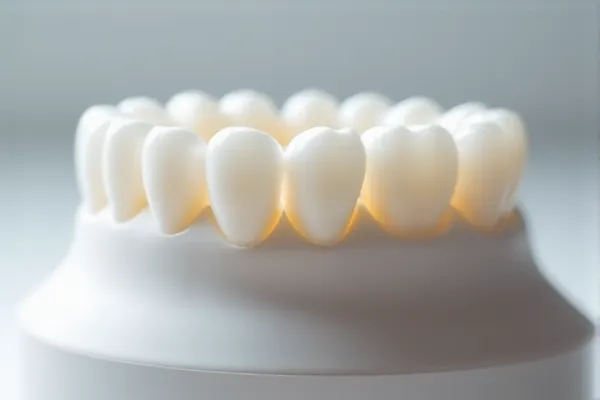
Monolithic zirconia is praised for its unmatched strength, but many still question its long-term durability in real clinical conditions. Without proper design, material selection, and environmental awareness, even this high-strength material can underperform. By understanding the science behind zirconia and aligning lab, clinician, and patient roles, it’s possible to achieve consistently durable, esthetic results.
Monolithic zirconia offers high flexural strength (>1000 MPa), excellent wear resistance, and low fracture risk due to its one-piece structure. With proper design, sintering, and patient management, it consistently delivers durable, long-term results in both posterior and anterior restorations.
What Factors Make Monolithic Zirconia Strong and Durable?
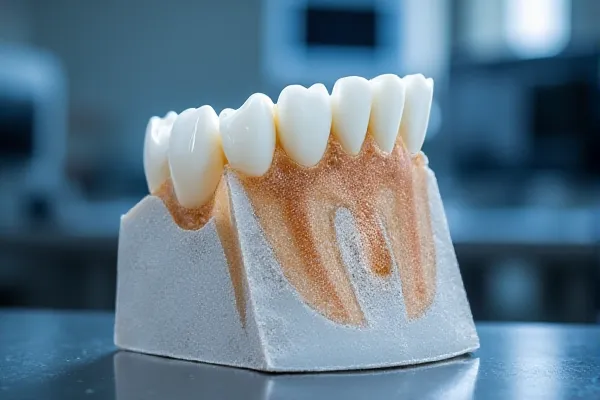
Monolithic zirconia is widely valued for its exceptional strength and longevity in restorative dentistry. Its performance depends not just on the base material, but also on its microstructure, composition, and how it’s processed in the lab.
Monolithic-Zirconia-Strength-Factors
What Material Properties Contribute to the Strength of Monolithic Zirconia?
Strength begins with zirconia’s intrinsic mechanical characteristics.
Tetragonal phase structure resists crack propagation through transformation toughening
High compressive strength (>1000 MPa) supports load-bearing applications like molars and bridges
High fracture toughness allows it to outperform glass ceramics in bruxism cases
These physical properties make monolithic zirconia a reliable choice for long-span and posterior restorations.
How Do Density and Composition Influence the Durability of Monolithic Zirconia?
Density and material composition shape both durability and esthetics.
High-density zirconia minimizes internal porosity, improving resistance to fatigue over time
3Y-TZP (3 mol% yttria) offers maximum strength, ideal for posterior and implant cases
4Y and 5Y versions offer better translucency but lower strength, requiring selective use
Low alumina content supports greater translucency without compromising long-term wear
Choosing the right composition for the clinical zone directly affects performance over time.
How Do Sintering and Manufacturing Processes Affect Zirconia Strength?
Manufacturing quality plays a defining role in realizing zirconia’s full potential.
Controlled sintering cycles ensure uniform grain growth and prevent micro-cracks
Slow cooling rates reduce residual stresses that could compromise durability
Milling precision affects fit and margin adaptation, both crucial to crown longevity
Post-sintering adjustments must be limited and performed with proper tools to prevent weakening
Even the strongest material can underperform if mishandled during production.
In monolithic zirconia, material and process must align. Request our detailed material specification sheet to see the exact grades, sintering protocols, and milling precision used for long-term success.
How Does the Durability of Monolithic Zirconia Compare to Other Dental Materials?
Durability isn’t just about resisting breakage—it includes long-term wear resistance, stability under stress, and performance over years of daily function. Comparing monolithic zirconia with traditional materials like PFM and other ceramics reveals its value in strength and longevity.
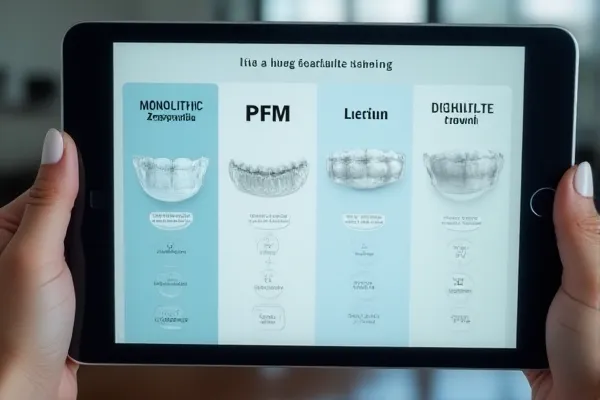
Zirconia-Durability-Material-Comparison
Monolithic Zirconia vs PFM: How Do They Compare in Strength and Longevity?
Feature
Monolithic Zirconia
PFM (Porcelain-Fused-to-Metal)
Flexural Strength
✅ >1000 MPa
✅ 600–800 MPa (core), lower veneer
Chipping Risk
✅ Minimal (no layering)
❌ Moderate–High (veneer chipping)
Esthetic Stability Over Time
✅ High
❌ Prone to metal exposure
Wear Resistance
✅ Excellent
❌ Veneer can abrade or erode
Long-Term Success Rate
✅ >10 years documented
✅ Proven but aging metal risk
Ideal Use Cases
Posterior, bruxers, implants
Mixed esthetic-functional zones
Zirconia’s monolithic form eliminates the weak point of veneered ceramics: chipping. Over time, this structural integrity supports both esthetics and function.
How Resistant Is Monolithic Zirconia to Long-Term Wear and Tear?
Monolithic zirconia offers one of the highest wear resistance profiles among restorative materials.
Low surface abrasion when properly polished—gentle on opposing enamel
Stable microstructure resists hydrothermal aging and fatigue
Highly resistant to chemical degradation, including acids and moisture in the oral environment
Survives high occlusal forces in both natural teeth and implant-based restorations
It holds up under real-world pressure—literally.
What Advantages Does Monolithic Zirconia Offer Over Other Common Materials?
Zirconia isn’t just about strength—its unique combination of properties sets it apart.
One-piece design reduces delamination risk
Digital fabrication ensures reproducibility and precise fit
Cost efficiency due to fewer remakes and lower breakage rates
More versatile across indications—from single crowns to full-arch bridges
Better esthetic options than PFM, with natural light diffusion
For labs and clinics alike, it’s a low-risk, high-value solution.
✅ Monolithic zirconia consistently outperforms PFM in strength and longevity – TRUE Its full-contour structure eliminates chipping risks and maintains esthetic performance over time.
❌ PFM and zirconia offer the same clinical durability – FALSE While PFM has history, zirconia’s superior material science has surpassed it in modern full-contour designs.
How Does Design Influence the Strength of Monolithic Zirconia Restorations?
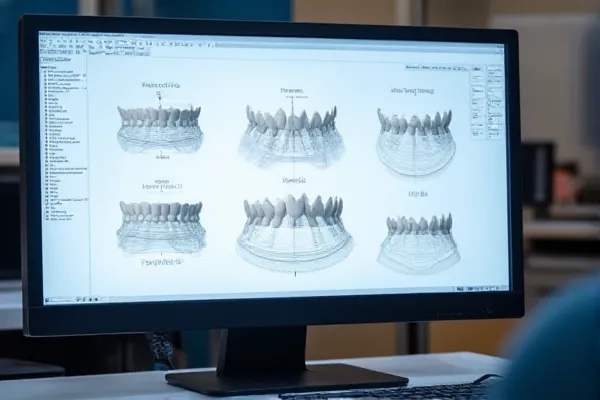
Even with high-performance materials like monolithic zirconia, design directly impacts the restoration’s success. Marginal fit, occlusal contact, and structural support all influence how well the crown or bridge handles stress over time.
Zirconia-Design-Factors-Strength
How Does Restoration Design Impact the Strength of Monolithic Zirconia?
The geometry of the crown or bridge plays a structural role.
Adequate occlusal thickness (at least 1.0 mm) prevents fractures under load
Rounded internal line angles reduce stress concentration points
Proper connector dimensions (minimum 9 mm² for bridges) prevent flexing
Avoid sharp transitions or thin wings, which weaken stress-bearing zones
Design must reflect function—especially in high-load zones like molars.
How Do Bite Force and Occlusion Affect the Durability of Zirconia Restorations?
Zirconia resists force well, but misuse accelerates wear or failure.
Unbalanced occlusion concentrates stress and increases fracture risk
Edge-to-edge bite or deep overbite can overload anterior zirconia
Implant-supported crowns need careful load distribution due to lack of PDL
Parafunctional habits (bruxism, clenching) demand protective thickness and occlusal relief
Proper occlusal adjustment post-cementation is often overlooked—but critical.
Why Is Proper Fit Critical to the Durability of Monolithic Zirconia?
Fit impacts both mechanical longevity and biological health.
Tight margins reduce microleakage and secondary decay
Accurate internal fit lowers cement thickness, reducing stress points
Passive seating avoids internal tension that could lead to fracture
Digital design + CAM milling help achieve repeatable, high-precision fits
Even the best zirconia won’t perform if misfit undermines its strength.
Design is the hidden half of strength. Without proper geometry, occlusal harmony, and precise fit, even the strongest zirconia can underperform in clinical reality.
How Do Environmental Conditions Influence the Longevity of Monolithic Zirconia?
Zirconia is one of the most stable materials used in dentistry—but it’s not immune to external influences. Oral environment, patient habits, and clinical conditions all affect how long monolithic zirconia restorations perform under real-life pressures.
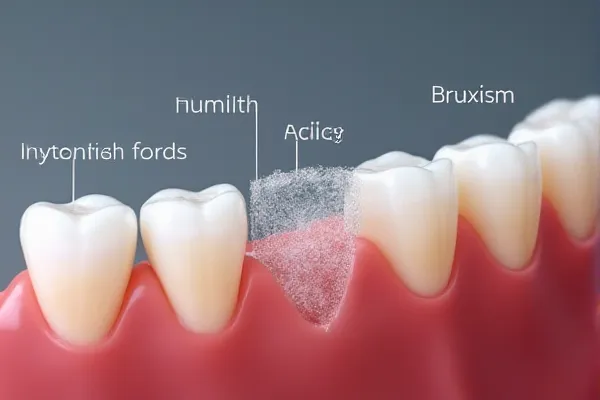
Environmental-Factors-Zirconia-Longevity
What Environmental Conditions Affect Monolithic Zirconia Performance?
Though chemically stable, zirconia still reacts to its surroundings.
High humidity + temperature shifts can accelerate low-temperature degradation (LTD), especially in thinner areas
Acidic environments (due to diet, reflux, or poor hygiene) may weaken cement interfaces
Oral microbiome changes can impact marginal integrity through biofilm accumulation
Thermal cycling from hot/cold beverages stresses the material and bonding layers
These effects are minimal in well-designed restorations—but real over time.
What Impact Does Bruxism Have on the Longevity of Zirconia Restorations?
Bruxism is the single most destructive patient factor for zirconia.
High occlusal loads create microfractures at margins and contact points
Lateral grinding can chip even monolithic zirconia if surface is rough or glaze worn
Chronic stress cycling wears down even dense structures across years
Nightguard compliance is crucial for long-term success in known bruxers
Material strength helps—but habit control is often the bigger factor.
How Does Clinical Environment Influence the Durability of Zirconia Crowns?
Moisture contamination during cementation weakens bond and seating fit
Improper occlusal adjustment post-cementation can cause microcracks
Use of rotary instruments without water cooling during chairside touchups leads to surface phase transformation
Insufficient isolation or premature loading impacts both bond and survival rate
Durability starts in the lab—but it finishes in the mouth.
✅ Environmental and patient factors directly affect the longevity of zirconia crowns – TRUE Even the strongest materials require smart application and patient-specific planning to last.
❌ Zirconia is chemically inert and unaffected by oral environment – FALSE While stable, zirconia still responds to moisture, force, and temperature cycles over time.
What Are the Common Risks and Limitations of Monolithic Zirconia in Restorations?
Despite its strength and versatility, monolithic zirconia has clinical limitations. Recognizing where and how it may underperform helps clinics make smarter decisions and avoid costly remakes or patient dissatisfaction.
Zirconia-Risk-Limitations-Chart
When Might Monolithic Zirconia Be Unsuitable for Restorations?
Some cases demand alternatives or modification.
Extremely limited interocclusal space (<0.7 mm) risks inadequate thickness and fracture
Thin anterior restorations with high translucency demands may lack esthetic depth
Severe deep bite or edge-to-edge occlusion in esthetic zones limits success
Heavy staining demands may push monolithic beyond its natural limits, requiring layering
Knowing when to say “no” to full-contour zirconia protects your outcomes.
What Are the Fracture Risks of Monolithic Zirconia Under Load?
While tough, zirconia still has breaking points.
Under-reduced preps force overly thin designs that compromise integrity
Incorrect connector design in bridges leads to flexion-related fractures
Aggressive occlusal adjustments post-sintering can cause internal microcracks
Lack of polishing or glaze makes surface more susceptible to crack initiation
Designing for strength is as critical as material selection.
How Can Proper Maintenance Reduce the Risks Associated with Zirconia?
Post-placement care directly impacts lifespan.
Nightguard use in bruxers protects the crown from fatigue
Regular follow-ups detect marginal wear or occlusal shifts early
Patient hygiene education ensures crown margins remain clean and plaque-free
The material is strong—but it still needs care.
Success with zirconia isn’t just about picking the right material. Request our case suitability checklist to help your team identify when monolithic zirconia is the right choice—or when another solution might serve better.
How Can Long-Term Durability Be Achieved in Monolithic Zirconia Restorations?
Achieving long-term success with monolithic zirconia goes beyond the initial material choice. It depends on proper clinical protocols, patient compliance, and lab collaboration. When these align, zirconia delivers exceptional longevity in both function and appearance.
Zirconia-Durability-Checklist
What Are the Best Practices for Maintaining Zirconia Restorations?
Follow these steps to ensure monolithic zirconia lasts:
Ensure full seating at delivery using digital fit verification or bite-check sprays
Adjust occlusion with fine-grit burs only, under water spray
Polish, don’t glaze for intraoral adjustments—avoid microfractures
Provide nightguards for bruxism or implant-supported cases
Educate patients on avoiding abrasive toothpaste or hard foods
Recommend regular recalls (every 6–12 months) for early intervention
Proactive care preserves both crown function and surrounding structures.
How Do Regular Check-Ups Help Prevent Zirconia Wear and Failure?
Follow-ups are essential—even with a “low-maintenance” material.
Detect early signs of occlusal trauma before they cause fracture
Monitor marginal integrity and hygiene to prevent secondary caries
Evaluate opposing dentition for wear caused by zirconia hardness
Adjust contacts if migration or supraeruption occurs over time
Early correction prevents costly remakes and ensures patient satisfaction.
Why Does Lab Choice Matter for the Longevity of Zirconia Restorations?
A reliable lab amplifies your clinical outcomes.
High-precision milling ensures ideal fit and stress-free seating
Consistent sintering produces uniform grain size for predictable strength
Material traceability guarantees proper formulation and yttria content
Collaborative communication allows case-by-case adaptation for load, esthetics, and function
Zirconia’s promise is only realized through precision—from lab to chair.
Long-lasting zirconia restorations come from shared effort. A well-executed prep, smart maintenance plan, and trusted lab partner all contribute to clinical durability and patient confidence.
Why Is Monolithic Zirconia Preferred for Durable and Aesthetic Restorations?
Monolithic zirconia has become a go-to material for many restorative cases—not only for its strength, but because it reliably delivers across function, esthetics, and cost-efficiency. Understanding why it’s preferred helps clinics and labs make more confident, outcome-driven choices.
Monolithic-Zirconia-Advantages-Clinical
How Does Monolithic Zirconia Combine Strength, Aesthetics, and Longevity?
This single material addresses multiple clinical demands.
High flexural strength (>1000 MPa) allows use in posterior and bridge cases
Improved translucency (in 4Y and 5Y variants) offers natural esthetics for anterior zones
Low wear rate and aging resistance ensure long-term functional performance
Minimal chipping risk due to full-contour design without veneering layers
Custom shading and polishing give a lifelike finish without sacrificing durability
It’s not just versatile—it’s consistently reliable.
How Cost-Effective Is Monolithic Zirconia Compared to Other Restorative Materials?
When factoring lab efficiency and clinical outcomes, zirconia is often more economical.
Fewer remakes due to high strength and minimal fracture
Digital workflows reduce production steps and chair time
No veneering cuts down labor costs and reduces delamination risk
Lower long-term cost thanks to better survival rates and fewer complications
Predictable results reduce the need for reappointments or corrections
The upfront investment pays off in reduced risk and long-term value.
What Clinical Advantages Make Monolithic Zirconia a Superior Choice?
Its track record extends beyond lab preference—clinicians benefit too.
Consistent margins and fit from digital design and CAM production
No risk of metal visibility, unlike PFM or hybrid crowns
Ideal for implant-supported restorations due to strength and tissue biocompatibility
Scalable use across single crowns, full arches, and hybrid prosthetics
It’s a material that adapts as dentistry evolves.
✅ Monolithic zirconia offers a rare balance of strength, esthetics, and long-term value – TRUE Its versatility and clinical consistency make it the preferred option across many restorative scenarios.
❌ Zirconia is only suitable for posterior function, not anterior esthetics – FALSE With high translucent formulations and custom staining, zirconia now meets most esthetic demands.
Conclusion
Monolithic zirconia combines robust material science with evolving esthetic possibilities, making it one of the most trusted solutions for long-term restorative success. Its performance, however, depends on proper application, careful design, and patient-specific protocols that extend beyond material selection alone.
Need help planning a case with monolithic zirconia? Connect with our technical team to ensure your restorations achieve both strength and esthetic goals.