
Outsourcing full arch implant cases to dental labs streamlines complex workflows by combining external expertise with digital processes. Practices and procurement teams gain access to specialized skills, CAD/CAM design, and 3D printing without the need for in-house investment. The result is a smoother, more efficient case journey that reduces errors, shortens treatment timelines, and improves overall precision.
Key workflow benefits include:
Outsourcing is not just about reducing costs; it transforms workflow efficiency. By partnering with specialized dental labs, practices and procurement leaders achieve greater reliability, faster case handling, and more predictable outcomes—turning workflow optimization into a long-term strategic advantage.
Submitting full arch cases becomes far less complicated when outsourcing to a digital-ready dental lab. The key is that clinics can send standardized files—often in STL or CAD format—through portals designed to minimize errors. This means less back-and-forth, faster validation, and a workflow that feels smoother for both clinicians and labs. In practice, outsourcing replaces fragmented file exchanges with structured, reliable submission systems that reduce stress on chairside staff and procurement managers.
Dental-Lab-Digital-File-Submission
File compatibility is often the first technical hurdle in cross-border outsourcing. A clinic may design a case in 3Shape or Exocad, but if the receiving lab cannot process those files correctly, errors and delays occur. Standardized formats such as STL ensure that margin lines, occlusion data, and implant positions remain intact during transfer. For full arch restorations, losing even minor scan details can mean costly remakes. By outsourcing to labs fluent in these universal file types, practices can protect data integrity and maintain efficiency.
Digital portals act as structured entry points that prevent missing information. Instead of sending files via email or unsecured links, clinicians upload cases into a portal with mandatory fields for patient ID, restoration type, and material selection. This standardization cuts down on miscommunication and ensures technicians have complete instructions before design work begins. Practices that once dealt with frequent clarification calls now enjoy faster confirmations and fewer mistakes, leading to shorter turnaround times.
When both clinic and lab follow the same digital workflow, communication becomes more proactive and less reactive. Standard templates for prescription details reduce ambiguity, while built-in notification systems keep both sides updated on progress. For example, a clinic in Sydney collaborating with an overseas dental lab receives automatic status updates once files are reviewed. Instead of waiting days for email replies, they know exactly when production begins. This clarity improves trust, reduces administrative friction, and allows teams to focus on patient outcomes rather than paperwork.
In many collaborations we’ve observed, even large DSOs found that outsourcing digital case submission eliminated most clerical bottlenecks. As an overseas dental lab partner, Raytops Dental Lab has often supported clients in moving from email-based submissions to structured digital workflows, significantly reducing error rates. For clinics evaluating outsourcing, embracing file compatibility and digital portals is often the first and most impactful workflow upgrade. For additional insights into file management standards, resources such as 3Shape’s support guides provide useful references for clinics and labs alike.
Outsourcing full arch cases reduces delays in both lab production and clinical chairside procedures. By working with specialized teams and digital workflows, practices shorten design-to-delivery timelines while lowering the time patients spend in the chair. The outcome is a faster, more predictable treatment process that benefits both clinicians and patients.
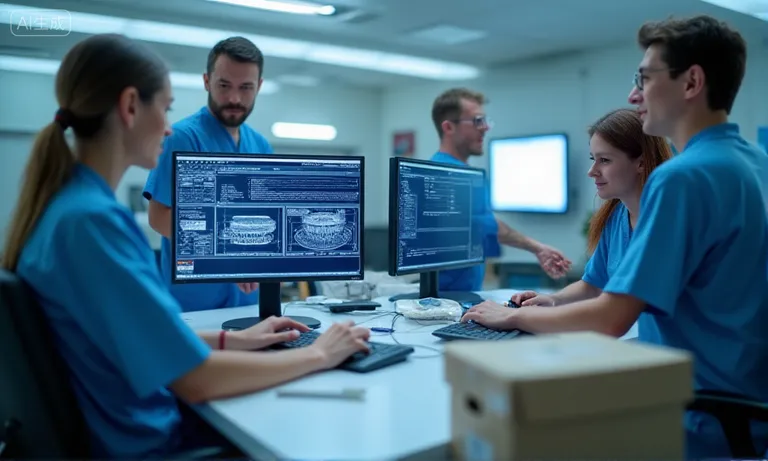
Dental-Lab-Turnaround-Workflow
Dedicated full arch teams are trained to handle advanced implant protocols, which means fewer handoffs and less time wasted on error correction. Instead of general technicians juggling multiple case types, specialized teams focus only on complex restorations. Their expertise allows them to design frameworks, plan occlusion, and finalize esthetics with greater speed. A U.S. clinic working with an overseas dental lab reported that average turnaround times dropped by three days when cases were routed to specialized full arch units instead of general production lines.
Digital systems replace manual impressions and model shipping with near-instant data transfer.
Several DSOs we’ve collaborated with found that outsourcing not only improved delivery punctuality but also made appointment planning more reliable. As an overseas dental lab, Raytops Dental Lab has consistently helped clinics lower chairside adjustments by supplying restorations that align with digital designs from the outset. For further reading on reducing turnaround time with digital dentistry, Dental Economics provides practical insights for practice owners.
When outsourcing full arch cases, workflow efficiency often depends on whether the lab team has specialized expertise. Trained technicians and dedicated implant teams minimize remakes, improve predictability, and build quality assurance into each step. This reduces wasted time and creates a smoother experience for both clinics and patients.
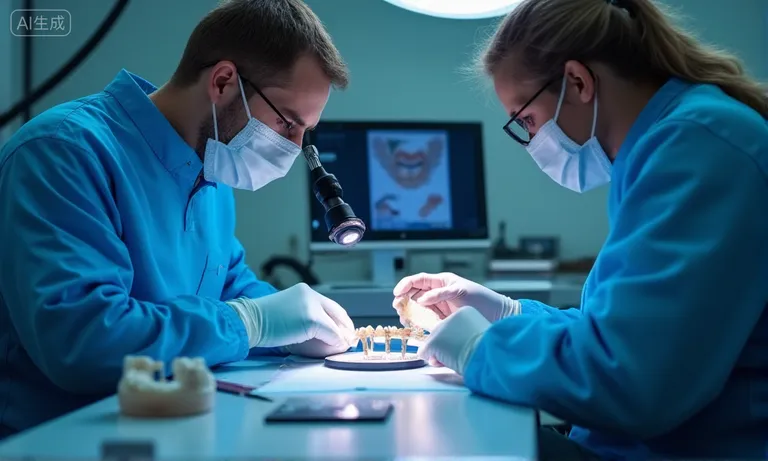
Dental-Lab-Full-Arch-Expertise-QC
Remakes often occur when design margins or implant interfaces are misinterpreted. Experienced technicians trained specifically in full arch restorations can anticipate these errors before production begins. Their skill in margin marking, occlusion planning, and bridge framework design reduces the risk of fit problems. A European clinic that partnered with an overseas dental lab reported remake rates dropping from 8% to below 3% after shifting their cases to technicians with implant specialization. This expertise translates directly into cost savings and smoother case progression.
Specialization creates structured workflows that general labs often cannot match.
| Workflow Step | General Lab Handling | Specialized Full Arch Lab Handling |
|---|---|---|
| Case intake | Varies by technician, risk of inconsistent review | Dedicated implant coordinator validates files before production |
| Design phase | General CAD designer, slower learning curve | Trained implant CAD team ensures precise abutment and occlusion design |
| QC checkpoints | Limited spot checks | Multiple inspection stages with implant-specific criteria |
| Delivery | Higher risk of last-minute adjustments | Predictable fit and fewer chairside corrections |
This side-by-side comparison shows why clinics working with specialized full arch labs experience more consistent delivery outcomes and fewer workflow disruptions.
These QA practices turn potential risks into managed checkpoints, protecting both clinic schedules and patient expectations.
In our collaborations, many procurement managers told us that outsourcing to specialized implant labs gave them greater confidence in planning multi-unit or complex restorations. As an overseas dental lab, Raytops Dental Lab has invested in specialized QC workflows that help clinics reduce remakes and achieve more predictable outcomes. For additional industry comparisons, the Journal of Prosthetic Dentistry provides evidence-based studies on the impact of lab expertise on restoration accuracy.
Outsourcing improves collaboration by replacing fragmented communication with structured workflows and clear feedback loops. When clinical teams and labs align through SOPs, multilingual support, and digital standards, the result is faster case progression and fewer misunderstandings across borders.
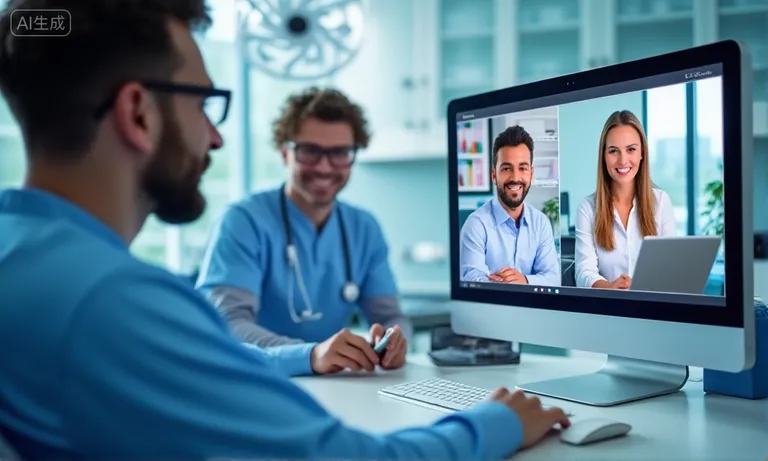
Clinical-Lab-Digital-Collaboration
International outsourcing often raises the concern of language barriers, but labs that invest in multilingual support actually remove friction. A procurement manager in Toronto reported smoother collaboration with an overseas dental lab whose coordinators handled both English and Mandarin communication seamlessly. Multilingual capability eliminates misinterpretations in prescriptions or material requests, while time zone differences become an advantage—labs can process files overnight, and clinics find updates waiting the next morning. This cross-border rhythm turns potential obstacles into productivity gains.
This staged approval process ensures that what the clinic expects is exactly what arrives in the delivery box.
In our partnerships, we’ve seen how structured collaboration improves trust between clinical and lab teams. As an overseas dental lab, Raytops Dental Lab often supports clients with multilingual coordination and SOP-driven processes that shorten feedback cycles. For further guidance on SOPs in dentistry, the ADA guidelines provide practical frameworks for clinical-lab communication.
Outsourced dental labs gain workflow advantages by adopting advanced digital technologies that many clinics cannot maintain in-house. From CAD/CAM milling to 3D printing and cloud-based platforms, these tools deliver precision, transparency, and continuous efficiency improvements.
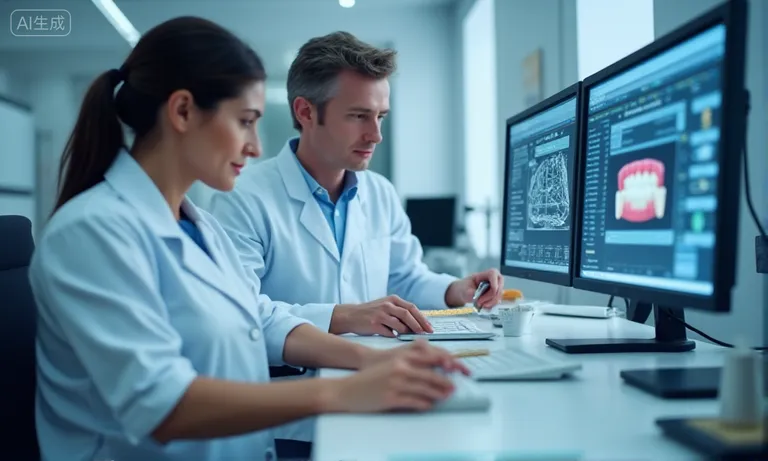
Dental-Lab-CADCAM-3D-Printing
Digital milling and additive manufacturing provide accuracy that manual methods cannot match. CAD/CAM ensures consistent margin fit, while 3D printing allows rapid prototype creation at low cost. For full arch restorations, this means faster iteration on frameworks and higher accuracy on implant interfaces. A clinic in Melbourne outsourcing to a digital-ready lab reported a 25% reduction in adjustment time because CAD/CAM consistently delivered near-final fit restorations. This precision reduces rework, boosts clinician confidence, and accelerates the entire treatment cycle.
| Investment Area | Workflow Impact | Clinic Benefit |
|---|---|---|
| AI-driven design validation | Detects margin/implant errors early | Fewer remakes, predictable delivery |
| Automated milling centers | 24/7 production cycles | Faster turnaround on large volumes |
| Digital QA systems | Real-time quality control checkpoints | Higher accuracy, reduced chairside adjustments |
Labs that reinvest in emerging technologies future-proof their services and keep pace with clinical demand. For clinics, partnering with such labs means access to capabilities without the capital burden of buying equipment themselves.
From experience, many DSOs have told us that outsourcing to digital-first labs not only improved precision but also gave them a clearer view of the entire workflow. As an overseas dental lab, Raytops Dental Lab integrates CAD/CAM, 3D printing, and cloud-based systems to help clients gain both speed and predictability. For further insights into digital transformation in dentistry, Inside Dental Technology frequently publishes case studies and technology reviews.
Outsourcing allows dental practices to expand services and scale case volumes without adding internal staff or costly infrastructure. By leveraging flexible lab capacity and advanced workflows, clinics can manage growth while keeping overhead stable.
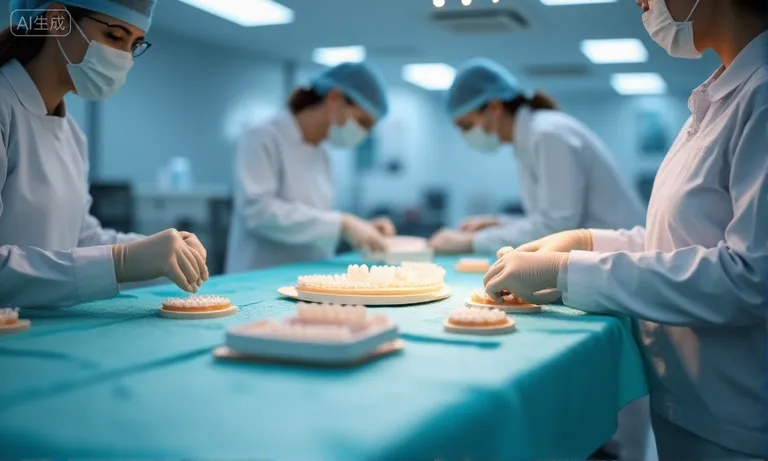
Dental-Lab-Scalability-International-Shipping
Outsourcing provides access to specialized services—such as full arch implant restorations, digital hybrid frameworks, or advanced zirconia work—that may be cost-prohibitive for smaller practices to build internally. By partnering with labs that already invest in technology and training, clinics can extend their service portfolio without large capital investment. For example, a mid-sized U.K. practice began offering full arch zirconia cases by collaborating with an overseas dental lab, reducing per-unit costs by nearly 30% compared to domestic production. This approach makes advanced treatments accessible to more patients while maintaining clinic profitability.
These flexible models help clinics stay agile, ensuring they can serve patients consistently without overcommitting to fixed internal resources.
Many procurement managers value outsourcing as a way to stabilize operations during unpredictable demand cycles. As an overseas dental lab, Raytops Dental Lab supports clinics with scalable production models that adapt to both short-term spikes and long-term growth. For further discussion on scalability in dental practice management, Dentistry Today offers industry perspectives and strategies.
Outsourcing enhances predictability by combining digital workflows with strict quality assurance protocols. These systems reduce remakes, deliver consistency across multiple cases, and ensure that final restorations meet clinical expectations.
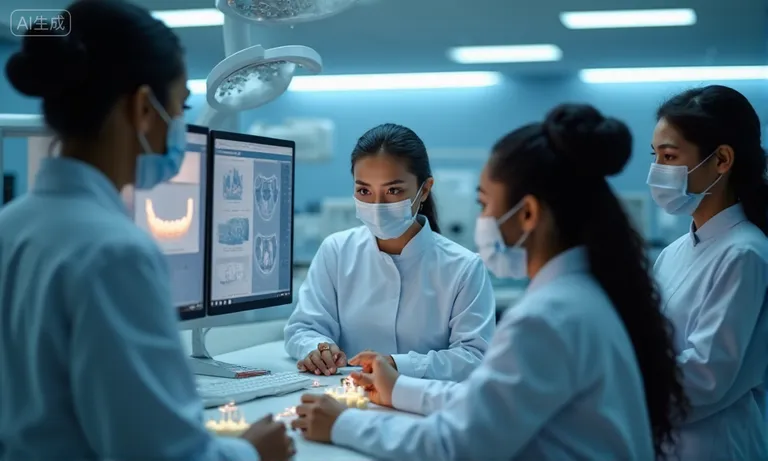
Dental-Lab-QA-Digital-Tracking
Digital workflows allow precise design validation before production begins. By detecting margin gaps, angulation errors, or material mismatches early, labs prevent downstream issues that lead to remakes. For full arch implant cases, even minor errors can create costly delays for both clinics and patients. A practice in Chicago outsourcing to a digital lab saw remake frequency fall by nearly half after switching from conventional impressions to intraoral scans processed through CAD/CAM. The upfront digital verification pays dividends in predictable outcomes.
| QA Step | Impact on Workflow | Clinic Benefit |
|---|---|---|
| Initial file validation | Confirms STL/CAD integrity before design | Prevents errors from propagating |
| Mid-production checks | Inspects framework fit and occlusion alignment | Reduces risk of late adjustments |
| Final inspection | Verifies esthetics, strength, and delivery readiness | Guarantees restorations match expectations |
This structured QA pipeline ensures that errors are caught at the right stage, protecting both clinical schedules and patient trust.
Procurement managers often cite consistency as their top reason for outsourcing. As an overseas dental lab, Raytops Dental Lab applies multi-stage QA and digital tracking systems that give clinics predictable outcomes across high-volume case loads. For further evidence on predictability in prosthodontics, the International Journal of Prosthodontics publishes peer-reviewed studies on restoration accuracy and outcome reliability.
Outsourcing full arch implant cases transforms workflows by combining efficiency, scalability, and predictability. Clinics benefit not only from reduced turnaround times but also from better collaboration, lower rework rates, and access to digital innovations that reshape treatment delivery.
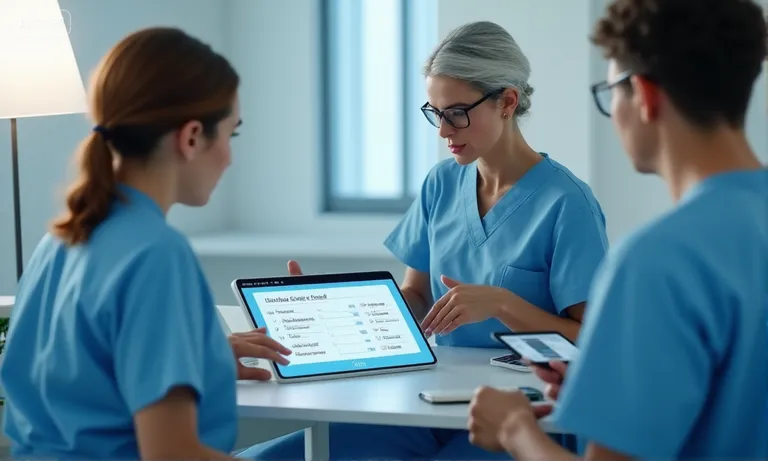
Dental-Lab-Workflow-Benefits-Checklist
Procurement teams should look beyond headline costs and examine measurable workflow metrics. Key indicators include remake rates, average turnaround times, communication cycles, and scalability during peak demand. Comparing these factors across different labs highlights whether outsourcing is delivering real operational gains. A DSO in California, for example, tracked workflow KPIs before and after outsourcing and found a 20% improvement in on-time case delivery, which justified a long-term supply agreement.
This transformation shifts outsourcing from a tactical cost decision into a strategic operational upgrade that enhances clinical reliability and patient satisfaction.
Across global markets, clinics that embrace outsourcing see more than lower prices—they see workflows transformed into predictable, scalable, and digitally enabled systems. As an overseas dental lab, Raytops Dental Lab has supported clients through these transitions, embedding efficiency into every stage of collaboration.
Outsourcing full arch implant cases is no longer just about lowering production costs—it is about transforming workflows into predictable, scalable, and digitally integrated systems. By partnering with an overseas dental lab, clinics gain access to specialized expertise, advanced technology, and flexible capacity that drive measurable improvements in turnaround time, collaboration, and patient outcomes. The most successful partnerships are built on transparency and shared standards, ensuring that every case moves smoothly from design to delivery. For clinics and procurement teams, outsourcing represents a strategic upgrade to long-term efficiency and reliability.