How material choice affects implant restorations is more than a technical detail—it directly shapes the cost, quality, and workflow of every case. For procurement teams and dental lab partners, selecting between zirconia and PFM influences not only esthetics and durability but also long-term investment value and the stability of cross-border collaborations.
Key considerations include:
For buyers, the decision ultimately depends on achieving the right balance: combining cost-effectiveness, quality assurance, and workflow efficiency. By aligning material choice with case indications and partnering with reliable outsourcing labs, procurement teams can secure long-term value and minimize risk—turning material selection into a strategic advantage rather than a cost burden.
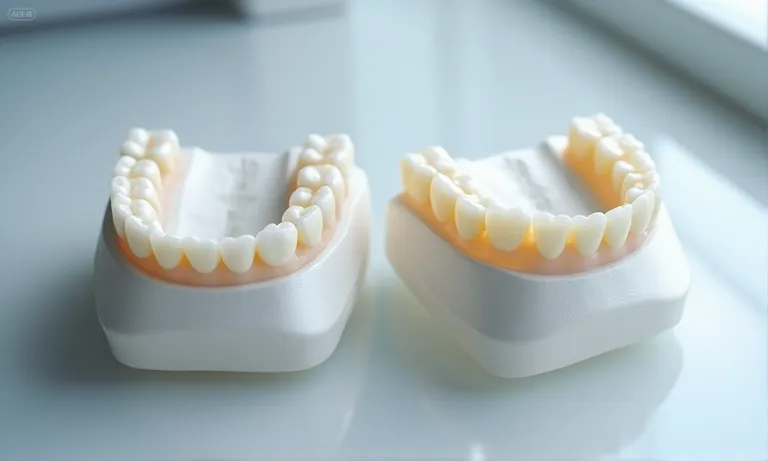
The main differences between zirconia and porcelain-fused-to-metal (PFM) restorations lie in esthetics, strength, and long-term reliability. Zirconia offers lifelike translucency and superior durability, while PFM remains a proven option with metal support but carries esthetic drawbacks such as potential dark gumlines. These distinctions directly affect clinical indications, especially for long-span bridges and full-arch restorations.
Image
ALT: zirconia-vs-pfm-implant-restoration-comparison
Prompt: A highly realistic, ultra-detailed, professional-quality photo captured in a clean, well-lit environment. Materials must be photorealistic, and rendered with DSLR-level clarity. Lighting should be soft daylight or studio white light. Side-by-side display of a zirconia full arch restoration and a PFM bridge on a reflective tray, showing esthetic translucency versus metal-backed structure.
Zirconia restorations provide natural translucency that mimics enamel, making them the preferred choice for anterior or highly visible areas. By contrast, PFM relies on a metal substructure, which can block light and limit esthetic outcomes.
Strength and durability are critical in extended spans. Zirconia has proven high flexural strength, supporting full-arch restorations without significant risk of deformation.
One major drawback of PFM is the potential for dark gumlines over time, particularly if soft tissue recedes. Zirconia, being metal-free, avoids this issue and maintains a more natural esthetic long term.
Zirconia and PFM each have a place in implant dentistry, but their differences matter most in terms of case complexity, esthetic demands, and longevity expectations. For buyers, understanding these trade-offs helps align material choice with patient expectations and operational goals. As an overseas dental lab collaborator, Raytops has supported clinics shifting toward zirconia in full-arch cases to balance esthetics and durability in long-term treatment plans.
Material choice directly impacts both upfront expenses and long-term return on investment (ROI). While zirconia often carries a higher initial price than porcelain-fused-to-metal (PFM), its durability and lower remake rates usually make it more cost-effective over time. Buyers should evaluate not only material costs but also downstream savings tied to efficiency and outsourcing.

implant-restoration-material-cost-roi
Zirconia blocks cost more than PFM components, but ROI must be measured over the restoration’s full service life.
| Factor | Zirconia | PFM |
|---|---|---|
| Upfront Material Cost | Higher per unit | Lower per unit |
| Longevity | 10–15 years typical | 7–10 years typical |
| Risk of Remakes | Lower (3–5%) | Higher (8–12%) |
| Long-Term ROI | Stronger due to fewer replacements | Weaker due to frequent maintenance |
This shows that zirconia’s higher initial investment is offset by fewer failures and better patient satisfaction.
Hidden costs often appear in the form of remakes, chairside adjustments, or lost clinical time. Choosing zirconia can reduce these issues:
Over time, even a modest 5% reduction in remake rates can translate into significant annual savings for multi-location DSOs.
Buyers outsourcing zirconia or PFM cases in bulk gain additional savings through economies of scale. Overseas dental labs negotiate material purchases at volume discounts, passing lower per-unit costs to clients. For procurement teams, this improves budgeting accuracy and allows cost control without sacrificing quality.
For example, one distributor noted that outsourcing 200 zirconia frameworks annually reduced their per-unit cost by 15% compared with in-house production. These savings would not have been possible without leveraging lab-scale procurement.
Material choice is therefore not only a clinical decision but also a financial strategy. Buyers working with global dental lab partners like Raytops often see ROI benefits amplified when material advantages combine with outsourcing efficiencies, making zirconia especially attractive for long-term planning.
Material choice determines the precision of fit, fracture resistance, and compliance with international quality standards. Zirconia and PFM both have established clinical roles, but their differences in performance and quality assurance directly influence long-term outcomes and procurement decisions.
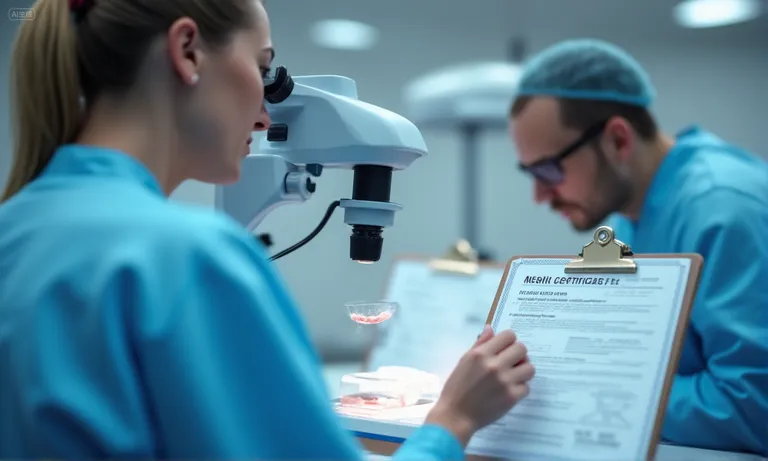
implant-restoration-quality-assurance-comparison
A precise fit is essential to minimize stress on implants and ensure patient comfort.
Both zirconia and PFM carry risks, but their failure modes differ.
Zirconia is strong and resistant to fracture, but under extreme load, catastrophic breakage can occur. PFM, on the other hand, is prone to porcelain veneer chipping at the metal-ceramic junction. For buyers, the key is how labs manage these risks:
Compliance with quality assurance frameworks ensures materials and processes meet international safety and consistency benchmarks.
| Standard | Relevance | Buyer Advantage |
|---|---|---|
| ISO 13485 | Medical device quality management | Ensures systematic production control |
| FDA Clearance | U.S. regulatory compliance | Required for U.S. import and patient safety |
| CE Marking | European market standard | Demonstrates conformity and reliability |
Labs adhering to these standards provide buyers with documented assurance, reducing procurement risks in cross-border outsourcing.
Material choice impacts not only clinical outcomes but also the consistency of supply and support. Buyers partnering with overseas dental labs such as Raytops often emphasize that adherence to international QA standards gave them confidence to scale up orders while minimizing risk.
Material choice shapes how efficiently clinics and dental labs collaborate by influencing digital compatibility, communication processes, and turnaround logistics. Zirconia often integrates more seamlessly into CAD/CAM workflows, while PFM may require additional manual steps, impacting speed and coordination across outsourcing relationships.

implant-restoration-digital-workflow-collaboration
Digital compatibility is a key advantage of zirconia workflows.
This makes zirconia the preferred material for clinics scaling digital operations or outsourcing internationally.
Material choice also determines the type and frequency of communication with outsourcing labs.
Zirconia’s fully digital workflow simplifies coordination: files, design adjustments, and approvals can all be shared electronically. PFM cases, however, may require more back-and-forth on veneer layering, shade matching, and esthetic details. While both can succeed, zirconia reduces communication friction, allowing procurement teams to manage cases at scale more efficiently.
Turnaround speed is shaped by both material properties and logistical workflows.
| Factor | Zirconia Workflow | PFM Workflow |
|---|---|---|
| Production Steps | Fully CAD/CAM, minimal manual input | Manual porcelain layering required |
| Digital Integration | Direct STL file transfer | Partial digital, hybrid workflow |
| Turnaround Time | Faster and more predictable | Longer due to manual steps |
| Cross-Border Logistics | Bulk shipments streamlined | More variable due to case adjustments |
For buyers outsourcing internationally, zirconia’s streamlined process often offsets shipping time, resulting in faster overall delivery compared with traditional PFM workflows.
Material selection thus directly influences workflow efficiency, from digital integration to logistics. Buyers who collaborate with overseas dental labs like Raytops often highlight how zirconia’s compatibility with digital workflows simplified outsourcing coordination and reduced turnaround variability, making long-distance collaboration more reliable.
Buyers evaluating materials for implant restorations should balance cost-effectiveness, quality reliability, and workflow efficiency. The right choice depends not only on upfront prices but also on clinical indications and the ability to sustain long-term outsourcing partnerships.

buyer-decision-material-choice-implant-restorations
Decision making requires weighing multiple factors rather than focusing on price alone:
| Criteria | Zirconia | PFM | Buyer Consideration |
|---|---|---|---|
| Cost | Higher upfront | Lower upfront | Evaluate ROI across lifecycle |
| Quality | High esthetics, fewer remakes | Proven durability, risk of dark line | Match to patient expectations |
| Workflow | Strong CAD/CAM integration | Manual steps required | Impact on turnaround and outsourcing |
Balancing these ensures sustainable procurement strategies.
Material choice should reflect where and how restorations are used:
Matching indications with materials prevents costly remakes and aligns with patient expectations.
Long-term success comes from structured collaboration with labs:
This phased approach reduces risks and builds confidence between buyers and labs.
For buyers, material selection is not an isolated product choice but part of a strategic procurement framework. Clinics and DSOs working with overseas dental labs such as Raytops emphasize that combining the right material strategy with trusted lab collaboration ensures predictable costs, quality consistency, and reliable outcomes.
Material selection in implant restorations has direct implications for cost, quality, and workflow efficiency. Zirconia offers esthetic advantages and long-term durability, while PFM remains a proven option in cost-sensitive or posterior applications. The most effective decisions consider both clinical indications and procurement strategy, ensuring predictable outcomes and sustainable ROI. Buyers who partner with experienced overseas dental labs gain not only access to advanced materials and digital workflows but also a collaborative framework that reduces remakes, improves consistency, and supports long-term scalability. By aligning material choice with the right lab partnership, clinics and DSOs secure both financial and operational advantages in full-arch and implant restorations.