
How Does Material Choice Affect Delivery Time, Quality, and Collaboration with a Dental Lab?
Material selection plays a decisive role in shaping the delivery speed, consistency, and overall working relationship with a dental laboratory. For procurement teams and dental professionals seeking reliable partners, the choice between zirconia, e.max, PFM, or other materials is not only a clinical decision—it also influences production timelines, remake rates, and communication efficiency.
Key considerations include:
By focusing on these factors, decision-makers can ensure that material choices not only meet patient expectations but also strengthen supplier partnerships, reduce operational risks, and enhance long-term value.
The quality and durability of implant restorations are not just technical benchmarks—they are decisive factors in long-term patient satisfaction and procurement cost efficiency. A restoration that performs consistently over time reduces remake frequency, protects patient trust, and safeguards clinic margins. This is why both clinical outcomes and purchasing decisions ultimately hinge on how well materials perform under everyday stress and over years of use.
Dental-lab-implant-restoration-quality-check
Stronger and longer-lasting restorations translate directly into fewer remakes, reduced chairside adjustments, and lower shipping costs for replacements. From a procurement perspective, every avoided remake prevents hidden costs such as patient dissatisfaction, additional appointments, and logistical delays. In global outsourcing partnerships, the balance between material longevity and predictable supply schedules is one of the most reliable ways to secure long-term savings.
High remake rates can erode the trust between clinics and their manufacturing partners. For clinics or DSOs, every remake represents wasted production time, disrupted workflows, and increased operational costs. This makes reliability a procurement-critical factor when evaluating overseas dental lab partners. A lab that demonstrates consistent quality control not only reduces logistical friction but also gives procurement teams confidence that large-volume orders will remain on schedule.
From the clinical side, durability means fewer failures, smoother patient outcomes, and predictable case planning. From the procurement side, it represents fewer remakes, better ROI, and the ability to standardize supplier relationships without costly interruptions. Understanding both perspectives helps procurement managers weigh materials like zirconia and PFM not only on technical grounds but also on broader operational and financial impact.
In practice, we have seen that durability discussions often serve as the bridge between clinicians and procurement teams. Both want predictable results, but for slightly different reasons. Overseas dental labs that understand this dual perspective are best positioned to act as reliable partners in long-term implant workflows.
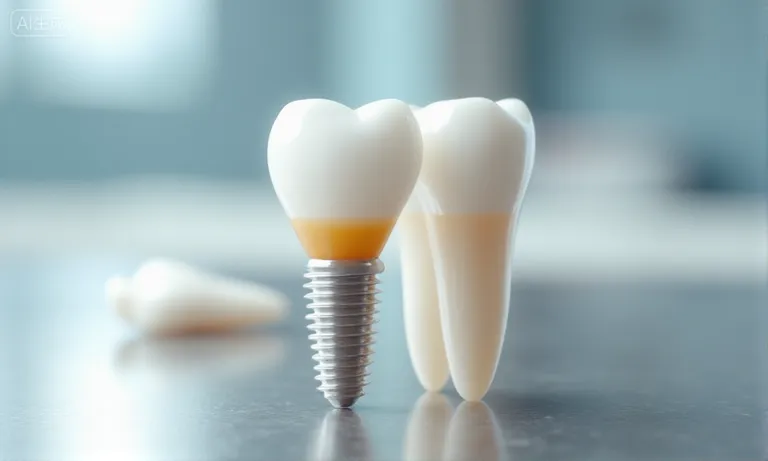
Zirconia is recognized as one of the most reliable materials for implant restorations, offering exceptional fracture resistance, long-term durability, and esthetic stability. Its performance makes it a preferred choice in demanding cases, especially when patients and procurement managers expect predictable outcomes and reduced remake rates.
Zirconia-dental-implant-full-arch-case
Zirconia’s unique crystal structure provides outstanding mechanical strength, making it resistant to cracks and everyday wear. Unlike porcelain, which can chip under high bite forces, zirconia distributes stress evenly across the restoration. This structural toughness is why zirconia restorations maintain function over years of use, even under heavy occlusal load. In procurement terms, fewer fractures mean fewer remakes and lower hidden costs.
For clinics and DSOs, zirconia’s blend of strength, esthetics, and tissue-friendliness makes it a strategic material. In our role as an overseas dental lab, we have supported clients with large-volume zirconia cases, where digital workflows ensured both consistency and esthetic precision across batches. This has proven especially valuable for clinics seeking a balance between predictable quality and procurement efficiency.
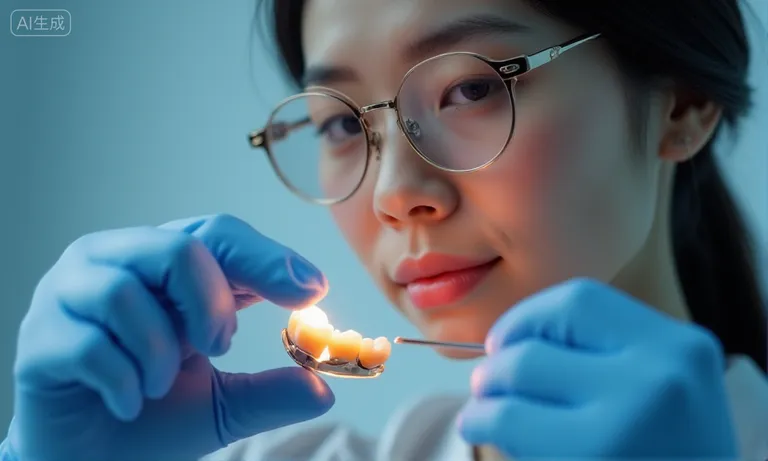
PFM (porcelain-fused-to-metal) restorations remain a widely used option because of their proven strength and long clinical history. The metal substructure ensures solid support, but porcelain chipping and esthetic compromises can create procurement and clinical challenges. For purchasing teams, PFM often represents a balance between cost control and reliability, though long-term risks must be factored into overall decision-making.
Dental-lab-PFM-restoration-metal-check
The metal framework of a PFM offers stability under heavy biting forces and resists catastrophic fractures. This makes PFMs durable in posterior cases where strength is more important than translucency. Many DSOs still consider PFMs a “safe choice” when standardization and predictability matter in procurement.
Porcelain layered over metal can chip at the veneer-to-framework junction. These chips often occur in areas of high stress or when occlusal adjustment removes critical support. In outsourcing, such failures typically lead to remakes that increase costs and delay patient treatment. Labs with strong QA and proper porcelain application techniques are key to minimizing these risks.
| Factor | PFM | Zirconia |
|---|---|---|
| Initial cost | Lower | Higher |
| Esthetic stability | Lower (metal line visible over time) | Higher (no metal margin) |
| Common failure | Porcelain chipping | Rare fracture/wear |
| Maintenance frequency | Higher (repairs, remakes) | Lower (stable over time) |
| ROI over 5 years | Often reduced by hidden remake costs | Typically stronger due to fewer failures |
Clinics choosing PFMs must weigh lower upfront costs against higher maintenance exposure. From our perspective as an overseas dental lab, PFMs remain a practical solution for certain cases, but we have seen that close QA monitoring and clear remake policies are essential. By actively controlling porcelain layering and verifying framework design, we help clinics minimize risk while still benefiting from the affordability of PFM restorations.
Risks in implant restorations are not only technical issues but procurement concerns that directly affect cost, scheduling, and patient trust. Both zirconia and PFM carry material-specific weaknesses, making risk identification and lab-level quality assurance essential for predictable outcomes.

Dental-lab-implant-restoration-risk-QA
Procurement managers weigh these weaknesses not only in clinical terms but also in terms of supply chain reliability. For example, a high remake rate from porcelain chipping affects both delivery schedules and overall ROI. Zirconia’s lower risk profile supports procurement consistency, but requires careful CAD/CAM design to avoid framework fractures. Ultimately, procurement risk management is about balancing cost savings against predictable delivery and reduced remake exposure.
We have observed that clients with the lowest remake rates are those who partner with labs that actively integrate QA into every stage of production. As an overseas dental lab, Raytops Dental Lab incorporates alloy certification, CAD/CAM validation, and layered inspection into routine workflows—helping clinics reduce complications and strengthen trust in their supply chain.
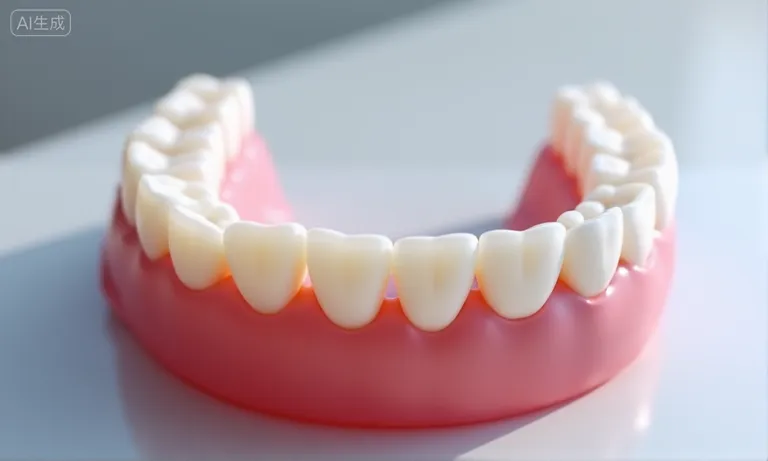
When comparing zirconia and PFM, the most direct differences emerge in predictability, esthetic stability, and long-term maintenance costs. Zirconia provides higher reliability with fewer hidden costs, while PFMs are initially cheaper but can create esthetic compromises and remake risks over time.
Zirconia-vs-PFM-dental-restoration-comparison
Zirconia restorations typically offer greater predictability because of their monolithic structure, which minimizes the risk of veneer chipping. PFMs, while durable due to their metal core, often introduce variability through porcelain layering. For procurement managers, zirconia’s reliability means fewer remakes and smoother supply planning across multiple cases.
| Factor | Zirconia | PFM |
|---|---|---|
| Common failure | Rare fracture under extreme stress | Porcelain chipping |
| Esthetic risk | Low (stable translucency) | Higher (visible metal margins) |
| Typical remake frequency | Low | Higher, especially in anterior cases |
| Hidden costs | Minimal | Increased lab fees, extra appointments, lost chair time |
| ROI over time | Higher due to stability | Lower when remake costs accumulate |
From our vantage point as a global dental lab, we see zirconia outperforming PFMs in terms of consistent quality and esthetic acceptance. However, PFMs remain relevant where budget constraints dominate. By offering both materials, labs like Raytops Dental Lab help procurement teams weigh cost against long-term predictability, ensuring that clinics choose the option best aligned with their patient needs and financial priorities.
Outsourcing to a professional dental lab can significantly improve the reliability of both zirconia and PFM restorations by reducing remake rates, ensuring esthetic accuracy, and streamlining procurement workflows. Expertise, digital integration, and strong QA systems are the pillars that transform raw materials into predictable, high-quality outcomes.

Dental-lab-digital-workflow-QA-process
Experienced labs understand the material-specific weaknesses of both zirconia and PFM. For zirconia, precision in margin design and sintering protocols prevents fractures. For PFMs, correct porcelain layering avoids stress points that lead to chipping. This expertise is often the difference between restorations that need frequent remakes and those that consistently meet clinical and procurement expectations.
For clinics and procurement managers, outsourcing is not only about shifting workload but about gaining structured reliability. At Raytops Dental Lab, we have seen how digital workflows and disciplined QA transform zirconia and PFM from materials with risks into predictable restorations. By combining expertise, technology, and supply-chain scale, an overseas dental lab partner can help clinics secure both cost-effectiveness and long-term trust.
Choosing between zirconia and PFM restorations ultimately comes down to balancing reliability, esthetics, and long-term cost efficiency. Zirconia provides predictable strength and superior esthetics, while PFMs remain cost-effective but require careful QA to manage risks like porcelain chipping. For clinics and procurement managers, the most decisive factor is not only the material but the consistency of the lab behind it. Partnering with an overseas dental lab that integrates expertise, digital workflows, and strict quality control—such as Raytops Dental Lab—ensures that both zirconia and PFM restorations deliver lasting value, reduced remakes, and dependable outcomes.