Zirconia crowns must balance esthetics and strength, yet excessive customization can compromise one to achieve the other. Without thoughtful planning, attempts at visual perfection may lead to structural weakness or costly remakes. By aligning design intent with material properties and lab capabilities, clinics and labs can create restorations that perform beautifully in both appearance and function.
Customization improves zirconia crown esthetics through shade layering, contouring, and surface texturing, while structural adjustments like wall thinning may weaken durability. Effective customization requires balancing visual enhancements with minimum thickness, proper prep design, and material limits to preserve long-term strength.
What Are the Most Common Customization Options for Zirconia Crowns?
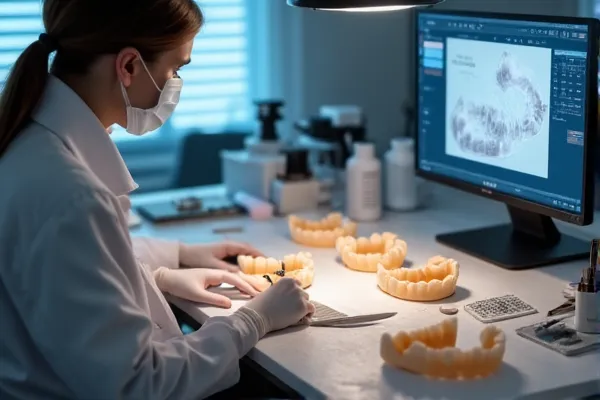
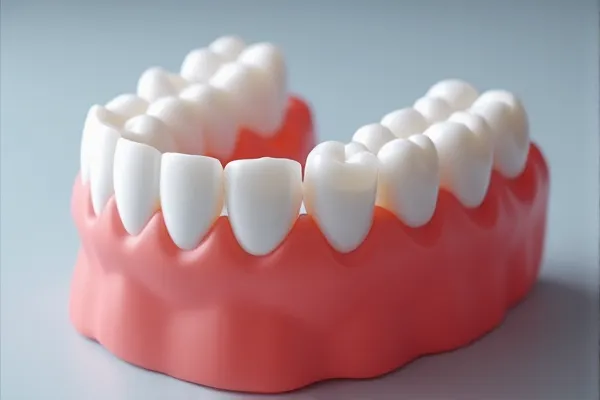
Customization in zirconia crowns plays a critical role in bridging the gap between mechanical precision and natural esthetics. Understanding the most effective customization methods helps clinics communicate detailed expectations and ensures labs deliver results that meet both visual and functional goals.
Dental-Lab-Zirconia-Customization-Options
What Shade and Color Options Improve Visual Integration in Zirconia Crowns?
Zirconia crowns can be customized using layered shading systems and gradient blanks to better blend with surrounding dentition.
Pre-shaded zirconia blocks offer multi-layer color depth for fast, natural transitions
Custom shade stains help match complex cases with irregular tooth tones
Cervical staining improves root-zone blending, especially in anterior units
Dual-shade layering supports matching across adjacent restorations or bridge spans
Shade accuracy is one of the most visible success factors and often defines overall patient satisfaction.
How Do Anatomical and Contour Adjustments Enhance Fit and Esthetics?
Anatomic fidelity and contouring add life-like structure to otherwise uniform CAD designs.
Customized cusp and fissure design improves occlusal balance and chewing feel
Subtle buccal contouring enhances facial symmetry and light play
Gingival line mimicry can reduce visible margin transitions in high-smile lines
Labs with experience in morphologic detailing can elevate standard zirconia to lifelike restorations.
What Staining and Texture Techniques Contribute to Natural Appearance?
Surface characterization brings depth and realism, especially for anterior esthetics.
Micro-texturing tools replicate perikymata and enamel ridges
Layered staining simulates translucency zones, halos, and incisal effects
Matte or high-gloss glaze finishes fine-tune light reflection and mimic enamel
Fluorescent stains subtly enhance vibrancy under varying light conditions
Done well, these techniques reduce the “ceramic look” and enhance integration with natural teeth.
Clinics seeking highly personalized zirconia outcomes can request a customization planning guide to align shade, contour, and surface preferences with lab execution standards.
How Do Aesthetic Customizations Influence the Final Look of Zirconia Crowns?
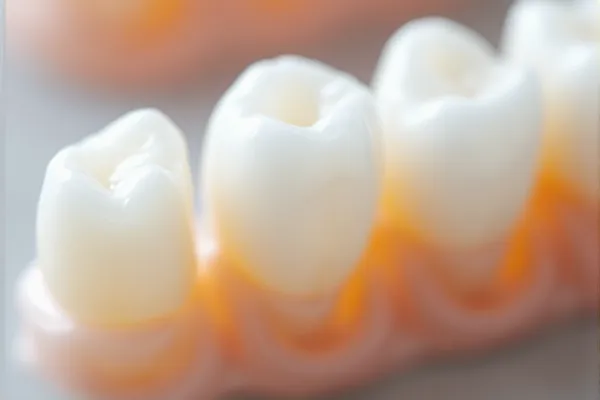
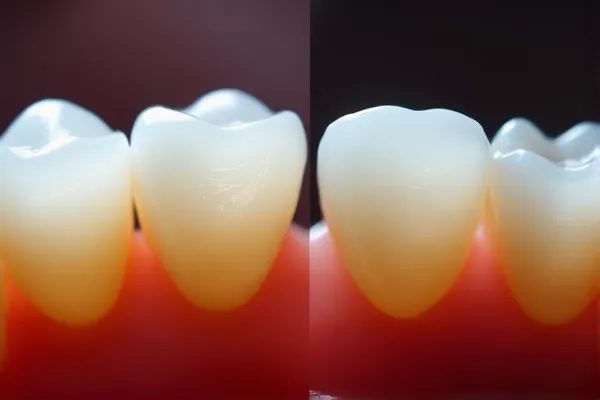
Aesthetic customization transforms zirconia from a technical solution into a lifelike restoration. By manipulating translucency, color harmony, and surface finish, labs can tailor each crown to mimic natural dentition with remarkable accuracy.
Zirconia-Crown-Aesthetic-Customization-Closeup
What Factors Help Achieve Translucency and Light Reflection in Zirconia Crowns?
Achieving natural translucency in zirconia involves careful control of material properties and surface processing.
Zirconia composition: Materials with yttria-stabilized formulas offer higher light transmission
Crown thickness: Thinner incisal edges increase translucency in natural light
Dual-layer blending is especially useful in bridgework to manage shade across units
Effective blending techniques avoid the artificial “block” effect and create continuity across the arch.
What Impact Does Surface Finish Have on Zirconia Esthetics?
Surface texture affects both how a crown looks and how it behaves in function.
High-gloss glaze enhances brightness and smoothness but may reflect more light than natural enamel
Matte or micro-textured finishes diffuse light for a softer, more organic look
Selective texturing (on facial zones) allows labs to simulate natural wear patterns
Fluorescence under different lighting gives crowns a more tooth-like response in daylight and operatory settings
Choosing the right finish can mean the difference between “close match” and “undetectable.”
Aesthetic success with zirconia lies in mastering subtle variables that shape how the restoration reflects, absorbs, and blends with its surroundings.
How Do Custom Design Choices Affect the Strength of Zirconia Crowns?
Design decisions aimed at improving esthetics can unintentionally compromise the structural integrity of zirconia crowns. Balancing visual appeal with functional durability requires understanding how thickness, reduction, and preparation design affect long-term performance.
Zirconia-Crown-Occlusal-Thickness-Cross-Section
Why Does Occlusal Thickness Matter for Zirconia Crown Strength?
Adequate occlusal thickness is critical to avoid fractures under load.
Minimum thickness for posterior monolithic zirconia is typically 0.8–1.0 mm
Thin areas (<0.7 mm) significantly increase fracture risk under heavy occlusion
Uneven thickness causes internal stress points during mastication
Excessive bulk in low-load areas can reduce fit accuracy without increasing strength
Maintaining consistent thickness according to zone-specific stress is key to long-term performance.
What Are the Risks of Over-Reducing Zirconia Crowns for Esthetics?
Aggressively reducing zirconia to improve esthetics can weaken the structure.
Thin incisal edges may chip during try-in or early use
Over-reduced cervical areas risk margin cracks, especially in thin-shoulder preps
Minimal internal support leads to crown flex and possible cementation failure
When esthetic adjustments remove too much material, the crown becomes more fragile despite visual gains.
How to Choose Proper Preparation Design for Load-Bearing Zones?
Prep design should reflect the forces each crown will endure.
Posterior crowns: Require broad occlusal contact zones and shoulder or chamfer margins
Anterior esthetic units: Can accommodate thinner walls but need incisal support
Functional cusp bevels help distribute force and reduce point load
Avoid sharp internal angles, which concentrate stress during mastication and sintering
A prep matched to functional demands reduces the need for risky adjustments post-milling.
✅ Occlusal thickness directly affects crown strength – TRUE Adequate bulk in load-bearing zones ensures the crown can absorb and distribute occlusal forces safely.
❌ Thinner zirconia always looks more esthetic – FALSE While thinner contours may increase translucency, over-reduction compromises both strength and fit, especially in high-load areas.
How Does the Zirconia Type Influence Customization Outcomes?
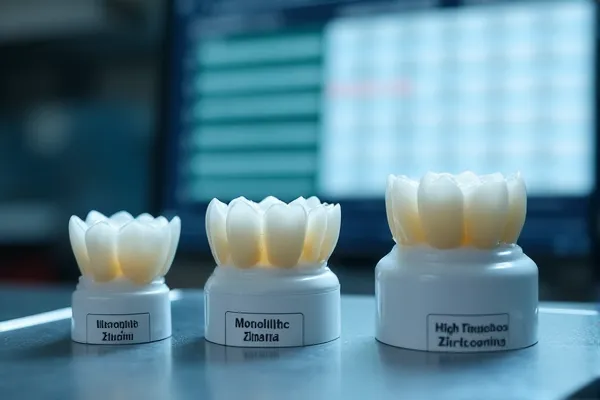
Not all zirconia is created equal. The type of zirconia selected—monolithic or high-translucent—directly impacts both the esthetic potential and the mechanical reliability of the final crown. Understanding these differences is essential for making the right choice in both design and indication.
Zirconia-Types-Comparison-Dental-Lab
What Are the Key Differences Between Monolithic and Translucent Zirconia?
Monolithic and translucent zirconia differ in composition, strength, and optical behavior.
Monolithic zirconia: High-strength, low-translucency, ideal for posterior zones
Translucent zirconia: Lower flexural strength, higher translucency for esthetic zones
Grain size and yttria content affect how each type performs under load and light
Wear behavior differs—monolithic tends to be harder on opposing dentition
Choosing between these types depends on whether the case prioritizes strength, esthetics, or a balance of both.
What Trade-Offs Exist Between Strength and Esthetics in Zirconia Materials?
Zirconia Type
Strength (MPa)
Translucency
Best For
Limitations
Monolithic Zirconia
1000–1200
Low–Medium
Posterior load, bruxers
Lower esthetic value
High Translucent Zirconia
600–800
High
Anterior esthetic restorations
Not ideal for high occlusal stress
Multi-Layered Blanks
700–1000
Gradient
Balanced zones
May require careful prep planning
Clinicians and labs must weigh material properties against the functional and visual demands of each case.
When Should Strength-Focused or Esthetic Zirconia Be Used?
Case indications drive zirconia type selection more than lab preference.
Use strength-priority zirconia for molars, bruxers, or implant-supported restorations
Select esthetic variants for visible anterior restorations, veneers, or high-smile-line cases
Gradient zirconia can be a hybrid solution for cases needing both strength and visual integration
Case photos and opposing dentition evaluation help labs suggest the best match
Choosing the right material upfront reduces adjustments, remakes, and long-term complications.
Want clarity on which zirconia type best suits your case needs? Request a sample comparison set to evaluate translucency, layering, and strength under clinical lighting.
What Role Does Technology Play in Customizing Zirconia Crowns?
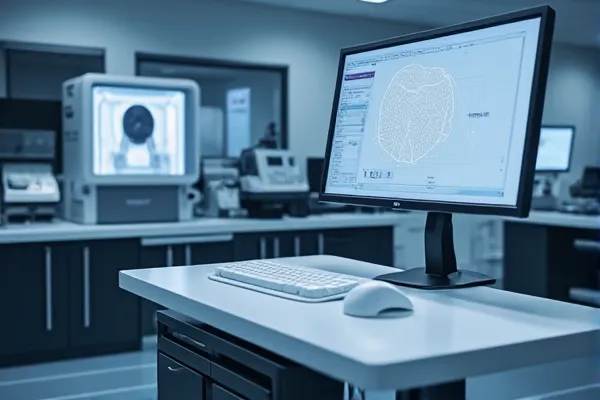
Advanced technology plays a foundational role in modern zirconia crown customization. From precision milling to shade mapping and optimized sintering, each digital step enhances the balance between esthetics, fit, and strength.
Dental-CADCAM-Zirconia-Customization
How Does CAD/CAM Technology Improve Fit and Precision in Zirconia Crowns?
CAD/CAM systems enable high accuracy and repeatability, essential for precise customization.
Margin clarity ensures tight adaptation and minimal adjustment
Consistent internal fit reduces seating pressure and cement space issues
Digital contouring allows customized occlusion, contact points, and emergence profiles
Reproducibility of successful designs across similar cases or for contralateral matching
Digital design eliminates many of the subjective variables found in hand-fabrication processes.
How Does Digital Shade Mapping Improve Aesthetic Consistency?
Shade mapping tools help translate clinical photography into lab-executable data.
2D or 3D shade mapping creates region-specific color overlays
Cross-light imaging captures depth and translucency that visual guides miss
Software-assisted color conversion improves lab consistency across multiple cases
Multi-unit esthetics benefit from digital matching, especially across arches
These tools are particularly useful for anterior esthetics, reducing trial-and-error adjustments.
What Milling and Sintering Factors Influence Zirconia Strength and Aesthetics?
Even the best design can be compromised if milling or sintering isn’t optimized.
Bur size and toolpath influence internal fit and surface quality
Dry vs. wet milling affects edge integrity and tool wear
Sintering temperature and ramp cycles control translucency and final strength
Batch consistency matters—grouping similar units ensures uniform results
Controlled, calibrated processes reduce remakes and maximize esthetic predictability.
Digital workflows don’t just improve speed—they elevate the final crown by ensuring each esthetic and structural detail is intentional, measurable, and repeatable.
What Are the Risks of Poorly Executed Customization in Zirconia Crowns?
Customization done without proper technique or planning can compromise both the esthetic and functional success of zirconia crowns. Marginal errors, shade mismatches, or design flaws often lead to costly remakes, chairside adjustments, or patient dissatisfaction.
Zirconia-Crown-Customization-Error-Examples
What Happens When Marginal Integrity or Strength Is Compromised?
Margin quality is non-negotiable in zirconia restorations.
Open or overextended margins cause cement washout and long-term failure
Undersized crowns may seat tightly but stress internal fit, increasing fracture risk
Over-polished margins can lose definition, creating micro-gaps
Incorrect path of insertion from poor design leads to forced seating and chipping
Even minor deviations can create clinical consequences, especially under occlusal load.
Why Is Consistent Shade Matching Critical for Multi-Unit Cases?
Multi-unit cases amplify any shade inconsistency.
Each unit fabricated individually increases the risk of slight mismatches
Light variation (operatory vs. natural) exposes color discrepancies quickly
Central vs. lateral visibility makes shade imbalance more noticeable
Poor documentation or inconsistent photos result in avoidable errors
In esthetic zones, even a 5–10% mismatch can be visually jarring.
How Do Design Errors Lead to Remakes and Adjustments in Zirconia Crowns?
Flawed designs often cause costly and time-consuming remakes.
Improper occlusal clearance results in high contacts or grinding during seating
Overly thin design causes fracture during shipping or try-in
Wrong contouring may require chairside adjustment that removes glaze and alters esthetics
Mismatched contacts lead to seating issues or adjacent tooth trauma
Clear initial planning avoids surprises at delivery or seating.
✅ Poor customization increases clinical risk and likelihood of remakes – TRUE Inaccurate margins, inconsistent shade, or flawed design features directly affect fit, longevity, and patient satisfaction.
❌ Chairside adjustments can fix most lab design issues – FALSE While minor polishing or contact tuning is manageable, structural or esthetic errors often require full remakes.
How to Balance Function and Aesthetics in Zirconia Crown Customization?
Zirconia customization requires balancing functional durability with esthetic expectations. Achieving this balance depends on understanding clinical zones, aligning with lab capabilities, and adapting material choices to what patients value most.
Zirconia-Crown-Function-Aesthetic-Balance
How Do Clinical Zones Influence Customization Priorities in Zirconia Restorations?
Each region of the mouth carries distinct esthetic and mechanical demands.
Posterior zones prioritize strength, occlusal stability, and wear resistance
Anterior zones require translucency, shade accuracy, and surface texture
Premolars often fall in the “hybrid” category where both are important
Gingival visibility and smile line also guide how much customization is needed
Zone-based planning improves predictability and reduces compromise.
How Can Clinics and Labs Collaborate for Balanced Zirconia Design?
Mutual understanding between clinic and lab is essential for consistent outcomes.
Shared case photos and shade maps provide visual context for lab teams
Clarity on priorities—is strength or esthetics non-negotiable?—reduces assumption-based decisions
Material-specific prep guides avoid miscommunication about design expectations
Mid-case feedback loops allow adjustment before finalization when needed
Effective collaboration often comes down to aligned expectations and timely communication.
How Should Material and Technique Choices Reflect Patient Expectations?
What the patient cares about should shape both design and lab strategy.
Time-sensitive cases may require pre-shaded zirconia or digital-only workflows
Esthetic-driven patients may accept slightly longer timelines for enhanced customization
Functional restorations (like for bruxers) may forgo detailed staining for added thickness
Patients with prior cosmetic treatment typically have higher esthetic thresholds
A simple patient conversation can often reveal the right trade-offs.
When function and esthetics are both critical, communication is the real differentiator. Let us help you plan balanced cases that reflect clinical needs, lab capabilities, and patient expectations from the start.
Conclusion
Customization is what transforms zirconia crowns from uniform restorations into personalized solutions—but only when guided by a clear understanding of clinical priorities, material behavior, and technical execution. Working closely with skilled labs enables dental teams to deliver crowns that meet esthetic expectations without sacrificing performance.
Need help selecting the right design or zirconia type for your case? Connect with our technical team to align customization options with your clinical goals.