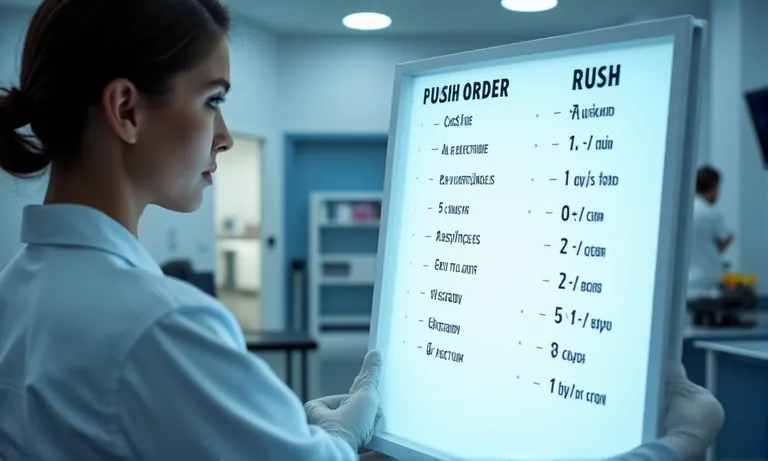
Rush orders in crown & bridge workflows often arise from clinical urgency—but without clear coordination, they can turn into miscommunication and missed deadlines.
When labs lack defined rush handling systems or clients submit incomplete files, speed becomes risk rather than relief.
At Raytops Dental Lab, we help clinics manage time-sensitive cases with structured rush handling systems, priority workflows, and transparent escalation protocols to deliver faster—without cutting corners.
Dental labs handle rush orders through:
Rush orders in crown & bridge workflows often arise from clinical urgency—but without clear coordination, they can turn into miscommunication and missed deadlines.
When labs lack defined rush handling systems or clients submit incomplete files, speed becomes risk rather than relief.
At Raytops Dental Lab, we help clinics manage time-sensitive cases with structured rush eligibility, priority workflows, and transparent escalation protocols to deliver faster—without cutting corners.
Dental-Lab-Rush-Order-Timeline-Chart
Rush cases compress production cycles—but only for suitable restorations. Labs usually define rush eligibility by turnaround savings without compromising quality.
Rush requests usually relate to time-sensitive clinical needs. Labs accommodate them better when the clinical rationale is clear and realistic.
Labs review several conditions before confirming a rush case. Not all restorations or submissions qualify.
✅ Simple single-unit digital crowns are often eligible for rush – TRUE
With clean STL files and standard parameters, most labs can turn around such cases within 2–3 working days.
❌ Any restoration can be made urgent if the doctor requests it – FALSE
Not all restorations are technically or logistically suitable for expedited workflows—especially layered or implant cases.
Rush handling must be precise, not chaotic. Labs that manage rush orders effectively typically rely on structured internal systems—dedicated teams, digital flagging, and case-type restrictions—to accelerate output without compromising fit, function, or esthetics.
Image
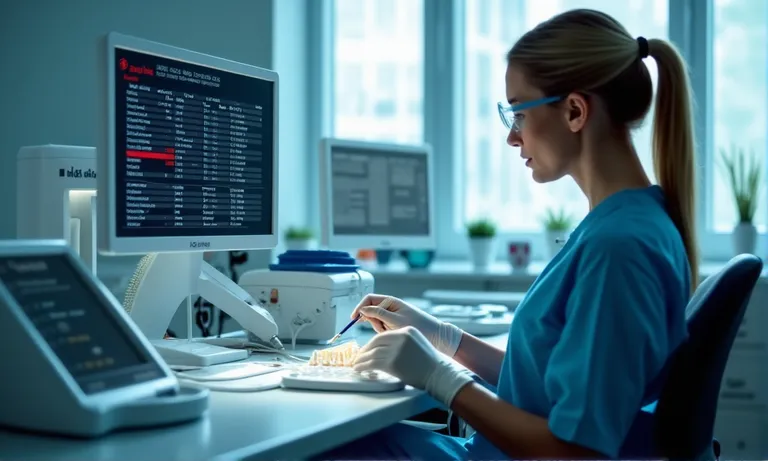
ALT: Dental-Lab-Rush-Case-Management-System
Prompt:
A highly realistic, ultra-detailed, professional-quality image captured in a clean, well-lit dental lab. Lighting should be soft, diffused natural daylight with neutral white color temperature, avoiding cool or clinical blue tones. close-up at sunlight.
A technician works in a separate “rush case” workstation, with a labeled tray, digital screen showing flagged urgent cases, and a visible rush production calendar on the wall.
To prevent disruption of standard workflows, rush orders are often handled through a parallel pathway.
Digital lab management systems (LMS) help organize and track rush orders from intake to delivery.
Rush capacity is not universal—certain technical steps cannot be compressed without quality loss.
Well-managed labs don’t just “work faster”—they reroute resources with intention. If you rely on short lead times regularly, request our rush case SOP to see how we handle urgency with consistency.
Even the fastest lab turnaround can be disrupted by poor shipping choices or unforeseen transit issues. To deliver time-sensitive cases reliably, both lab and clinic must align on logistics methods, time windows, and risk mitigation strategies.

Dental-Case-Shipping-Risks-Planning
Not all express services offer the same guarantees, and daily cutoff times matter.
Cross-border rush orders are more complex due to time zone lags and border regulations.
Even with careful planning, disruption may occur. Smart labs build in backup measures.
✅ Shipping method, time zone, and customs can affect delivery by several days – TRUE
Even with same-day dispatch, poorly planned shipping can cause 2–3 day delays that compromise patient schedules.
❌ All express services guarantee next-day delivery internationally – FALSE
No courier guarantees global next-day delivery across customs zones, especially during high-volume periods.
A successful rush order depends not only on lab-side readiness, but also on the clarity and completeness of what the client provides. Well-prepared cases move faster with less risk of delay, especially when expectations and submission formats are aligned upfront.

Dental-Rush-Case-Client-Checklist
File clarity is step one. If the urgency isn’t immediately visible, the case may be processed as routine.
CLN1234_RUSH.stl)Partial uploads delay processing. All case components should arrive together, error-free.
Before rushing to upload, confirm whether the case qualifies and the lab has the slot to take it.
Clients who communicate clearly and prepare cases thoroughly help rush orders succeed without friction. A well-organized submission can save days, not just hours.
When a rush case goes wrong, recovery speed matters as much as the original production. A reliable lab should have dedicated systems to remake priority cases, communicate delays early, and offer clear escalation paths for time-sensitive issues.
Image
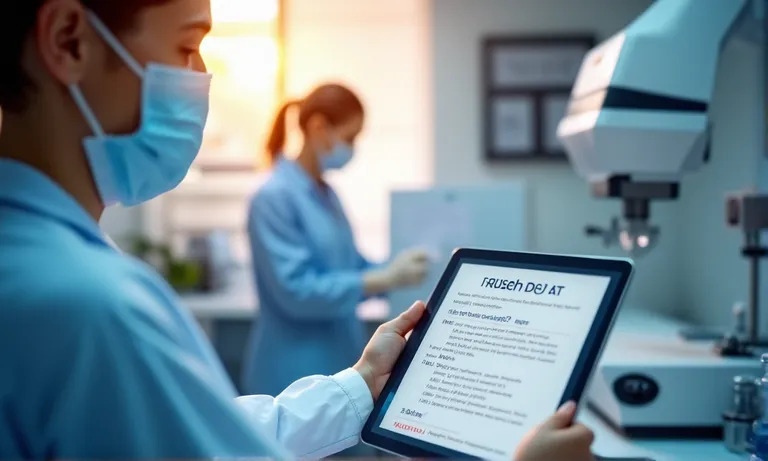
ALT: Dental-Rush-Case-Remake-Workflow
Prompt:
A highly realistic, ultra-detailed, professional-quality image captured in a clean, well-lit dental lab. Lighting should be soft, diffused natural daylight with neutral white color temperature, avoiding cool or clinical blue tones. close-up at sunlight.
A lab manager reviews a flagged remake request labeled “RUSH”, with a technician in the background adjusting settings on a digital milling machine. A priority case escalation board with response times is visible nearby.
In urgent workflows, remakes cannot wait in the standard queue. Labs typically triage these cases separately.
Proactive notice can give clinics a chance to reschedule or adjust. Silence is more damaging than delay.
Escalation should not be guesswork. Labs with defined points of contact offer smoother resolution.
When something goes wrong with a rush order, the best labs don’t just react—they recover with structure. If your practice handles time-sensitive cases regularly, request our escalation protocol to see how we manage urgent disruptions from remake to resolution.
Handling rush orders requires more than working faster—it demands well-defined systems, mutual coordination, and readiness for exceptions. At Raytops Dental Lab, we support clinics managing tight timelines with controlled priority scheduling, dependable logistics, and fast-response channels that turn urgency into reliability.
If your clinic frequently manages urgent cases, connect with Raytops Dental Lab to explore our rush order protocol and escalation workflow.