3D printing is reshaping implant dentistry by enabling faster production, higher accuracy, and greater design flexibility. For procurement teams and dental professionals, digital manufacturing offers a clear path toward shorter turnaround times, consistent quality, and scalable customization that supports both clinical and operational goals.
The core benefits are clear: in-house 3D printing reduces delivery from weeks to days or hours, while digital precision ensures a closer fit, fewer remakes, and more reliable case outcomes. Customization through patient-specific implants, surgical guides, and anatomical models enhances esthetics and long-term function, giving clinics a tangible advantage in treatment planning.
Beyond technology, procurement value lies in collaboration and ROI. CAD/CAM integration and real-time digital workflows improve lab communication, reduce errors, and minimize waste. Faster delivery cycles and lower labor costs drive cost-effectiveness, while supplier evaluation should focus on turnaround metrics, remake rates, and quality assurance standards. By weighing these factors, decision-makers can strengthen lab partnerships, reduce operational risk, and secure long-term value.
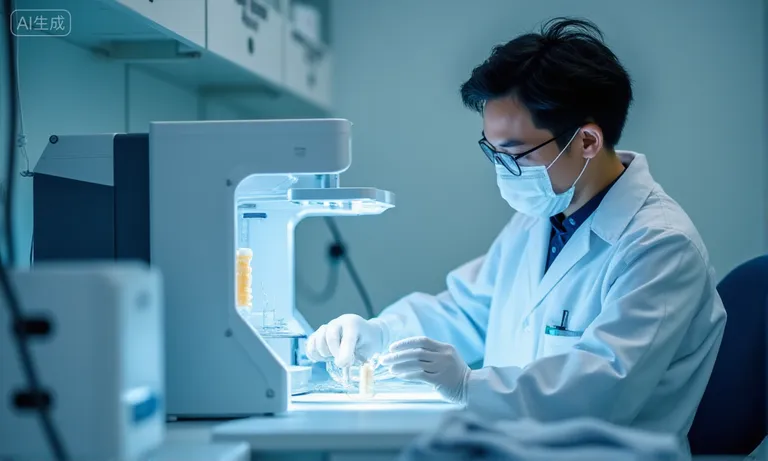
3D printing reshapes dental implant production by eliminating time-consuming steps and enabling in-house fabrication. What used to take weeks in traditional workflows can now be completed in a matter of days—or even hours—when digital files flow directly from design to production. For clinics and procurement teams, faster turnaround directly translates into shorter chairside waiting times, better scheduling, and more predictable delivery.
Dental-lab-3D-printing-speed-turnaround
Traditional implant workflows often require multiple manual processes—wax-ups, casting, and repeated adjustments—all of which add days or weeks. 3D printing eliminates several of these steps by converting digital scans into directly printable models, surgical guides, or provisional restorations. The result is a more linear process where fewer handoffs mean less waiting and fewer chances for error.
Rapid prototyping means that design iterations can be tested almost instantly. If a framework or guide requires adjustments, reprinting can be done within hours rather than waiting for an entirely new fabrication cycle. This flexibility improves clinical scheduling and ensures that procurement teams have better control over batch orders, reducing bottlenecks across multiple cases.
From our perspective as an overseas dental lab, we have seen that clients adopting hybrid models—combining in-house 3D printing for immediate needs with outsourced production for complex restorations—achieve the most efficient balance. By integrating fast turnaround with reliable large-scale fabrication, clinics can deliver speed without sacrificing quality.
3D printing improves dental implant outcomes by enhancing precision, reducing remake rates, and supporting higher long-term success. Unlike traditional methods that rely on multiple manual steps, digital fabrication ensures consistent fit and durability while lowering the risk of complications. For clinics and procurement teams, this means fewer remakes, more predictable outcomes, and stronger ROI.

Dental-lab-3D-printing-accuracy-QA
Digital scans feed directly into CAD/CAM systems, allowing for precise control over margins, angulation, and occlusion. This accuracy reduces the risk of misfit, which in turn lowers the chances of post-placement complications. A closer fit not only supports long-term implant stability but also minimizes adjustments chairside, saving time for both clinicians and procurement teams.
Our experience as an overseas dental lab shows that the combination of digital precision and robust QA reduces remake rates significantly. For example, clinics working with us on 3D-printed surgical guides report fewer adjustments and faster chairside placement, which directly strengthens their success rates and patient satisfaction.
3D printing enables patient-specific solutions that traditional methods cannot match, from anatomical jaw models to customized surgical guides. This level of personalization improves both esthetics and long-term functionality, giving clinics and procurement teams confidence that restorations will align with patient needs while scaling production efficiently.
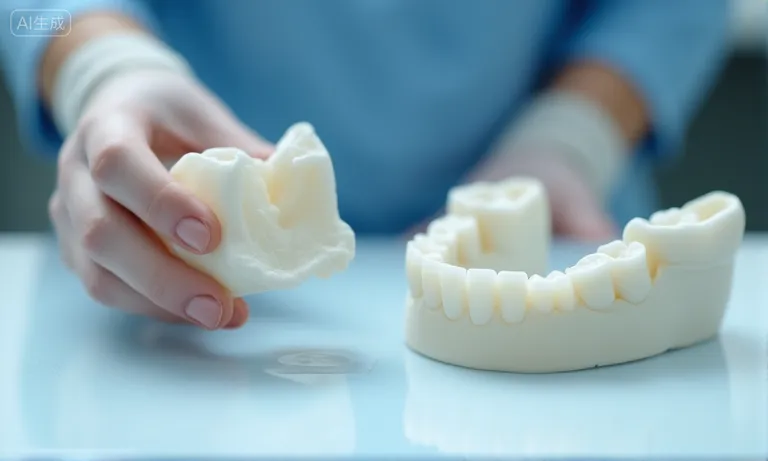
Dental-lab-3D-printing-customization-models
Digital scans can be translated into accurate 3D-printed models of a patient’s jaw, bone structure, or tooth morphology. These models allow clinicians to simulate implant placement before surgery, reducing risk and improving predictability. For procurement teams, this capability supports precision planning while minimizing delays from remakes or adjustments.
As an overseas dental lab, Raytops Dental Lab has supported clinics that moved from generic stock abutments to patient-specific designs. They reported not only higher patient satisfaction with esthetics but also fewer long-term complications. This shows how customization, when scaled with the right lab partner, becomes a procurement advantage rather than a cost burden.
3D printing integrates seamlessly with digital workflows, enhancing both lab-dentist communication and production efficiency. By ensuring CAD/CAM compatibility, real-time design sharing, and error reduction, digital workflows transform 3D printing from a standalone tool into a collaboration driver. For procurement teams, this integration means less waste, fewer remakes, and smoother supplier partnerships.

Dental-lab-digital-collaboration-3D-printing
CAD/CAM systems define the accuracy of the final restoration. Without compatibility, file conversions can distort margins, angulation, or occlusion. 3D printing thrives when input files remain intact, enabling precise surgical guides, anatomical models, and restorations. Procurement managers often evaluate suppliers by checking whether labs can handle cross-platform CAD/CAM files without losing accuracy.
From our role as an overseas dental lab, we have seen that digital integration allows clinics to scale faster and collaborate more efficiently. By leveraging CAD/CAM compatibility and real-time file sharing, Raytops Dental Lab helps clients cut waste, shorten approval cycles, and achieve predictable outcomes across multi-clinic networks.
3D printing impacts procurement not only through technical improvements but also by reshaping cost structures and ROI. By reducing labor dependency, optimizing material use, and enabling faster case completion, it creates measurable value. For procurement teams, evaluating ROI means balancing upfront investment with long-term savings from fewer remakes, quicker delivery, and more consistent supplier performance.
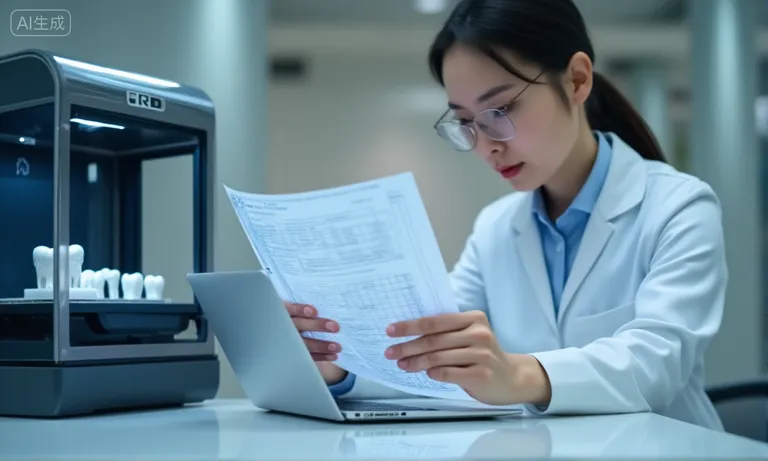
Dental-lab-3D-printing-cost-ROI
The financial impact of speed is often underestimated. Faster turnaround means patients can be scheduled sooner, reducing chairside downtime and maximizing clinic throughput. For procurement managers, quicker delivery lowers the cost of delays, shortens billing cycles, and improves supplier reliability metrics. This makes ROI less about initial price and more about time-to-value in daily operations.
| Evaluation Metric | Why It Matters | Procurement Benchmark |
|---|---|---|
| Turnaround time | Directly affects scheduling and patient flow | From weeks → days/hours |
| Remake rate | High remake rates add hidden costs | <5% target for consistency |
| Material traceability | Ensures compliance and safety | Certified resins/ceramics |
| Scalability | Ability to handle bulk orders | Multi-case batch printing |
| Cost transparency | Avoids unexpected surcharges | Clear pricing for materials & labor |
Our perspective as an overseas dental lab shows that ROI is best realized when procurement teams track both direct costs and supplier performance indicators. At Raytops Dental Lab, we have seen clinics achieve measurable savings by combining faster turnaround with low remake rates—demonstrating that supplier evaluation is as critical as the technology itself.
3D printing is transforming dental implant labs by delivering faster turnaround times, higher accuracy, and scalable customization. Digital workflows and real-time collaboration reduce waste and remakes, while procurement teams gain measurable ROI through shorter delivery cycles and more predictable supplier performance. The value extends beyond technology—it lies in how consistently these outcomes can be delivered across cases and clinics. Partnering with an overseas dental lab such as Raytops Dental Lab, which combines digital expertise with strict quality assurance, ensures that 3D printing becomes not only a tool for innovation but also a foundation for reliable, long-term procurement success.