3D printing is reshaping dental implant workflows by combining accuracy, speed, and collaboration into one streamlined process. It is no longer just a new technology; it delivers tangible improvements from the moment digital data is captured to the final delivery of implant-supported restorations.
Key Workflow Improvements
For procurement teams and labs evaluating 3D printing, the real advantage lies not only in adopting the technology but in how it transforms each step of the workflow. By reducing operational risks, enhancing efficiency, and strengthening long-term clinic–lab partnerships, 3D printing positions itself as a strategic enabler of scalable, reliable implant restoration delivery.
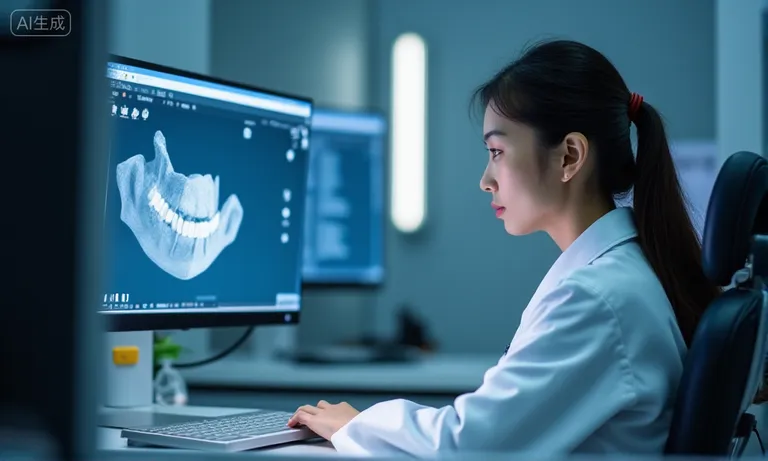
Digital data streamlines implant restorations by replacing error-prone impressions with intraoral scans, supporting precise CAD design, and enabling seamless STL/CAD file transfers between clinics and labs. This digital-first approach ensures a consistent starting point, reducing miscommunication and delays that once slowed implant workflows.
Image
ALT: Digital-dental-scan-cad-design
Prompt: A highly realistic, ultra-detailed, professional-quality photo captured in a clean, well-lit environment. Materials must be photorealistic, and rendered with DSLR-level clarity. Lighting should be soft daylight or studio white light, avoiding cold or bluish clinical tones. A Chinese dental technician reviewing an intraoral scan on a CAD workstation, with STL file icons visible on screen, emphasizing digital precision at the start of implant workflows.
Intraoral scans eliminate the distortions that can occur with physical impressions, such as material shrinkage, bubbles, or transport damage. High-resolution scanners capture detailed surface data of implant sites, which is immediately transferable to labs. Unlike impressions that require shipping, scans reach the lab within minutes, saving days in transit. This not only speeds up production but also improves accuracy, as the digital file preserves fine details that might otherwise be lost. Clinics adopting intraoral scans also report fewer patient complaints related to discomfort during impression-taking, making digital data a win for both accuracy and experience.
Once digital scans are received, CAD software allows technicians to design implant abutments and frameworks with precise control over angulation, margin definition, and occlusal adjustments. The digital environment provides tools such as margin-marking and virtual articulation, ensuring designs meet both functional and aesthetic goals. For example, when working with multi-unit restorations, CAD design helps simulate stress distribution across the prosthetic arch, lowering the risk of misfits or fractures. Because these designs are software-based, they can be modified instantly if clinicians request adjustments, which minimizes the back-and-forth typical of analog workflows.
Compatibility is critical because not all scanners or software platforms produce data in the same format. The most widely accepted standard is STL, but additional CAD formats may include proprietary data. Labs need to ensure their systems can seamlessly import and process these files. Key factors include:
An overseas dental lab like Raytops Dental Lab relies on this compatibility to begin production immediately, reducing turnaround times and preventing costly miscommunications.
Digital data, when standardized and shared efficiently, transforms the starting point of implant restorations. It ensures that every subsequent step—design, printing, and delivery—rests on a precise and reliable foundation.
3D printing accelerates fabrication by cutting turnaround times from weeks to days, removing error-prone manual steps, and scaling production for growing implant demand. For clinics and labs alike, this speed means smoother scheduling, faster case delivery, and greater reliability in meeting patient expectations.
The time savings of 3D printing are most visible in the fabrication stage:
This shift transforms timelines—single-unit implant crowns that once took two to three weeks can now be delivered within 48 hours, giving clinics greater scheduling flexibility and patients faster treatment.
Traditional fabrication requires several manual stages—waxing, investing, casting, and polishing—each introducing potential variability. By contrast, 3D printing eliminates many of these steps. Once the CAD design is approved, the printer executes the build with minimal technician intervention. The result is greater repeatability across cases. In one European lab project, first-fit accuracy for implant abutments improved from 65% under casting to 85% with additive manufacturing. This consistency reassures clinics that restorations will fit as designed, lowering the risk of remakes and reducing wasted chair time.
Automation allows labs to handle larger case volumes without adding proportional labor:
For overseas dental labs like Raytops Dental Lab, these automation gains translate into reliable delivery for partners who require both speed and scale. It ensures that large-volume implant workflows can be executed without sacrificing accuracy or quality.
By accelerating timelines, reducing variability, and enabling true scalability, 3D printing makes implant-supported prosthetic fabrication faster, more predictable, and more resilient to volume demands.
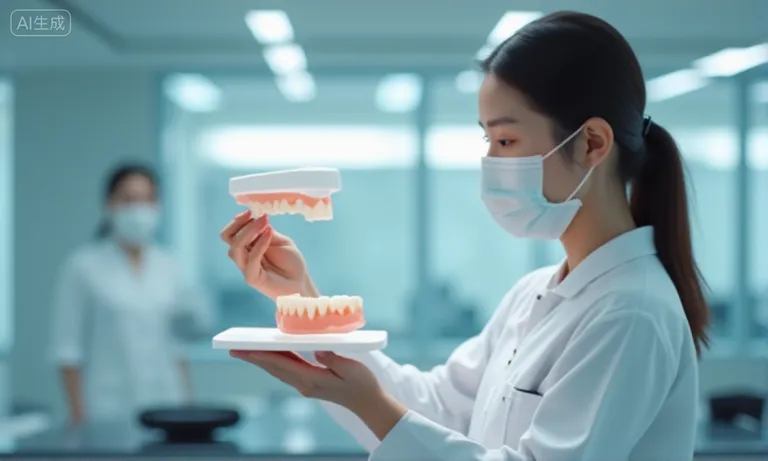
3D printing improves the precision and fit of implant components by enabling surgical guides with micron-level accuracy, customized abutments for stability, and restorations that minimize microgaps and remakes. Combined with advanced materials, these capabilities ensure that restorations not only function reliably but also meet the aesthetic demands of modern implant dentistry.
Dental-3d-printing-precision-implant-components
3D-printed surgical guides are created directly from digital scans, which align precisely with patient anatomy. Because they follow the digital treatment plan, implant drills are positioned at the exact angulation and depth intended by the clinician. This accuracy reduces the risk of deviation during surgery and enhances predictability in multi-unit restorations. In one DSO network, shifting to printed guides reduced intraoperative adjustments by 30%, directly improving surgical efficiency and patient safety.
These design-driven advantages ensure restorations remain stable over years of functional use, giving clinics confidence in their implant programs.
| Component | Traditional Casting Average | 3D Printing Average | Clinical Benefit |
|---|---|---|---|
| Abutments | 100–150 μm | 20–50 μm | Fewer misfits, less chairside adjustment |
| Surgical Guides | 80–120 μm | 20–40 μm | Improved implant placement accuracy |
| Full-Arch Frameworks | 200 μm+ | 50–70 μm | Lower risk of fractures and remakes |
Microgaps between abutments and implants often become bacterial reservoirs, threatening long-term success. The tighter tolerances achieved with 3D printing minimize these risks and reduce costly remakes.
Modern 3D printing materials—such as titanium alloys, cobalt-chrome, and high-strength resins—combine durability with aesthetics. Titanium offers excellent biocompatibility for abutments, while ceramic-filled resins deliver lifelike translucency for crowns and bridges. By leveraging these options, labs can balance strength with natural appearance. For clinics, this means implant restorations that satisfy both functional and cosmetic expectations.
For overseas dental labs like Raytops Dental Lab, the integration of digital accuracy and advanced materials translates into consistent, clinically reliable restorations. By reducing remakes and ensuring stable fits, labs reinforce their role as trusted collaborators in long-term implant success.
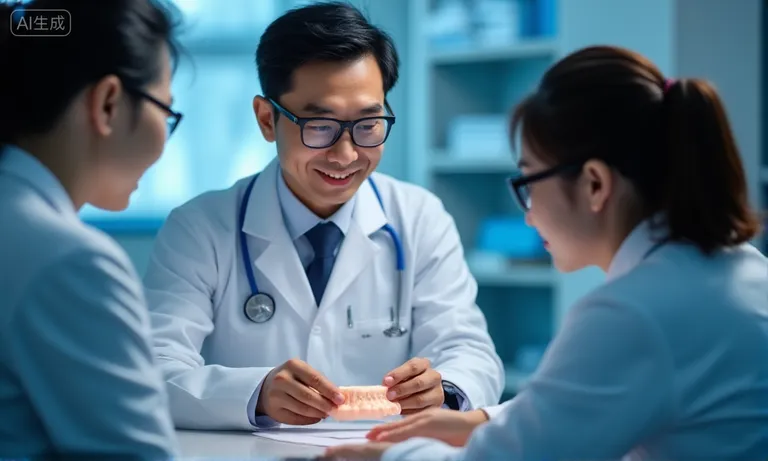
3D printing optimizes collaboration between labs and clinics by enabling standardized file exchange, supporting shared digital planning, and aligning CAD/CAM workflows into one continuous chain. These capabilities reduce communication gaps and make implant cases more predictable for both sides.
Dental-lab-digital-collaboration-implant
For global implant workflows, compatibility is the backbone of trust. A clinic in North America can send an STL file in the morning, and an overseas dental lab can begin designing within hours, ensuring projects progress without unnecessary lag.
In traditional workflows, case planning often required multiple physical adjustments and phone calls. With digital planning tools, clinicians and labs now work on the same 3D models. Adjustments to abutment angulation, occlusal clearance, or emergence profile can be reviewed in real time. One DSO partner reported that shared planning reduced their revision cycles by nearly 40%, significantly cutting communication overhead. This level of alignment allows clinics to feel confident in case accuracy before fabrication begins.
| Benefit Category | Impact on Clinic | Impact on Lab |
|---|---|---|
| Predictability | Clear case timelines | Consistent production schedules |
| Transparency | Access to live design previews | Reduced miscommunication |
| Flexibility | Rapid adjustment options | Faster file turnaround |
When CAD/CAM workflows are integrated, both clinics and labs share responsibility for accuracy, leading to smoother coordination and fewer costly delays.
At Raytops Dental Lab, collaboration is not limited to file transfers—it is about building synchronized workflows that let clinics and labs act as one team. As an overseas dental lab, our role is to ensure that digital compatibility translates into real-world reliability, giving partners confidence in every stage of implant case delivery.
3D printing provides clinics with overall workflow improvements by accelerating lab delivery, ensuring predictable outputs, and supporting consistent long-term outcomes. These operational benefits extend beyond prosthetic fabrication, shaping how clinics plan schedules, manage risks, and scale implant services.
Dental-clinic-efficiency-3d-printing
These improvements allow practices to book more patients and utilize their chairs more effectively, directly boosting revenue.
Predictability is critical in implant workflows. With digital files and additive manufacturing, labs can produce restorations that consistently fit within planned timelines. Clinics no longer face last-minute cancellations or extended adjustment sessions. In one multi-site DSO program, predictable lab delivery reduced treatment delays by nearly 25%, improving patient trust and surgical planning. This reliability makes it easier for clinicians to schedule surgeries confidently, knowing that lab support will not cause unexpected risks.
For clinics, this means implant restorations that are not only delivered faster but also supported by a lab infrastructure designed for reliability. For Raytops Dental Lab, acting as an overseas dental lab partner, the focus is on providing predictable, repeatable, and scalable support so that clinics can grow without worrying about workflow bottlenecks.
By combining speed, predictability, and consistency, 3D printing elevates clinical workflows from reactive adjustments to proactive planning.
3D printing has reshaped implant dentistry by combining speed, precision, and reliability into a single workflow. Clinics gain shorter treatment cycles, predictable outcomes, and fewer risks, while labs benefit from scalable production and reduced variability. These improvements are not just technical upgrades—they are workflow solutions that directly support clinic efficiency and patient satisfaction. As an overseas dental lab, Raytops Dental Lab collaborates with partners worldwide to integrate digital data, CAD/CAM design, and additive manufacturing into seamless implant workflows, ensuring consistent results at scale. Together, this alignment enables practices to grow with confidence in both their clinical and operational outcomes.