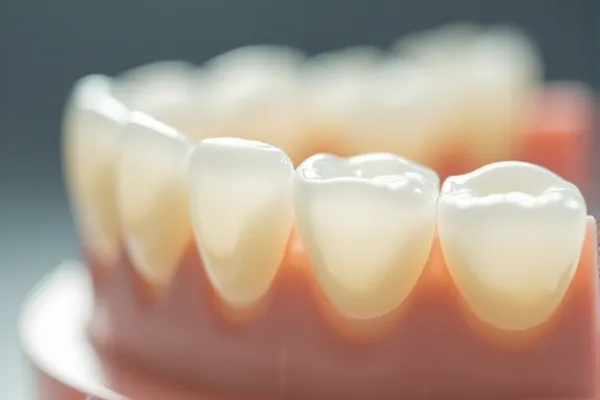
Choosing the right zirconia material can be overwhelming when strength, esthetics, and cost all vary across options. Without clarity, clinics may unintentionally compromise on durability or visual quality depending on the crown type selected. This comparison outlines how monolithic, high translucent, and porcelain-layered zirconia differ—and how to match each to clinical demands for reliable, esthetic outcomes.
Monolithic zirconia offers maximum strength with limited esthetics; high translucent zirconia balances moderate strength with enhanced visual appeal; porcelain-layered zirconia delivers top-tier esthetics but carries higher chipping risk. Material selection should align with restoration zone, functional load, and patient expectations.
What Strength Properties Differentiate Monolithic, High Translucent, and Porcelain Zirconia Crowns?
Not all zirconia restorations offer the same mechanical performance. Strength differences across monolithic, high translucent, and porcelain-layered zirconia come from their composition, structure, and processing. These variations directly impact their suitability for different functional zones and patient types.
Zirconia-Crown-Strength-Comparison
How Does Flexural Strength Differ Between Monolithic and High Translucent Zirconia?
Flexural strength indicates how well the crown resists fracture under load.
Monolithic zirconia typically offers 1000–1200 MPa, ideal for posterior and bruxism cases
High translucent zirconia ranges from 600–800 MPa due to increased yttria content for light transmission
Material choice must match load demands—esthetic zones tolerate lower strength; molars do not
Connectors and pontics in bridges demand higher flexural ratings to prevent mid-span failure
How Durable Are Zirconia Porcelain Crowns Compared to Other Zirconia Options?
Porcelain-layered zirconia combines strength and esthetics—but introduces new risks.
Zirconia substructure still offers high core strength (~1000 MPa)
Porcelain veneer is the weak point—prone to chipping or delamination under functional stress
Esthetically superior, but often limited to anterior zones or low-load applications
High maintenance risk if placed in high occlusal force regions
They offer beauty, but demand case-by-case evaluation for longevity.
How Do Material Density and Sintering Influence Zirconia Crown Strength?
Processing defines performance as much as raw material.
High-density compacts reduce porosity and improve crack resistance
Even sintering cycles ensure uniform shrinkage and grain structure
Faster or uneven sintering can lead to internal stress points and weak spots
Proper cooling curves post-sintering stabilize final phase composition
Lab technique quality often determines whether strength potential is fully realized.
✅ Zirconia strength varies by type and is influenced by how it’s processed – TRUE Monolithic offers the highest durability, but processing precision is essential across all types.
❌ All zirconia restorations are equally strong because they use the same base material – FALSE Strength is affected by translucency modifications, layering techniques, and lab protocols—not just the material name.
How Do Aesthetic Outcomes Vary Among Monolithic, Translucent, and Porcelain Zirconia Crowns?
While zirconia is known for its strength, esthetic performance varies significantly by type. Understanding how each variant handles translucency, shade integration, and natural light interaction helps clinicians and labs match the right crown to the patient’s visual expectations.
Image ALT: Zirconia-Crown-Aesthetic-Comparison Prompt: A realistic close-up of three anterior zirconia crowns—monolithic, high translucent, and porcelain-layered—placed on a model under soft daylight to highlight translucency, surface texture, and shade blending differences
Why Is Translucency Critical for Natural-Looking Zirconia Crowns?
Translucency allows crowns to interact with light like natural enamel.
Natural teeth scatter and absorb light, creating depth and vitality
Low-translucency zirconia can appear opaque or “chalky,” especially under natural light
High translucency enhances blend with adjacent teeth, especially in smile zones
Gradient translucency blocks create seamless transition from cervical to incisal
Translucency is essential in anterior esthetics where light behavior defines realism.
How Effectively Does High Translucent Zirconia Mimic Natural Tooth Aesthetics?
High translucent zirconia is engineered to balance strength with visual depth.
Better light transmission than monolithic variants without compromising moderate strength
Less layering required, which reduces risk of delamination
Ideal for anterior single units or visible bicuspids
Limitations appear under strong light—less refractive layering than feldspathic porcelain
It’s a middle-ground solution that often meets both clinical and patient demands.
How Do Color Matching and Aesthetics Compare Between Porcelain and Monolithic Zirconia?
Property
Porcelain Zirconia
High Translucent Zirconia
Monolithic Zirconia
Shade Depth & Layering
✅ High (layered)
✅ Moderate (stain + block)
❌ Low (block only)
Translucency & Light Play
✅ High
✅ Moderate–High
❌ Low–Moderate
Surface Texture Detail
✅ High (manual finish)
✅ Moderate
❌ Minimal
Risk of Chipping/Fracture
❌ Moderate–High (veneer)
✅ Low
✅ Very Low
Best Used For
Esthetic multi-units
Anterior, visible zones
Posterior, bruxers, bridges
Each type delivers a different level of visual fidelity. Knowing when and where to use each is key to outcome success.
Choosing the right crown depends on visual demands and clinical conditions. Contact us for material samples or clinical photo comparisons to see how each zirconia option performs in real-world lighting and esthetic zones.
How Do Strength and Aesthetics Guide Zirconia Material Selection for Different Cases?
Zirconia restorations aren’t interchangeable. Each variant—monolithic, high translucent, and porcelain-layered—has strengths and limitations that make it more suitable for certain clinical zones or patient priorities. Matching material to indication avoids failures and enhances satisfaction.
Image ALT: Zirconia-Crown-Case-Type-Matching Prompt: A realistic diagram mapping monolithic, translucent, and porcelain zirconia crowns to different tooth zones on a full-arch model—color-coded by suitability for posterior, anterior, and esthetic-demand areas
Where Is Monolithic Zirconia Most Suitable in Restorative Cases?
Monolithic zirconia is the go-to choice for high-strength, low-maintenance restorations.
Posterior crowns and bridges where occlusal load is greatest
Implant restorations needing minimal risk of veneer chipping
Bruxism patients, where material fracture resistance is essential
Long-span restorations, where uniform strength across units prevents mid-span failure
While not esthetically superior, monolithic excels in functional durability.
When Is High Translucent Zirconia the Right Choice for Aesthetic Zones?
High translucent zirconia is ideal when strength still matters—but esthetics can’t be compromised.
Anterior crowns or bicuspids visible in dynamic smile zones
Single-unit restorations where shade harmony is important
Cases with moderate bite force, avoiding deep posterior occlusion
Esthetic-driven patients who value integration over perfect layering detail
It’s a balanced solution for light-load but visually sensitive areas.
What Makes Zirconia Porcelain Crowns a Suitable Option for Aesthetic Restorations?
Porcelain-layered zirconia is still the gold standard in complex esthetic cases.
Multi-unit anterior bridges, where uniform translucency and shade depth are critical
Veneer-style cases, especially when matching pre-existing porcelain work
High-smile-line patients, where subtle enamel effects are visible in speech and expression
Cases with prior cosmetic history, where layering control allows ultra-specific shade tuning
Despite chipping risks, it remains unmatched in layering detail and esthetic nuance.
✅ Zirconia type selection should match zone-specific functional and visual needs – TRUE Monolithic fits strength-driven zones; high translucent balances both; porcelain zirconia leads in complex esthetics.
❌ Any zirconia crown type can be used for any restoration – FALSE Misapplying esthetic materials in load-bearing zones—or using opaque monolithic in visible areas—can compromise longevity or appearance.
How Do Manufacturing Processes Affect Zirconia Crown Strength and Aesthetics?
The performance of a zirconia crown depends not just on material selection, but also on how it’s manufactured. From CAD design to milling, sintering, and finishing, every step in the lab affects the final outcome—both mechanically and visually.
Zirconia-Crown-Manufacturing-Workflow
How Does CAD/CAM Technology Influence Strength and Aesthetic Accuracy in Zirconia Restorations?
Digital design directly controls internal fit, thickness, and visual outcome.
Margin precision reduces cement gaps and increases longevity
Digital wax-ups allow better anatomical accuracy for esthetics
Connector geometry is optimized for load distribution in bridges
Real-time shade visualization helps labs pre-check esthetic balance before milling
CAD/CAM systems turn case planning into precise, repeatable restorations.
How Do Sintering and Milling Processes Affect the Final Quality of Zirconia Crowns?
Milling and sintering quality determine internal structure and surface finish.
Bur sharpness and toolpath affect marginal integrity and fit
Dry vs. wet milling influences surface roughness and post-processing time
Sintering temperature curves control grain growth and translucency
Fast or uneven sintering can introduce warping or internal stress fractures
Even top-tier zirconia loses performance when manufacturing is rushed or poorly calibrated.
How Does Labor Intensity Influence Cost and Customization in Zirconia Restorations?
Customization adds cost—but also delivers esthetic realism.
Porcelain layering requires high-skill ceramists and multiple firings
Hand staining and texture work increase realism, especially in anterior cases
Full-contour monolithic crowns are more efficient but visually limited
Digital customization reduces labor while retaining visual control for many cases
The right balance between efficiency and artistry depends on clinical zone and patient priorities.
In zirconia restorations, lab process defines quality. Request a technical capability overview or sample case walkthrough to understand how our lab balances speed, strength, and esthetic customization.
How Do Cost and Long-Term Durability Vary Across Zirconia Crown Options?
Zirconia crown types vary not only in strength and esthetics—but also in cost and longevity. Evaluating these factors side by side helps clinics make practical decisions that align with both clinical priorities and patient expectations.
Zirconia-Crown-Cost-Durability-Chart
How Does Cost Differ Among Monolithic, Translucent, and Porcelain Zirconia Crowns?
Cost often reflects both material value and manufacturing complexity.
Monolithic zirconia is the most cost-effective due to single-process milling and minimal manual work
High translucent zirconia is moderately priced, requiring more precise design and sintering but less layering
Porcelain-layered zirconia is the most expensive due to manual veneering, firing cycles, and higher technician skill
Shipping and remake rates should also be factored into total cost-of-care
Each crown type’s price tag should be viewed in context of esthetic need and failure risk.
Which Zirconia Material Offers the Longest Durability?
Durability is closely tied to both material strength and resistance to wear or chipping.
Monolithic zirconia offers the highest durability—ideal for long-span bridges, bruxers, and implant crowns
High translucent zirconia has moderate durability—suitable for lower-load zones
Porcelain-layered crowns are most prone to veneer chipping, reducing longevity despite a strong core
Clinical conditions (bite force, hygiene) often influence real-world durability more than material rating alone
Material durability depends as much on design application as on lab specs.
How to Balance Strength, Aesthetics, and Cost in Zirconia Material Selection?
Smart selection aligns the crown type with what the case—and the patient—demands.
Matching investment to case complexity avoids over- or under-delivering.
✅ Cost and durability should be evaluated together when choosing zirconia types – TRUE Lower upfront cost doesn’t always mean lower long-term expense—remakes, repairs, and esthetic dissatisfaction can cost more.
❌ High translucent zirconia offers the same durability as monolithic – FALSE Its reduced strength makes it less suitable for load-bearing restorations, despite its esthetic benefits.
What Risks and Limitations Should Be Considered for Different Zirconia Crown Types?
Each zirconia crown type brings specific trade-offs. While zirconia is known for its strength and adaptability, material-specific limitations—such as chipping risk, optical mismatch, or misapplication in high-load zones—can undermine otherwise well-planned restorations if not properly addressed.
Zirconia-Crown-Risk-Comparison
What Are the Fracture and Chipping Risks in Monolithic Zirconia Crowns?
Monolithic zirconia is strong, but not immune to failure.
Fracture under thin design: insufficient occlusal thickness can crack under load
Not suitable for molar bridges, especially in bruxers or implant zones
Wear resistance decreases with increased yttria content
Risk of catastrophic failure if used in high-stress restorations
It’s ideal for visibility—not molar function.
What Are the Color Matching and Fit Challenges in Zirconia Porcelain Crowns?
Porcelain-layered zirconia is technique-sensitive.
Layering variation leads to shade inconsistency across units
Shrinkage during sintering can affect marginal fit if not carefully calibrated
Multi-unit anterior cases are prone to value and hue mismatches
Veneer thickness inconsistency can cause light distortion
Ceramists’ experience and digital support tools make or break esthetic outcomes.
In zirconia restorations, risk isn’t just about material—it’s about matching it to case demands. Send us your case parameters to explore which zirconia type offers the safest, most esthetic result for your specific restoration.
How to Select the Right Zirconia Type for Strength, Aesthetics, and Budget?
Zirconia selection isn’t just about picking a strong or pretty material—it’s about balancing multiple clinical and business priorities. Strength, esthetics, and cost must align with each case’s zone, patient expectations, and functional demands to avoid over- or under-engineering a solution.
Zirconia-Selection-Decision-Matrix
What Factors Help Determine the Best Choice Between Monolithic and High Translucent Zirconia?
Both types serve distinct needs—context is key.
Posterior or load-bearing cases → Monolithic zirconia preferred
Esthetic zones with moderate stress → High translucent zirconia fits better
Budget-conscious patients → Monolithic zirconia with staining balances visual and financial goals
Hybrid approaches → Use monolithic posterior + high translucent anterior for mixed cases
Think in terms of zone, visibility, and force—not just material label.
When Is Zirconia Porcelain the Right Choice for High-Aesthetic Cases?
Porcelain-layered zirconia excels when esthetics matter most.
Anterior bridges where light transmission must be consistent across units
High-smile-line patients with visible shade gradation under natural light
Cosmetic upgrades or redo cases, especially matching existing porcelain work
Ultra-specific shade or translucency requirements that digital stain can’t replicate
Its risks are justified when esthetic outcome is the priority.
How Should Strength, Aesthetics, and Cost Be Balanced in Zirconia Material Selection?
Effective planning minimizes trade-offs.
Start with functional requirements—load, occlusion, parafunction
Factor in patient goals and esthetic expectations
Match budget to risk—don’t overengineer low-risk cases or cut corners on high-risk zones
Work with labs who can advise on combining materials in full-mouth or quadrant treatments
Balance isn’t always about compromise—it’s about case-specific optimization.
✅ Zirconia type should be chosen based on clinical zone, load, and esthetic expectations – TRUE Each material excels in different roles—success lies in matching type to need, not defaulting to one option.
❌ Using only one zirconia type simplifies workflow without impacting outcomes – FALSE Uniform material use can lead to poor results in esthetic or high-load zones where specialization is required.
Conclusion
Zirconia crowns offer diverse solutions for modern restorative needs, but their success depends on aligning the right material with each case’s functional and visual demands. Understanding how strength, esthetics, and lab processes vary across zirconia types helps dental teams make informed decisions and avoid compromise.