Inconsistent restoration fit, unclear margins, and high remake rates are common issues for dental labs that still rely on analog workflows. As digital systems become more accessible, lab decision-makers are reevaluating how each step in their production chain—from scan intake to milling output—affects clinical outcomes and operational efficiency.
Digital workflows offer more than speed; they enable precision. From margin clarity in intraoral scans to automated alerts in CAD design and traceable outputs in CAM milling, each component helps reduce variability and prevent remakes before they occur. For labs under pressure to meet consistent quality expectations, understanding the technical checkpoints across a digital workflow is now essential.
Labs evaluating the ROI of digital workflows should focus on five key checkpoints:
Labs prepared with these digital capabilities can offer greater predictability, faster corrections, and stronger alignment with clinical teams—without overpromising or sacrificing precision.
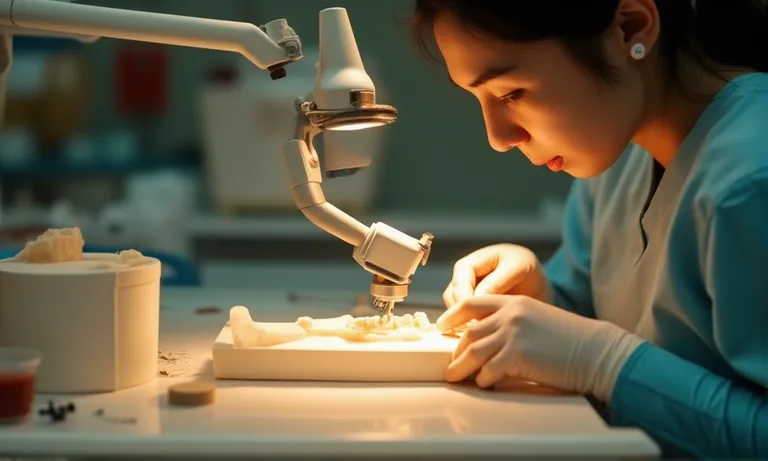
Traditional dental workflows often accumulate small but compounding errors that remain hidden until the final restoration delivery. These issues primarily stem from analog impressions, manual model fabrication, and the lack of early-stage verification tools—making it harder to control marginal accuracy and fit quality.
Traditional-dental-lab-errors-impression-waxup
Analog impressions are inherently prone to distortion, especially when moisture, patient movement, or delayed pouring affects the final cast.
For restorations where sub-millimeter precision is essential, these analog artifacts can cause poor internal fit, premature contacts, or open margins—all of which may necessitate a costly remake.
🔗 Explore more on margin clarity challenges in analog workflows
The handcrafted nature of traditional wax-ups leaves too much room for interpretation, which can introduce variability even among skilled technicians.
Even in well-trained labs, manual steps add significant operator-dependent variables, leading to deviations from the clinician’s original intent.
The traditional workflow lacks integrated checkpoints, so many issues are only discovered during the final try-in or delivery to the dentist.
This delay not only increases remake rates but also disrupts clinical scheduling and erodes trust between lab and practice.
✅ Most restoration fit issues originate before the milling stage – TRUE
Inaccuracies usually arise during scanning, impression taking, or manual modeling—not in the CAM phase. Identifying these early ensures better final fit.
❌ Analog workflows allow full detection of margin gaps – FALSE
Without digital magnification or simulation, margin discrepancies often remain hidden until delivery, increasing the risk of remakes or clinical failure.
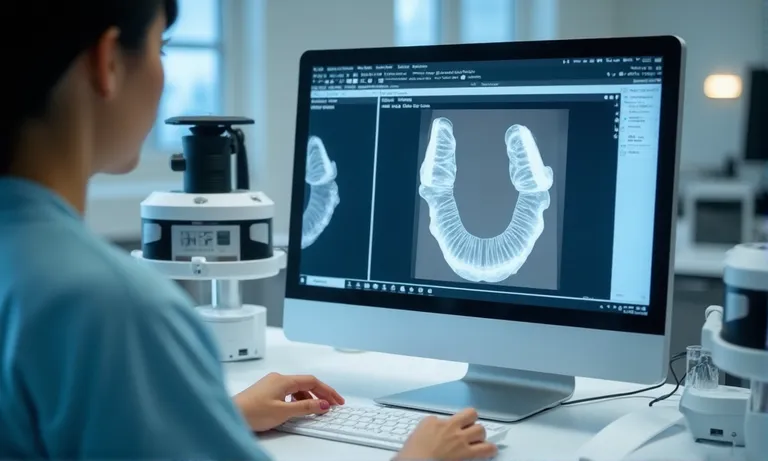
Digital scanning improves restoration precision from the very beginning by minimizing impression distortion, capturing clearer margins, and enabling early-stage detection of fit-related risks. Whether through intraoral or model scanning, digital workflows set a more accurate foundation—reducing the likelihood of downstream remakes.
Intraoral-scanner-dental-lab-accuracy-comparison
Different types of scanners serve different purposes, but both surpass traditional methods in clarity and consistency. Here’s a comparison of their core precision metrics:
| Scanner Type | Accuracy (µm) | Use Case | Margin Detail Visibility | Operator Dependency |
|---|---|---|---|---|
| Intraoral Scanner | 10–20 µm | Direct patient scan, chairside | High | Medium |
| Desktop Model Scanner | 5–10 µm | Stone model or printed model scanning | Very High | Low |
Intraoral scanners capture real-time patient anatomy, ideal for single-unit or quadrant cases. Desktop scanners, when used on 3D-printed or poured models, provide even finer detail and greater control over scanning angles—making them more suitable for multi-unit or complex restorations.
Digital workflows eliminate several key sources of distortion that are inherent in physical impressions:
These factors ensure a more reliable foundation for every restoration design and reduce the cascading impact of upstream errors.
Yes, digital scans enable the detection of margin-related issues before any design begins, allowing for early intervention:
When used correctly, these tools allow labs to catch errors while still reversible, preventing the need for redesigns or re-fabrications later.
Key scanning platforms like 3Shape, Medit, and Exocad now offer native margin alerts and undercut flags, creating a more intelligent and preemptive workflow.
Digital scanning isn’t just about visualization—it’s about making intelligent, front-loaded decisions that minimize risk from day one.
Digital scanning technologies improve restoration precision by eliminating analog distortion, providing verifiable margin clarity, and enabling real-time feedback during scan acquisition. Labs that adopt these tools early in the workflow consistently report fewer remakes and better clinical integration.
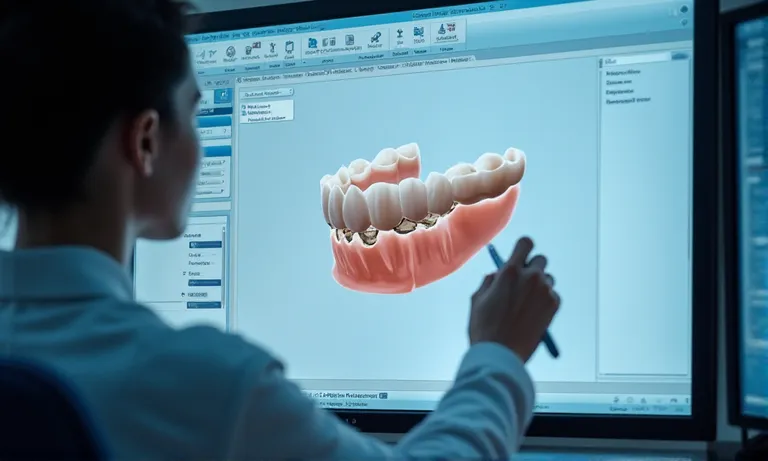
CAD systems reduce variability and human error by converting manual design steps into software-guided, repeatable digital workflows. With embedded anatomical libraries, margin marking tools, and automated alerts, CAD platforms bring standardization and predictive control into the heart of prosthetic design.
Digital-cad-design-dental-software-anatomy-margin
Margin definition and morphology customization are core to CAD’s precision advantage.
By embedding these features into the design process, CAD minimizes variations caused by hand-carved wax-ups or subjective technician interpretations.
🔗 Explore how digital crown libraries standardize morphology
Occlusal dynamics are simulated in CAD using real-time adjustment features and multi-angle articulation tools. A typical digital occlusion verification includes:
Compared to articulating paper in physical workflows, digital occlusion provides a repeatable and adjustable model that reduces chairside refinements and remakes.
Yes, modern CAD systems integrate real-time logic that flags design flaws before fabrication:
These checks reduce the burden on technician memory and catch issues early in the workflow, making designs safer and more predictable for milling or printing. Systems like Exocad and 3Shape routinely include customizable alert parameters that adapt to specific lab protocols.
🔗 Learn more about digital validation tools in CAD design
✅ CAD-based design often requires less technician adjustment – TRUE
With proper presets and client profiles, CAD output is more consistent than hand-waxed cases and typically requires fewer chairside corrections.
❌ Manual wax-ups offer better occlusal customization than CAD – FALSE
Digital articulation tools simulate dynamic occlusion more reliably and consistently than manual wax-ups, reducing human variability.
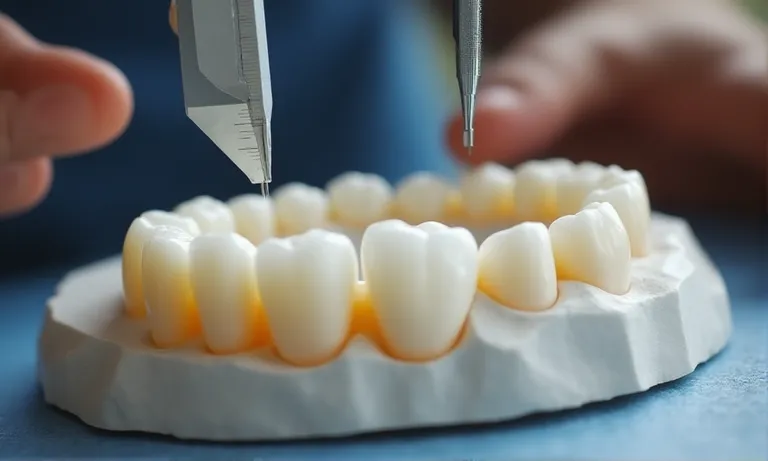
CAM technologies enhance consistency and repeatability by translating digital designs into precisely controlled physical outputs. Unlike manual methods, milling and 3D printing follow fixed mechanical tolerances and traceable settings—significantly reducing variability in fit, contact, and margin integrity.
Dental-lab-CAM-milling-vs-handcraft-comparison
Digital manufacturing systems operate within strict mechanical tolerances that minimize human-induced variation. Here’s a comparison:
| Fabrication Method | Dimensional Tolerance | Repeatability | Operator Dependency | Risk of Micro-Gaps |
|---|---|---|---|---|
| 5-axis CAM Milling | ±20–30 µm | Very High | Low | Minimal |
| High-Res 3D Printing | ±40–70 µm | High | Medium | Low |
| Manual Wax-Up + Casting | ±100–150 µm | Variable | High | Higher |
Both CAM milling and resin printing ensure more uniform wall thickness, marginal integrity, and occlusal fit—particularly for multi-unit or splinted restorations.
🔗 Read more on CAM milling accuracy benchmarks
The accuracy of CAM output depends not just on machine type but also on setting choices made before execution:
Technicians who understand and manage these variables consistently produce restorations that require little or no chairside adjustment.
Yes, CAM software offers traceability features that improve accountability and process validation:
These logs not only aid in internal QA audits but also strengthen confidence when labs need to justify consistency or defend against remake claims.
✅ Handmade crowns offer more individualized fit than CAM – FALSE
While hand skills offer adaptability, they introduce inconsistency. CAM ensures precision fit within microns of control.
❌ 3D printing doesn’t support predictable contact points – FALSE
High-res resin systems with calibrated settings can match or exceed contact point predictability compared to wax casting.
Digital QA mechanisms build multiple checkpoints into the production cycle, allowing labs to proactively catch and correct issues before restorations are shipped. From scan validation to final fit simulation, integrated digital tools create a continuous quality loop that lowers remake rates and builds client trust.
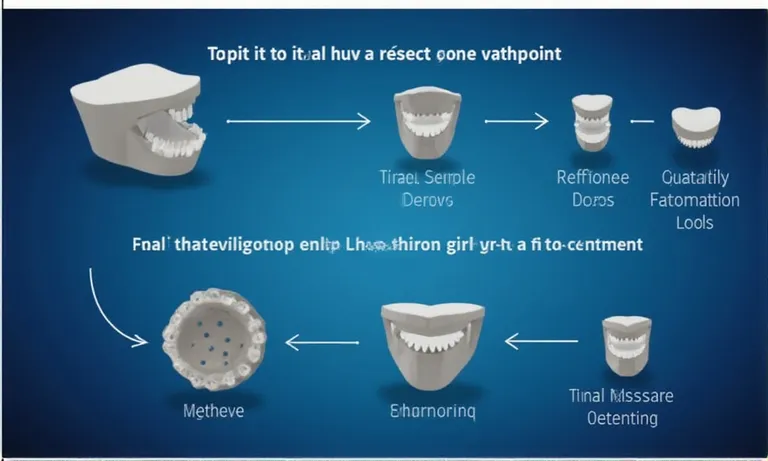
Digital-dental-QA-workflow-multi-checkpoints
A strong digital QA process includes verifications at multiple stages of the workflow:
Each of these checkpoints minimizes the chance of defects reaching the delivery box—and creates an audit trail that improves transparency and accountability.
Late-stage remakes are often due to undetected discrepancies in margin capture or internal fit. Digital tools offer early detection:
These tools eliminate guesswork and allow labs to intervene while issues are still reversible—saving time and preserving client confidence.
🔗 See examples in digital restoration verification workflows
Yes, traceability tools close the QA loop and support continuous improvement:
This ecosystem builds a learning loop around quality, enabling labs to evolve proactively rather than reactively.
Digital QA is no longer optional—it’s an essential pillar of scalable, low-defect dental production. Labs that implement these mechanisms consistently outperform those relying on manual spot-checks alone.
Adopting a fully digital workflow enables dental labs to reduce remake rates, shorten turnaround times, and improve consistency in fit and accuracy. These gains are not abstract—they’re measurable across thousands of cases and verified through internal audits and external feedback.
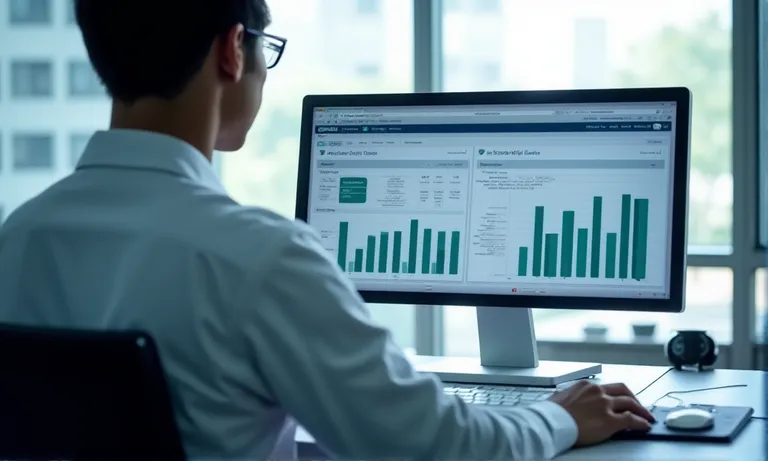
Dental-lab-digital-vs-analog-performance-metrics
Labs that migrate to digital workflows consistently report a drop in remake rates due to better margin clarity, earlier error detection, and tighter production control.
Many labs report remake rates dropping from 8–10% to under 4%, especially when paired with dentist education and pre-case file checks.
Speed gains are another major benefit, as digital workflows remove analog delays related to setting, pouring, and shipping.
| Workflow Stage | Analog Time (avg) | Digital Time (avg) | Efficiency Gain |
|---|---|---|---|
| Impression & Model | 1.5–2 days | 0.5 day (same-day scan) | ~60–75% faster |
| Wax-Up & Design | 1 day | 2–4 hours | ~50% faster |
| Milling/Printing | 0.5–1 day | 4–6 hours | ~30–40% faster |
| Total Turnaround | 5–7 days | 2.5–3.5 days | ~50% reduction |
For high-volume clients, this improvement reduces patient wait times and improves clinic scheduling efficiency.
Accuracy isn’t just about feeling—it’s about measurable fit.
These benchmarks allow labs to align with global standards while building trust through performance reporting.
Digital workflows empower labs with measurable gains in accuracy, turnaround, and client satisfaction. Teams that track and report these metrics position themselves as reliable long-term partners.
When selecting a dental lab for long-term collaboration, asking the right questions about digital QA and precision protocols is essential. These questions help distinguish between labs that simply “own digital tools” versus those that fully embed digital validation into their workflow.
Dental-client-evaluating-lab-digital-process-questions
Key questions to ask your lab about pre-fabrication validation include:
Labs that can confidently answer these questions are far more likely to deliver restorations with predictable fit.
Trial orders or sample batches are excellent opportunities to evaluate how well a lab documents and shares its internal QA process:
When labs make this process visible, clients gain trust and feel more confident scaling orders.
Here’s a simple process to confirm whether the lab uses standard QA documentation:
This level of transparency is increasingly expected, especially by DSOs and procurement-led clinics.
✅ A well-documented digital workflow should include occlusion simulation – TRUE
High-performing labs often run occlusal checks before production to prevent adjustment issues and ensure clinical fit.
❌ Receiving a low remake rate claim is enough to confirm QA – FALSE
Verbal remake rates without documented logs are not reliable proof of consistent quality assurance.
As a global dental lab partner, Raytops integrates digital checkpoints and collaborative QA practices to support clinics, DSOs, and labs in achieving precise, predictable restorations. Rather than imposing protocols, we embed into our clients’ systems—helping them meet quality goals through reliable digital coordination.
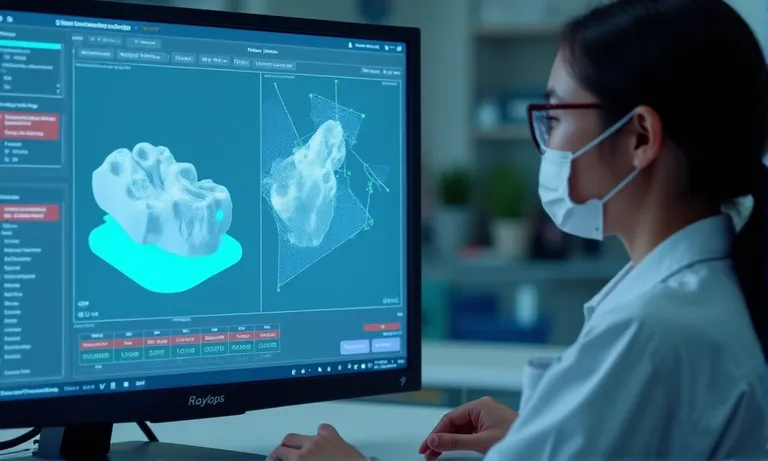
Raytops-digital-dental-lab-restoration-accuracy-checkpoints
Before design begins, Raytops applies a series of automated and human checks to submitted STL files:
These early-stage interventions dramatically reduce wasted design cycles and misfit-related remakes.
Our pre-CAM process includes technician-guided verification of design intent and CAM feasibility:
This approach blends automation with experienced review, minimizing CAM-stage surprises and physical inconsistencies.
Every completed case at Raytops is subject to final-stage QA validation before shipping:
Clients can request performance summaries on a case or weekly basis—especially useful for DSO procurement teams tracking vendor performance across locations.
Raytops doesn’t replace clinical decision-making—we support it through reliable, scalable digital execution.
By combining upstream prevention, midstream simulation, and downstream validation, Raytops helps global clients reduce remake rates, shorten turnaround, and deliver consistent clinical outcomes across restorations.
Digital workflows alone don’t guarantee fewer remakes or better restorations—but when combined with disciplined QA, intelligent checkpoints, and reliable lab execution, they become a powerful enabler of consistency, speed, and clinical success.
From eliminating analog distortion to simulating real-time occlusion, each digital stage offers opportunities to detect errors early and deliver restorations that fit right the first time. The benefits are measurable: lower remake rates, shorter turnaround times, and tighter control over margin and contact fidelity.
However, realizing these benefits depends on how well your lab supports the process—not just with software, but with insight, accountability, and operational discipline.
At Raytops, we work alongside clinics, DSOs, and global dental labs to turn digital workflows into dependable clinical results. By embedding validation tools, proactive communication, and post-fabrication feedback into every case, we help clients reduce variability and scale with confidence.
Digital accuracy isn’t just a toolset—it’s a mindset, backed by a lab that knows how to use it.