Choosing a dental lab with 3D printing capabilities can significantly change how implant cases are delivered. For procurement teams and clinic partners, the value lies not in the technology itself, but in the measurable efficiency it creates across every stage of the workflow.
By integrating digital impressions, CAD design, and 3D printing, labs eliminate traditional bottlenecks such as stone model production, manual adjustments, and shipping delays. This means implant cases can move from file submission to delivery in a fraction of the time. For clients, the result is faster turnaround, fewer remakes, and predictable quality across multiple cases.
Key considerations include:
For clients evaluating dental lab partners, these factors define why 3D printing is not only about advanced tools—it is about reliable delivery, long-term efficiency, and a more resilient supply chain.
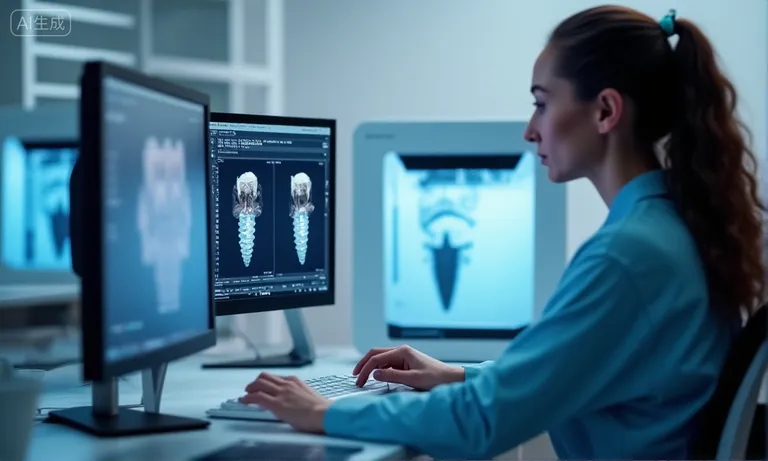
Modern implant workflows move faster when every step is digital. By eliminating manual model-making and enabling instant file transfers, labs can reduce turnaround from weeks to days. Clinics notice the difference most in urgent or multi-unit implant cases, where delays directly affect patient scheduling and confidence. A streamlined digital system gives both sides predictable timelines and smoother collaboration.
Digital-workflow-dental-lab-case-submission
When a clinic sends a digital impression, the case arrives in minutes instead of days. Files can be uploaded directly from intraoral scanners and linked to order forms, removing the need for physical impressions or courier shipping. This speed is most visible for international partnerships, where courier transit previously consumed valuable days. For example, one overseas dental lab client shifted 60% of their cases to digital uploads and consistently shaved three to four days off delivery times.
CAD tools now automate previously time-consuming design processes:
For labs, this means designers can handle more cases in parallel. For clinics, it shortens the waiting time for the first design proposal. As an overseas dental lab, we have seen this automation reduce design labor by almost 30% on standard abutments.
This step bypasses stone pouring, setting, and shipping, all of which extend delivery times. When Raytops Dental Lab integrated 3D printing into its daily workflow, partner clinics reported their single-unit implant cases arriving up to five days earlier than before, with fewer adjustments needed.
Faster submission, automated design, and rapid model production together create a turnaround advantage that clinics can rely on. What once required complex coordination now feels like a continuous, integrated pipeline between clinic and lab.
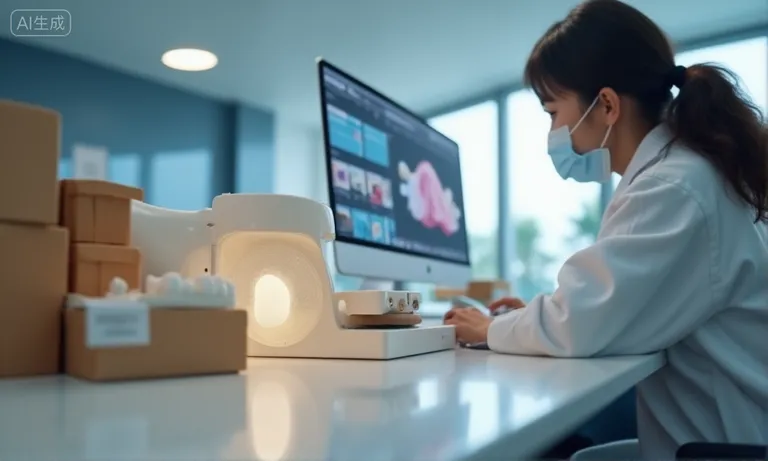
Traditional implant workflows slow down treatment because they depend on physical models, manual approvals, and multiple shipping steps. By digitizing these stages, dental labs eliminate delays, reduce remake risks, and speed up communication with clinics. The difference is especially clear for cross-border collaborations, where couriers and manual adjustments once made every case unpredictable.
Traditional-implant-workflow-bottlenecks
Stone models require impressions to be poured, set, packaged, and shipped, often adding several days before design even begins. Any breakage or deformation during transport forces a remake. With digital impressions, cases arrive instantly, and models can be printed locally within hours. Clinics no longer wait for couriers, which is why many dental practices now invest in digital scanners.
| Traditional Workflow Problem | Risk Impact on Clinics | Digital Workflow Advantage |
|---|---|---|
| Stone model distortion | Ill-fitting abutments → remake required | Digital scans preserve margins accurately |
| Manual data entry for orders | Mislabeling or missing info | Integrated e-forms auto-populate lab orders |
| Shipping damage | Model breakage requires re-pour | Files transmitted electronically, no physical damage |
As an overseas dental lab working with clinics in Europe and North America, we have seen how these risks used to consume time and cost. Digitization means fewer disputes and faster case approvals, giving clinics confidence in delivery schedules.
This collaborative flow eliminates the “back-and-forth shipping cycle” that once defined implant cases. When Raytops Dental Lab integrated real-time file exchange into its system, one multi-clinic DSO reported a 40% cut in approval time, making treatment planning significantly more predictable.
By removing stone models, manual risks, and courier delays, digital workflows resolve the main bottlenecks that clinics once struggled with. The result is not only shorter timelines but also a more reliable experience for both dentists and patients.
Accuracy is one of the main reasons clinics are shifting to 3D-printed implant workflows. Traditional model production introduces variables—expansion of stone, uneven setting, or manual trimming—that make outcomes less predictable. Digital files and 3D printing provide micron-level precision, repeatable quality, and reduced remake rates, which directly build confidence for both dentists and patients.
3D printers can replicate fine margins and angulations with tolerances under 50 microns. This means abutments and crowns seat more reliably on the first try. Clinics no longer face repeated adjustments to align margins or occlusion. According to Journal of Prosthetic Dentistry, 3D-printed models consistently outperform stone in dimensional accuracy. From our perspective as an overseas dental lab, this level of fit is critical when clients expect predictable delivery, especially for implant-supported bridges.
We have seen DSOs place weekly implant orders with confidence that each crown and abutment will meet the same accuracy benchmark, regardless of order size.
| Case Type | Traditional Workflow Remake Rate | 3D Printing Remake Rate | Impact on Clinics |
|---|---|---|---|
| Single-unit implant | ~8–10% | ~2–3% | Less chairside adjustment, faster delivery |
| Multi-unit bridge | ~12–15% | ~4–6% | Fewer remakes, smoother case planning |
Raytops Dental Lab tracked these improvements over a six-month period with one European distributor. By shifting fully to 3D-printed models, remake calls dropped by over 60%, which not only cut costs but also reassured the distributor’s clinic partners that their orders would be dependable.
By achieving precision, uniformity, and measurable reductions in remakes, 3D printing helps clinics view their lab partners as reliable collaborators, not just suppliers. This consistency is often the foundation of long-term cooperation.
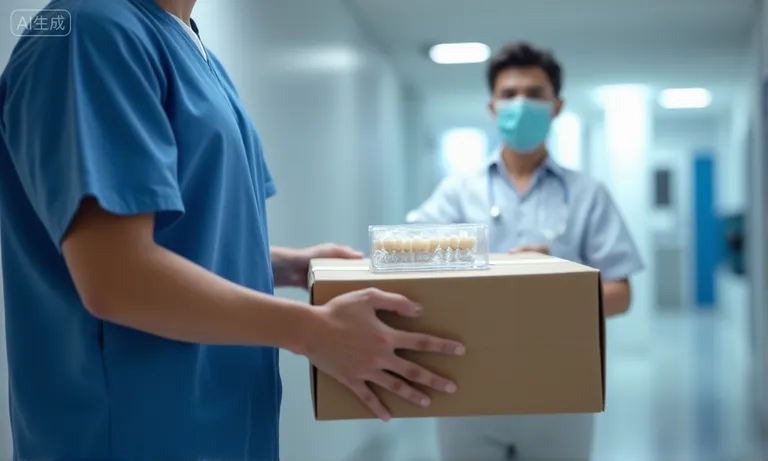
Digital and 3D-printed workflows are not just about convenience—they produce measurable time and cost savings that clinics can factor into procurement planning. Compared with conventional methods, digital submission and automated design cut several days off each case, while fewer remakes translate into more predictable budgets. These improvements are most visible for DSOs and multi-clinic groups that track efficiency across many cases.
Digital-vs-traditional-implant-turnaround-comparison
| Workflow Step | Traditional Timeline | Digital/3D Printing Timeline | Time Saved |
|---|---|---|---|
| Impression shipping | 3–5 days (international) | Instant digital upload | 3–5 days |
| Model production | 2–3 days | Overnight 3D print | 1–2 days |
| Design approval | 2–4 days by courier | Same-day digital approval | 2–4 days |
| Total Case Time | 10–14 days | 4–7 days | 6–7 days |
For clinics, this difference means faster treatment scheduling and fewer rescheduled patients. For labs, it frees up capacity to handle more cases per week.
A mid-sized DSO in Canada shifted its complex multi-unit implant cases to a digital workflow with an overseas dental lab. Previously, such cases averaged two and a half weeks for delivery, largely due to courier delays and remake adjustments. After digitization, turnaround dropped to nine days, with remake rates falling below 5%. For the client, this meant patients could start final restorations one full week earlier. Raytops Dental Lab documented this improvement as part of its client feedback program, helping the DSO standardize turnaround expectations across its clinics.
As Dental Economics notes, cost transparency is becoming a key decision factor for clinics evaluating suppliers. When labs can promise consistent accuracy, procurement managers can forecast budgets with greater confidence.
By quantifying savings in days and costs, clinics see digital workflows not only as a convenience but as a financial advantage. Reliable partners like Raytops Dental Lab demonstrate that efficiency can be measured and delivered consistently.
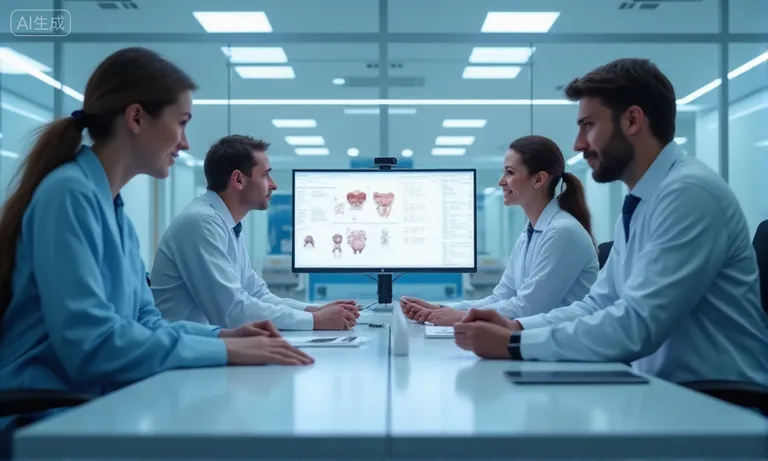
Short-term speed is important, but the real value of digital workflows lies in how they scale and sustain over time. A digitally-enabled dental lab doesn’t just process cases faster—it builds a foundation for clinics and DSOs to grow, integrate technologies, and continuously refine collaboration. This ensures that efficiency is not a one-time benefit but an ongoing partnership advantage.
Dental-lab-digital-collaboration-efficiency
Digital workflows allow labs to handle more cases without a proportional increase in manpower. Once scanners, CAD tools, and printers are in place, additional units can be processed in parallel. This is especially valuable for DSOs managing hundreds of implants per month. By scaling capacity digitally, an overseas dental lab can support growth without compromising turnaround or accuracy.
According to IDT Magazine, integration between scanners and CAD systems is now a primary factor when clinics evaluate long-term lab partners. This compatibility ensures smoother onboarding and less friction during procurement transitions.
Efficiency also comes from shared learning. Labs track remake rates, approval times, and delivery consistency, then use that data to adjust workflows. Clinics, in turn, share feedback on chairside performance. When Raytops Dental Lab collaborated with a European distributor on quarterly review calls, the result was a steady decline in remake incidents and a 15% faster approval cycle over one year. This kind of transparent exchange strengthens trust and secures long-term stability for both sides.
Long-term efficiency is achieved when labs act not only as suppliers but as ongoing collaborators. By scaling production, integrating seamlessly, and improving continuously, digitally-enabled labs help clinics maintain sustainable growth.
Digital workflows and 3D printing are transforming implant dentistry by making cases faster, more accurate, and more cost-efficient. For clinics and DSOs, the real advantage is not just speed but the ability to build long-term reliability into their supply chain. Consistency, lower remake rates, and scalable production give decision-makers confidence that each case will meet both clinical and business expectations. As an overseas dental lab, Raytops Dental Lab has seen how digital collaboration turns one-time improvements into sustained efficiency. For clinics seeking growth and predictable outcomes, partnering with a digitally-enabled lab is no longer optional—it is the standard for modern implant care.