
Strong communication and structured support systems are the cornerstones of a successful dental lab partnership. Clear contact points, standardized protocols, and responsive feedback reduce remakes, shorten turnaround, and give clinicians confidence in case outcomes. When workflows are aligned, practices and labs achieve consistent quality and predictable results.
Dental professionals often encounter barriers that threaten efficiency and profitability:
By prioritizing reliable communication protocols, responsive support systems, continuous training, and a culture of openness, practices can build partnerships that go beyond transactions. The right overseas dental lab relationship creates a collaborative framework that improves patient outcomes while driving long-term operational stability.
Strong communication and responsive support are the foundation of a reliable dental lab partnership. Clear exchanges reduce remake rates, ensure that restorations fit as planned, and give clinicians confidence in sending more cases. When communication breaks down, delays and costly rework can quickly erode both trust and profitability.
dental-lab-communication-team-support
Effective communication directly influences clinical outcomes. When margin lines, shade instructions, or implant system details are clarified in advance, the likelihood of remakes drops significantly. For example, in cases where a clinician provides incomplete STL files, a responsive lab can quickly request additional scans before production starts. This prevents wasted time and material costs, protecting the return on investment for both sides.
Strong support systems also accelerate turnaround. A lab that responds within hours rather than days enables clinicians to set realistic expectations with patients. This reliability builds confidence: dentists are more likely to send complex cases to labs that communicate proactively. From the lab perspective, it also stabilizes production planning, as fewer surprises mean smoother workflows. One overseas dental lab we worked with implemented a same-day query response rule, which shortened case turnaround by nearly two days across multiple practices. That operational gain translated directly into improved clinician trust.
In summary, strong communication and support not only solve immediate case issues but also reinforce long-term trust, efficiency, and profitability in lab–practice partnerships.
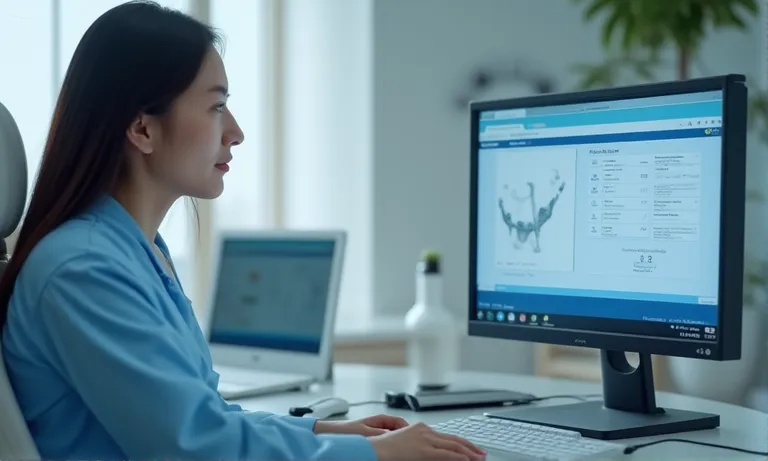
The most reliable dental lab partners make it easy for clinicians to communicate through multiple structured channels. From dedicated account managers to digital portals, each option plays a role in reducing errors and keeping turnaround predictable. A lab that offers clear pathways for communication helps practices save time, avoid misunderstandings, and manage patient expectations more confidently.
dental-lab-digital-communication-channels
For many practices, having a single point of contact makes communication straightforward. An account manager understands the clinic’s preferences, tracks case history, and provides timely updates. This role reduces the chance of miscommunication and gives clinicians a direct line to raise concerns. Larger dental service organizations (DSOs) especially benefit from structured account management, as one manager can coordinate across multiple practices while ensuring consistency.
Digital portals improve both speed and accuracy. A structured workflow typically follows these steps:
Flexibility matters because not every case requires the same response speed. Secure messaging apps allow for quick clarifications, while email provides a record for shade instructions or implant part numbers. Phone calls remain essential for urgent cases or complex implant coordination. By offering multiple options, labs ensure clinicians can choose the channel that best fits the urgency and complexity of each case.
When combined, these channels create a robust communication system that builds trust and minimizes delays. Practices that test each channel during trial cases often find that multi-channel support is a key indicator of a lab’s maturity and readiness for long-term collaboration.
Clear, standardized protocols reduce confusion between clinics and dental labs. By agreeing on documentation, escalation steps, and review routines, both sides can handle cases consistently and predictably. These systems not only prevent avoidable errors but also create a framework for smoother communication during high-pressure situations.

dental-lab-standardized-protocols-collaboration
Standard forms and documentation reduce guesswork. For example, incomplete scan data or missing shade guides are common issues that cause delays. The table below shows how a standardized checklist compares with unstructured submissions:
| Common Problem in Submissions | Standardized Protocol Solution |
|---|---|
| STL file missing opposing arch | Portal requires dual-arch upload before submission |
| Shade instructions only in text | Mandatory digital shade photo upload |
| Incomplete implant part details | Form requires system brand + lot number field |
This structure ensures that all critical information is provided before the lab begins production.
When problems arise, escalation protocols avoid finger-pointing and save time. A typical workflow may include:
Beyond daily operations, scheduled check-ins allow both sides to reflect on patterns. Monthly or quarterly reviews can highlight recurring submission errors, remake trends, or communication gaps. In our experience, one overseas dental lab client introduced bi-monthly case reviews with a large DSO, which cut remake rates by nearly 15% in three months. Such meetings transform reactive troubleshooting into proactive improvement.
By embedding standardized protocols, practices and labs move from ad-hoc problem solving to predictable, cooperative workflows. This stability is often what convinces clinicians to deepen partnerships with overseas labs.
Long-term partnerships rely on more than just consistent case delivery. They require robust support systems that help clinicians navigate complex restorations, monitor progress, and continuously improve collaboration. The most trusted overseas dental labs invest in technical expertise, real-time visibility, and structured feedback channels that scale with practice needs.

dental-lab-support-systems-long-term-partnerships
Clinicians often face challenges with full-arch implants, mixed-material cases, or angled abutments. Having access to experienced technicians who can interpret scans and recommend feasible workflows reduces uncertainty. One practice in Europe reported fewer delays after its partner lab set up a dedicated implant support team, ensuring that complex cases had expert oversight before production began.
Transparency during production helps clinicians plan chairside schedules. A step-by-step tracking system often includes:
Support is not just reactive—it is a continuous cycle of improvement. By documenting recurring issues and sharing feedback with clinicians, labs can identify patterns early. For example, a common error such as inconsistent bite registrations can be flagged, tracked, and resolved through shared guidelines. Practices that engage in structured feedback sessions with their labs see measurable drops in remake rates and turnaround delays.
For organizations managing multiple practices, a single account manager ensures that communication, technical support, and case tracking remain unified. This role helps coordinate priorities across sites, balancing case loads and standardizing submission protocols. In one collaboration, a U.S. DSO cut its average resolution time for escalated cases by 30% after appointing a lab-based account manager as its central liaison.
When these support systems are in place, partnerships move from transactional to strategic. They foster trust, reduce operational risk, and give practices confidence to scale with a stable overseas dental lab partner.
Training and education create a shared knowledge base between clinicians and dental labs. When both sides stay aligned on new workflows, materials, and techniques, case outcomes improve and misunderstandings decline. Continuous learning also signals a lab’s commitment to partnership, not just production.

dental-lab-training-education-collaboration
Hands-on workshops provide a space to clarify expectations and share best practices. For example, a training session on margin design tools within CAD/CAM platforms helps clinicians understand how their digital inputs affect lab workflows. This shared experience reduces technical missteps and builds confidence on both sides.
Education is most effective when it addresses evolving needs. Labs can support clinicians by offering:
Training is not one-directional. Labs that also listen and learn from clinicians’ chairside challenges create stronger alignment. In one REAL™ example, a mid-sized clinic in Australia shared recurring difficulties with bite registrations during a joint session. The lab adapted its QC checklist to flag those cases earlier, which cut remake rates by 12% over the following quarter. Such cross-learning turns training into a practical support system rather than a formality.
Ongoing training and education not only improve technical accuracy but also deepen trust. Practices that see their lab partners investing in shared knowledge are more likely to commit to long-term collaboration, confident that both sides are evolving together.
Transparency and trust are the foundation of sustainable lab–practice relationships. Without them, even the most advanced systems and technology cannot prevent misunderstandings or frustration. Open communication about capabilities, shared responsibility for results, and genuine relationship-building allow both sides to operate with confidence and resilience.

dental-lab-transparency-trust-partnership
No lab can be perfect at every service. When dental labs openly acknowledge where they excel and where they may need additional input, it prevents unrealistic expectations. For example, a lab might clarify that it can handle complex implant frameworks but needs extended turnaround for full-arch zirconia restorations. This honesty sets the stage for smoother collaboration.
Trust grows when both lab and clinician take ownership of outcomes. This often involves:
Long-term trust cannot be sustained on transactions alone. Informal check-ins, joint participation in dental conferences, or simple follow-up calls on complex cases help both sides see each other as partners, not just vendors and clients. In one REAL™ case, a European practice strengthened ties with an overseas dental lab by inviting technicians to a local training event. This informal gesture built mutual respect and created smoother collaboration on later high-value implant cases.
When transparency and trust are present, communication feels effortless, problems are resolved faster, and both sides view the partnership as strategic rather than transactional.
Before entering into a long-term partnership, practices need clear ways to test a dental lab’s communication and support systems. Evaluating real client experiences, running trial cases, and verifying service commitments help clinics reduce risk and make informed choices.

dental-lab-evaluate-communication-support
Testimonials and documented case studies give a first glimpse into how a lab performs under real conditions. Practices should look for details on turnaround time, support responsiveness, and how the lab handled complex or problematic cases. Stories that describe how issues were resolved are more valuable than perfect praise, as they reveal the lab’s true reliability.
A structured trial case provides practical insight:
Service level agreements (SLAs) formalize expectations. A comparison may look like this:
| SLA Area | Strong Lab Partner | Weak Lab Partner |
|---|---|---|
| Response time to queries | < 12 hours | > 48 hours |
| Remake policy | Clear, written, no hidden fees | Vague or verbal only |
| Escalation path | Documented with named contacts | No defined process |
By examining these commitments, practices can ensure the lab’s promises align with their operational needs.
Evaluating communication and support before committing allows practices to see how a lab behaves in reality, not just in sales pitches. Clinics that test and verify early are far more likely to build stable, long-term relationships with overseas dental labs that deliver on their promises.
Strong communication and responsive support define the difference between a transactional vendor and a strategic dental lab partner. Clear protocols, dedicated account management, and ongoing training reduce remakes, shorten turnaround, and give clinicians confidence to scale care without disruption. Transparent systems and trust further strengthen cooperation, ensuring issues are solved quickly and relationships remain stable. For practices evaluating global options, partnering with an overseas dental lab that demonstrates structured support and communication is not only a safeguard against risk but also a pathway to sustainable growth.