
Outsourcing full arch implant cases to overseas dental labs has become a proven strategy for reducing costs and increasing efficiency. By leveraging lower labor rates and reduced operating expenses abroad, clinics avoid major capital investments in CAD/CAM equipment, 3D printers, and staffing infrastructure. At the same time, established international labs provide the scale, specialization, and digital capabilities that would otherwise require significant upfront expenditure.
Key cost-saving drivers include:
When viewed together, these factors shift outsourcing from a short-term cost tactic into a strategic procurement decision. Practices gain financial flexibility, scalability, and predictable collaboration, turning fixed overhead into variable, controllable expenses. The outcome is greater efficiency, reduced long-term risk, and the ability to reinvest resources into patient care and sustainable growth—all while maintaining confidence in the consistency and quality of outsourced restorations.
The most immediate reason clinics consider outsourcing is the direct cost gap between overseas dental labs and local providers. This gap is driven by differences in labor rates, overhead, and staffing expenses. For procurement managers, these savings are often visible in the very first quote, making overseas outsourcing an attractive cost-control option.
Dental-lab-cost-comparison-overseas-vs-local
Labor is one of the largest drivers of cost in dental labs. Overseas labs—especially in regions such as China or Mexico—operate with significantly lower technician wages compared to North America or Europe. These savings directly translate into lower unit pricing for full arch cases. For clinics managing multiple implants or full-arch restorations. According to the National Association of Dental Laboratories (NADL) 2022 Industry Report, labor rates in overseas labs can be 25–35% lower than in the U.S., creating direct per-case savings for practices.
Local labs often face high rent, insurance, and compliance costs, which are passed on to clinics. Overseas dental labs benefit from lower operational overhead, such as facility expenses, utilities, and regulatory burdens. This allows them to allocate more resources to production without inflating base fees. From a procurement standpoint, this structural difference in overhead is one of the clearest cost advantages.
Running a dental lab in-house requires hiring, training, and retaining skilled technicians. Each technician adds not only salary but also HR overhead, benefits, and ongoing training costs. By outsourcing to an overseas lab, clinics avoid these recurring obligations. This shifts the expense from fixed payroll to a variable cost model, where practices pay only for completed cases. For procurement managers, this flexibility reduces long-term financial commitments and simplifies budgeting.
For example, clinics that partnered with overseas labs like Raytops Dental Lab reported lowering their per-case costs by focusing on external collaboration rather than maintaining full-time in-house staff. Industry groups such as the National Association of Dental Laboratories (NADL) also highlight labor and overhead differences as a key factor shaping international outsourcing trends.
When procurement teams compare overseas and local providers side by side, the direct savings from labor and overhead differences are often the strongest argument for outsourcing.
Outsourcing full arch implant cases removes the need for clinics to fund and maintain their own laboratory infrastructure. Instead of tying up capital in equipment and ongoing overhead, practices can redirect resources toward patient care and case management. For procurement managers, this shift transforms lab production from a fixed investment into a flexible, on-demand service.

Dental-lab-outsourcing-avoid-investment
CAD/CAM milling machines, 3D printers, and intraoral scanner integrations require large upfront investments, often reaching hundreds of thousands of dollars. These machines also have limited lifespans, meaning clinics face repeat expenditures every few years. By outsourcing, practices avoid this cycle of purchase, depreciation, and replacement, paying instead for completed restorations on a case-by-case basis.
| Risk Factor | In-House Model | Outsourcing Model |
|---|---|---|
| Equipment depreciation | Capital tied up, vulnerable to obsolescence | No ownership cost, lab bears the risk |
| Technician turnover | Ongoing hiring, training, HR overhead | Externalized to lab partner |
| Utilization rate | Idle equipment drives sunk costs | Pay only for active cases |
For many clinics, outsourcing to an overseas dental lab replaces unpredictable fixed costs with a stable, variable pricing structure. This makes financial planning more reliable and shields practices from risks tied to technology cycles or staffing challenges.
Large overseas dental labs achieve savings that smaller local providers or in-house operations cannot match. By leveraging bulk material purchasing, specialized teams, and optimized workflows, these labs spread costs across higher volumes and improve efficiency. For procurement managers, this translates into lower per-case pricing without compromising quality.

Dental-lab-economies-of-scale-efficiency
Full arch restorations are among the most complex cases in dentistry. Large overseas labs often run dedicated teams focused solely on implant-supported prosthetics. This specialization means technicians repeat similar workflows daily, improving speed and accuracy. For clinics, it results in more predictable turnaround and fewer remakes. From a procurement perspective, this reduces both direct and hidden costs tied to errors or delays.
| Factor | Small Local Lab | Large Overseas Lab |
|---|---|---|
| Technician availability | Limited, often multitasking across case types | Dedicated teams with higher case throughput |
| Equipment utilization | Machines may sit idle between cases | Continuous production runs maximize efficiency |
| Turnaround consistency | Variable, affected by capacity limits | Standardized processes ensure reliable delivery windows |
By combining scale and specialization, overseas dental labs reduce per-unit costs while maintaining consistency. This makes them particularly well-suited for clinics and procurement teams managing high volumes of full arch implant cases.
Digital workflows are no longer just a technical upgrade—they are a cost-control mechanism for clinics outsourcing full arch implant cases. From file transfer to CAD/CAM production and digital tracking, each layer of integration reduces errors, improves efficiency, and ultimately saves money. For procurement managers, the value lies in fewer remakes, streamlined communication, and better predictability in case management.

Dental-lab-digital-workflow-savings
When practices and labs use compatible software formats, design files transfer without conversion errors. This reduces the risk of margin inaccuracies or lost data during exchange. It also saves technician hours otherwise spent on file adjustments. For outsourcing cases, smooth compatibility shortens turnaround time and lowers hidden costs tied to communication delays.
| Feature | Benefit for Clinics | Benefit for Labs |
|---|---|---|
| Real-time updates | Practices know exactly where each case is in production | Fewer status inquiries free up staff time |
| Automated alerts | Notifications prevent delays or miscommunication | Helps labs stay on schedule with high-volume orders |
| Case history records | Enables quick reference for repeat or similar cases | Supports quality assurance and continuous improvement |
By aligning digital tools across borders, overseas dental labs make outsourcing smoother and more reliable. This not only saves money in the short term but also builds confidence in scaling long-term collaborations.
Outsourcing to overseas dental labs creates significant cost advantages, but logistics and regional dynamics determine the true value of those savings. Shipping, customs, and turnaround time must be carefully balanced, while regional differences across outsourcing hubs shape both pricing and reliability. For procurement teams, these factors decide whether the quoted savings translate into real-world efficiency.

Dental-lab-logistics-costs-regional-differences
International outsourcing introduces extra layers of expense beyond lab fees. Practices must account for express courier costs, customs declarations, and import duties. These charges vary by destination country and shipment size, sometimes adding 5–10% to the total case cost. While still often cheaper than local pricing, these logistics costs should be included in budget planning.
| Factor | China | Mexico | Other Hubs (e.g., Eastern Europe) |
|---|---|---|---|
| Base lab fees | Lowest due to scale and labor advantage | Competitive, especially for U.S. clinics | Moderate, depending on local wages |
| Shipping time | 3–5 days via express couriers | 1–3 days for North America | 3–7 days depending on destination |
| Customs duty | Varies by market, manageable with experience | Lower for U.S. imports under trade agreements | Variable, often higher in EU |
Regional selection often depends on balancing cost against delivery reliability. Clinics partnering with Chinese dental labs, for example, benefit from scale and lowest unit costs, while North American practices may also weigh Mexico’s faster delivery. Procurement managers who map these trade-offs can unlock the full financial benefits of outsourcing.
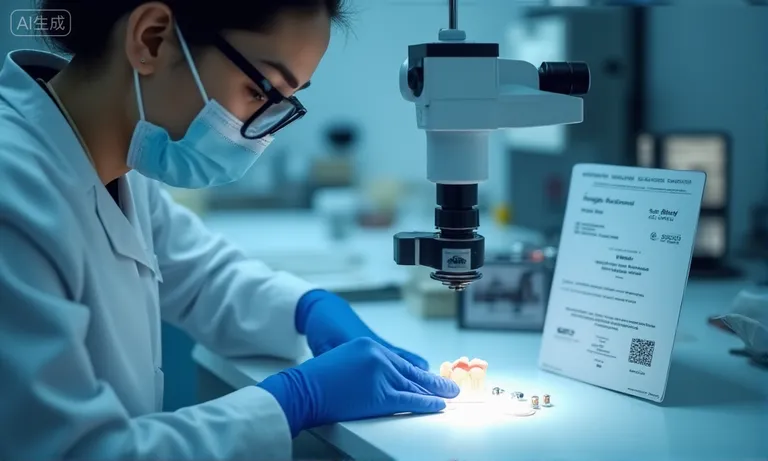
While outsourcing can reduce immediate costs, long-term savings depend heavily on quality assurance (QA) and remake policies. Poorly controlled processes often create hidden expenses through remakes, delays, and dissatisfied patients. By working with labs that prioritize QA and compliance, procurement teams reduce financial risk and build sustainable cost efficiency.
Dental-lab-quality-assurance-cost-savings
Each remake doubles the cost of materials, technician time, and shipping. Delays in delivering final restorations also increase chairside time and can undermine patient trust. Procurement managers must account for these hidden costs, which often outweigh any short-term savings from lower initial quotes. A lab with higher upfront fees but lower remake rates usually provides greater long-term value.
| Policy Type | Impact on Clinics | Impact on Labs |
|---|---|---|
| Warranty coverage | Reduces unexpected replacement costs | Encourages accountability |
| Free remake terms | Limits budget impact from technical errors | Incentivizes accuracy upfront |
| Clear claim process | Minimizes delays and admin costs | Streamlines case resolution |
Labs with transparent warranty and remake policies make procurement planning more predictable. This clarity helps practices forecast expenses with confidence, rather than setting aside contingency funds for uncertain remake risks.
Beyond technical savings, the commercial model of cooperation determines whether outsourcing delivers predictable long-term benefits. Procurement managers must weigh one-off outsourcing against structured partnerships, consider OEM/ODM agreements, and evaluate contract flexibility. The right model shifts outsourcing from a cost-cutting tactic into a strategic financial advantage.

Dental-lab-commercial-models-cost-savings
One-off outsourcing provides short-term flexibility but comes with higher per-unit pricing and inconsistent availability. Long-term partnerships, by contrast, allow labs to plan capacity, offer volume discounts, and provide more consistent turnaround. For procurement teams, the stability of long-term agreements often offsets the perceived freedom of occasional outsourcing.
| Contract Factor | Impact on Pricing | Impact on Procurement |
|---|---|---|
| Bulk orders | Lower per-unit fees due to economies of scale | Helps clinics align multiple locations under one cost plan |
| Flexible contracts | Adjust volumes seasonally without penalty | Reduces risk of over-commitment |
| Rigid contracts | Lock in discounts but reduce adaptability | Require strong forecasting |
The commercial model ultimately defines how outsourcing aligns with a clinic’s financial goals. For example, one mid-sized U.S. clinic partnering with Raytops Dental Lab lowered its outsourcing expenses by nearly 12% annually through a bulk order agreement, while also achieving a 8% reduction in remake rates within the first year. These improvements gave the clinic more predictable budgeting and greater confidence in scaling implant cases..
Outsourcing full arch implant cases to overseas dental labs is not just about lowering unit prices—it is about reshaping procurement into a more efficient, scalable, and predictable model. By reducing direct labor and overhead, avoiding capital investments, leveraging economies of scale, and ensuring quality through structured QA systems, outsourcing provides long-term financial stability. For procurement leaders, the most strategic gains come from aligning with a lab partner that combines cost efficiency with consistent delivery. Collaborating with an experienced overseas dental lab such as Raytops Dental Lab turns outsourcing into a tool for sustainable growth, helping clinics secure both economic and operational advantages in today’s competitive dental market.