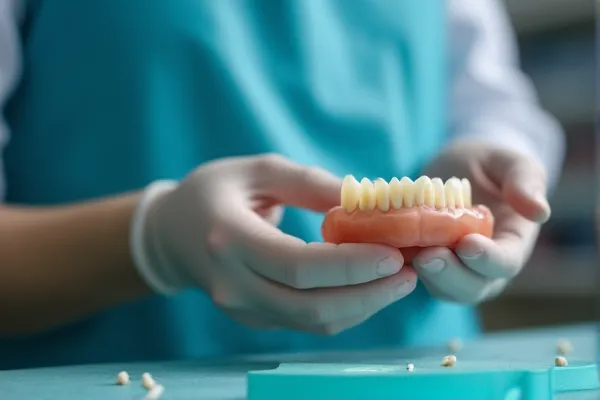
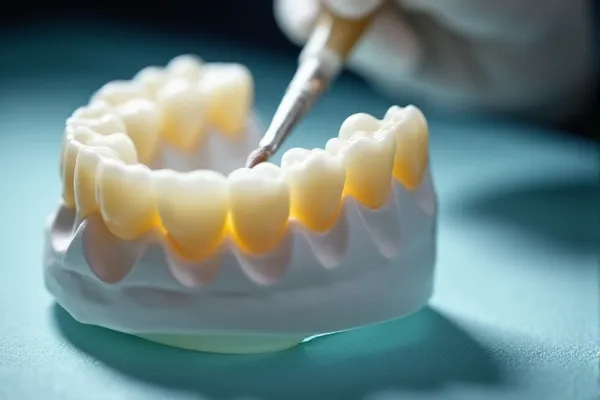
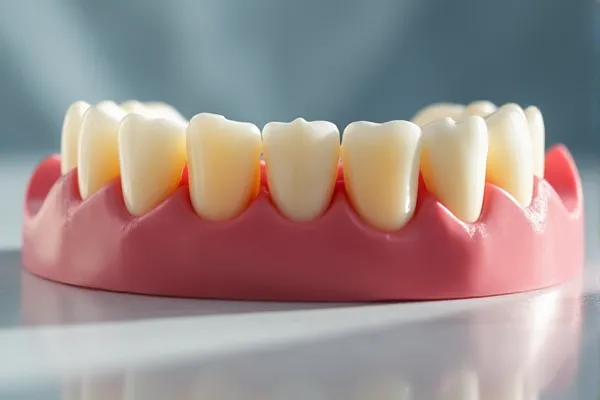
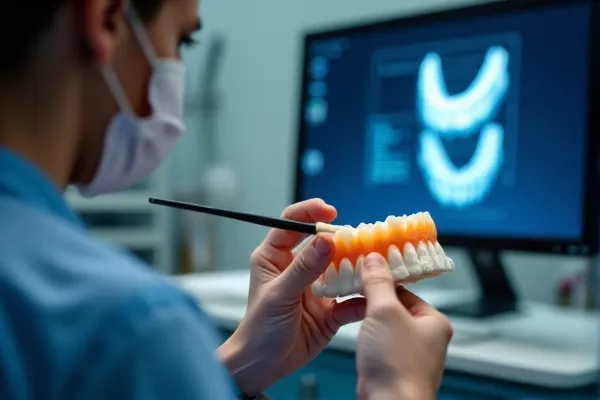
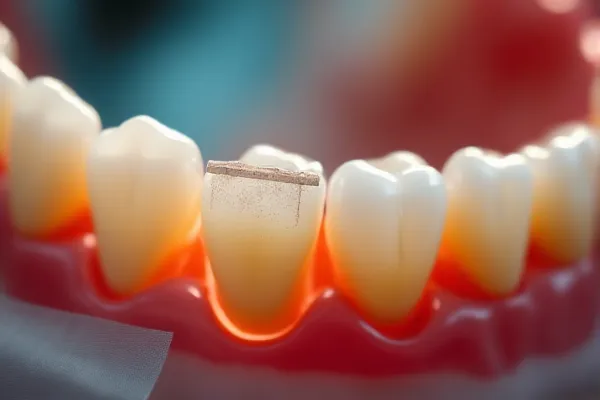
Generic restorations fall short when esthetic demands and clinical realities collide in the anterior zone. Without precise customization, even high-quality materials like Hi-Noble alloys can result in crowns that appear flat or mismatched. By combining material science with layered artistry, customized Hi-Noble PFM crowns can deliver lifelike results that meet both clinical and patient expectations.
Hi-Noble PFM crowns can be customized for natural-looking esthetic results through precise shade selection, layered porcelain techniques, and detailed surface texturing. Customization also includes adjusting translucency, contour, and stain effects to mimic natural enamel and ensure harmony with adjacent teeth, especially in anterior and high-visibility zones.
What esthetic factors influence the customization of Hi-Noble PFM crowns?
Natural-looking PFM crowns depend on precise control of shade, translucency, and surface texture. These elements must work together to create restorations that harmonize with adjacent teeth and meet patients’ visual expectations.
PFM-Crown-Esthetic-Customization
How does shade matching affect the appearance of Hi-Noble PFM crowns?
Accurate shade selection is critical to ensure the crown blends with surrounding dentition. Key factors include:
Lighting environment: Shade matching must be done under color-corrected lighting to avoid mismatches.
Base alloy tone: The underlying Hi-Noble alloy’s warmth or coolness can subtly affect final shade.
Porcelain selection: Different ceramic systems have varying opacities and shade behaviors.
Layer sequencing: Chromatic depth is built through enamel and dentin layering, not surface stain alone.
Use of shade modifiers: Tints and modifiers help fine-tune value and hue, especially in incisal thirds.
In what ways does translucency influence esthetic outcomes in Hi-Noble PFM crowns?
Translucency affects how light passes through and reflects from the crown, mimicking natural enamel behavior:
Cervical vs incisal design: More opacity in the cervical zone provides masking; increased translucency in incisal areas adds life.
Core masking strategies: Opaquer layers must mask the metal substructure without creating a flat appearance.
Anatomical contouring: Thinner porcelain in transitional zones requires careful control to maintain natural light play.
Enamel layering techniques: Translucent enamels can simulate age-related characteristics like halo effects.
How does surface texture contribute to the visual appeal of PFM crowns?
Texture interacts with light and adds realism beyond color alone. Key texture details include:
Luster control: Polishing techniques define whether the finish appears youthful (glossier) or aged (matte).
Depth through contour: Rounded lobes and line angles give the crown volume and life.
Consistent directionality: Texture must follow natural growth patterns to avoid artificial appearance.
The most esthetic Hi-Noble PFM crowns result from a balance of color science, layered translucency, and detailed surface anatomy—each reinforcing the illusion of natural enamel.
What customization approaches support esthetics in anterior Hi-Noble PFM crowns?
Achieving lifelike esthetics in anterior Hi-Noble PFM crowns requires a tailored combination of design, layering, and shading techniques. Each crown must harmonize with the patient’s dentition while withstanding functional demands in the smile zone.
Anterior-PFM-Crown-Customization
What design choices help create natural-looking anterior PFM crowns?
The foundation of esthetic customization lies in the design stage. For anterior crowns, labs focus on:
Tooth-specific morphology: Matching incisal edges, embrasures, and lobe forms based on natural tooth reference.
Minimal metal exposure: Labial porcelain shoulder designs help eliminate gray lines at the gingiva.
Optimized porcelain thickness: Ensures layering space for translucency while maintaining strength.
Incisal translucency windows: Strategic thinning in incisal areas mimics natural halo and translucency.
Facial contouring: Proper line angles and curvature influence how light flows across the crown.
Why are layering and staining techniques important for esthetic crown results?
Layering builds optical depth, while staining fine-tunes value and chroma. Together, they create realism:
Multi-layer approach: Dentin, enamel, and incisal effects are layered separately to simulate internal structure.
Surface stain accents: Used to blend crown with neighboring teeth under various lighting.
Fired consistency: Repeatable firing cycles avoid color shift between multiple units.
How are shade and opacity adjusted for anterior Hi-Noble PFM crowns?
Achieving the right balance of color and masking is critical for anterior success:
Assess stump shade: Guides how much opaquer coverage is needed to neutralize underlying tone.
Select base shade: Choose ceramic system and core color aligned with target A-D/VITA shade.
Apply opaquer layers: Layered evenly to mask metal without creating visual opacity.
Build dentin and enamel layers: Apply in anatomical sequence to reflect light naturally.
Adjust with modifiers: Use cervical, incisal, and internal tints to finalize shade harmony.
Anterior esthetics require lab-clinic collaboration. To evaluate our anterior customization capabilities, you can request a sample case evaluation based on your most common anterior restoration profiles.
How do Hi-Noble PFM crowns compare to full ceramics in esthetics?
While full ceramic crowns are often favored for esthetics, modern Hi-Noble PFM crowns can deliver highly lifelike results with added strength. The key differences lie in how light interacts with the materials and how well each suits clinical demands.
PFM-vs-Full-Ceramic-Esthetics-Comparison
What esthetic differences exist between Hi-Noble PFM and full ceramic crowns?
Understanding the visual distinctions helps clinicians and labs align on the right material per case:
Translucency: Full ceramics allow more light transmission, while PFM crowns use opaquer layers to mask metal cores.
Depth of color: Full ceramics offer greater internal light diffusion; PFMs rely more on surface and layered effects.
Gingival blending: Ceramic crowns may blend more seamlessly at the margin, especially with subgingival placement.
Fluorescence response: Some ceramic systems match natural fluorescence better; modern PFMs can approach this with advanced ceramics.
Esthetic margin options: PFMs with porcelain margins can reduce visible gray lines but require precise prep and lab design.
What advantages do Hi-Noble PFM crowns offer in strength and esthetics?
Hi-Noble PFMs strike a balance between visual harmony and mechanical reliability:
Reinforced core strength: The metal framework resists fracture under functional loads.
Thin preparation possible: Less aggressive tooth reduction while maintaining crown strength.
Layered esthetics: Skilled ceramic layering techniques help PFMs mimic the esthetics of full ceramics.
Better masking of dark preps: Opaque layers more effectively conceal discolored stumps or metal posts.
Reliable in multi-unit bridges: PFMs maintain esthetics even when used in functionally demanding restorations.
How does the metal substructure affect esthetic outcomes in PFM crowns?
The metal core adds strength, but its influence on esthetics must be carefully managed:
Opaquer layering: Proper opaquer application is essential to prevent gray show-through.
Porcelain build-up: Layering must compensate for the light-blocking nature of the metal.
Alloy color: Hi-Noble alloys have a warm base tone that’s easier to mask than non-precious metals.
Light reflection: Slightly different reflectivity can be balanced with custom staining and surface texture.
✅ Hi-Noble PFM crowns can achieve esthetic results close to full ceramics – TRUE With skilled layering, warm-toned alloys, and margin design, PFMs can visually rival all-ceramic crowns in many cases.
❌ PFM crowns always look less natural than full ceramics – FALSE When customized properly, PFMs offer natural color, translucency, and texture—especially in mixed or posterior-anterior cases.
What techniques enhance the esthetic customization of Hi-Noble PFM crowns?
Refining the esthetics of Hi-Noble PFM crowns involves more than color—it requires techniques that shape how light, form, and shade work together. From digital design to manual staining, these strategies help crowns integrate naturally with surrounding teeth.
Esthetic-Customization-Techniques-PFM
How do staining techniques enhance the natural look of PFM crowns?
Staining refines final details and brings subtle realism. Key applications include:
Hue balancing: Minor tinting adjustments align the crown with adjacent teeth.
Cervical warmth: Adds natural depth near the gumline using internal or surface stains.
Incisal edge enhancement: Translucent bluish or amber tones recreate halo and age effects.
Mimicking internal structures: Crack lines, white spots, and mamelons add toothlike character.
Lighting behavior: Stains can adjust how the crown reflects light under different conditions.
How does CAD/CAM technology support esthetic customization of PFM crowns?
Digital design helps ensure both esthetic precision and reproducibility:
Precise tooth morphology: CAD ensures line angles, lobes, and proportions match patient reference models.
Controlled coping thickness: Maintains even porcelain layers, reducing esthetic distortion from uneven depth.
Consistent spacing for layering: Digital design allows targeted room for enamel and dentin buildup.
Mirror-matching contralateral teeth: AI-assisted mirroring enables high esthetic symmetry in anterior cases.
Pre-checking occlusion and contours: Prevents overbuilt zones that can flatten esthetics.
How does contour customization improve visual integration of PFM crowns?
Shape defines light behavior—correct contours are critical for natural appearance:
Line angle positioning: Shifts perceived tooth width and light reflection pattern.
Emergence profile control: Helps blend the crown seamlessly with the soft tissue and adjacent teeth.
Age-specific adjustments: Younger profiles often have more defined lobes, while mature ones appear flatter and more polished.
Patient-specific smile design: Final contour reflects not just anatomy, but lip dynamics and smile zone.
Esthetic excellence in PFM crowns is a synergy of digital planning, artistic control, and detailed surface work—all aimed at creating crowns that don’t just fit but belong.
How do Hi-Noble PFM crowns perform in strength and esthetics for posterior use?
Hi-Noble PFM crowns combine mechanical reliability with tailored esthetics, making them suitable for posterior restorations. When properly designed, they withstand heavy occlusal forces while maintaining a natural appearance in visible smile zones.
Posterior-PFM-Crown-Strength-Esthetics
How is strength balanced with esthetics in posterior PFM crowns?
Posterior restorations must resist load without compromising appearance. Key balancing strategies include:
Minimal metal display: Strategic porcelain coverage hides the coping even in shallow bites.
Optimized cusp coverage: Porcelain support zones are reinforced to resist fracture under chewing force.
Shading depth in occlusal anatomy: Color layered into fissures maintains esthetics even after wear.
Correct occlusal design: Prevents stress concentrations that compromise both strength and esthetic glaze.
Slight surface texturing: Enhances visual integration while preserving a polishable surface.
How do Hi-Noble alloys enhance the durability of posterior crowns?
The choice of alloy plays a key role in structural longevity. Hi-Noble systems offer:
High modulus of elasticity: Reduces flexing under pressure, protecting the porcelain.
Excellent bond compatibility: Optimized for ceramic bonding strength under ISO 9693.
Corrosion resistance: Maintains long-term integrity in moist posterior conditions.
Warm metal tone: Minimizes visual compromise if minor exposure occurs.
Biocompatibility: Proven long-term soft tissue tolerance in posterior regions with less esthetic control.
What customizations support long-term performance in posterior PFM crowns?
Posterior crowns benefit from specific steps during design and fabrication:
Case type selection: Determine if full-coverage or partial coverage is indicated based on occlusion.
Coping design: CAD-controlled coping ensures support in high-stress areas like functional cusps.
Layering thickness calibration: Porcelain is applied with thicker dentin zones in load-bearing regions.
Stain-firing cycle control: Avoids microcracks that reduce long-term integrity.
Final polish protocol: Smooth finishes reduce wear on opposing teeth and prevent plaque retention.
✅ Hi-Noble PFM crowns offer both strength and esthetics for posterior restorations – TRUE When designed correctly, they deliver structural resilience without sacrificing natural visual integration.
❌ Posterior crowns don’t need esthetic customization – FALSE Even in less visible zones, proper color, contour, and finish impact patient satisfaction and overall smile harmony.
How does patient preference shape the customization of Hi-Noble PFM crowns?
Esthetic customization of Hi-Noble PFM crowns must reflect not only clinical judgment but also the patient’s expectations. Factors like shade perception, smile line visibility, and lifestyle influence both design choices and communication strategies.
Patient-Preference-Dental-Customization
What expectations influence esthetic customization choices in PFM crowns?
Each patient brings unique concerns to the process, including:
Desire for naturalness: Patients often request a crown that “doesn’t look like a crown.”
Color matching concerns: Sensitivity to minor mismatches in shade, especially in anterior teeth.
Lifestyle influences: Public-facing professionals or younger patients may prefer higher translucency and brightness.
Cultural esthetic norms: In some regions, lighter or glossier smiles are more desirable.
Previous restoration experience: A past poor outcome can heighten sensitivity to detail.
How is esthetic customization balanced with functional priorities?
While patients may prioritize looks, clinical factors must guide the balance. Strategies include:
Material education: Explaining why full translucency may reduce strength in load-bearing areas.
Zone-specific design: Anterior esthetics can be maximized while posterior zones emphasize durability.
Compromise solutions: Using slightly opaquer ceramics to hide dark stumps without sacrificing color integrity.
Digital previews: Mock-ups help set realistic expectations about how form and shade work together.
Restoration type matching: Ensuring bridges or adjacent crowns share esthetic and structural logic.
What strategies improve communication of esthetic customization options?
Clear dialogue ensures alignment between lab, clinician, and patient:
Use of shade photos: Reference photos under natural and lab lighting enhance color accuracy.
Written preference forms: Patients can specify gloss level, texture, or shade preferences in advance.
Try-in appointments: Temporaries or bisque try-ins allow feedback before final firing.
Expectation framing: Clarify technical limits early to avoid dissatisfaction.
Case documentation for lab: Detailed digital notes and intraoral images help the lab translate preferences into design.
Patient preference should be viewed as a guide, not an obstacle—it helps ensure the crown not only functions well but also feels truly personalized.
How to choose a reliable lab for customized Hi-Noble PFM crowns?
A reliable dental lab is critical to achieving consistent esthetic and functional outcomes with Hi-Noble PFM crowns. Beyond credentials, labs should demonstrate precision, communication, and long-term consistency in handling customized restorations.
Dental-Lab-Selection-Custom-PFM
What lab capabilities support high-quality PFM crown customization?
Advanced customization depends on technical infrastructure and workflow maturity:
Skilled ceramic layering team: Experienced technicians who specialize in esthetic zones.
Digital design integration: CAD/CAM systems allow accurate coping and porcelain space planning.
Consistent material sourcing: Use of FDA-listed and ISO-certified alloys and ceramics.
Case-specific contouring protocols: Personalized shaping based on patient age, tooth type, and smile line.
Shade communication systems: Standardized shade photography, reference libraries, and digital matching tools.
How can esthetic outcomes reflect a lab’s customization expertise?
The quality of esthetic outcomes is a visible indicator of a lab’s true capabilities:
Surface texture realism: Natural microtexture and light behavior show attention to enamel replication.
Marginal adaptation: Invisible crown-to-tooth transitions reflect precise design and fabrication.
Harmony across units: Multitooth restorations share consistent shade, translucency, and contour.
Case photography: High-quality before/after images show real-world esthetic performance.
Longevity in appearance: Crowns that maintain color and luster over time reflect quality firing and finishing.
What factors ensure consistency and quality in customized PFM crowns?
Reliability isn’t about one perfect case—it’s about repeatable excellence. Look for:
Documentation discipline: Every case includes batch numbers, shade guides, and work orders.
QC checkpoints: Independent inspection stages before shipping.
Open technician access: Direct line to those building your case speeds adjustments and problem-solving.
Remake rate transparency: Labs willing to share remake statistics show confidence in process quality.
Collaborative review process: Regular feedback and adjustments improve case outcomes over time.
To assess whether a lab is ready to meet your customization standards, request sample cases and documentation protocols. This allows you to verify their esthetic consistency, communication practices, and alignment with your clinical goals.
Conclusion
Customization transforms Hi-Noble PFM crowns from functional restorations into lifelike components of a confident smile. Through a blend of technical precision, layering artistry, and collaborative planning, dental labs help clinicians achieve esthetics that meet patient expectations without compromising structural integrity.
Patient preferences guide esthetic decisions through shade feedback, gloss selection, and personalized design expectations.
A reliable customization lab ensures batch-to-batch consistency, expert communication, and repeatable esthetic quality under regulated standards.
At Raytops Dental Lab, we combine digital precision with ceramic artistry to deliver customized Hi-Noble PFM crowns designed to meet the unique esthetic demands of each case. Request a customization consultation to explore how we support your clinical vision.