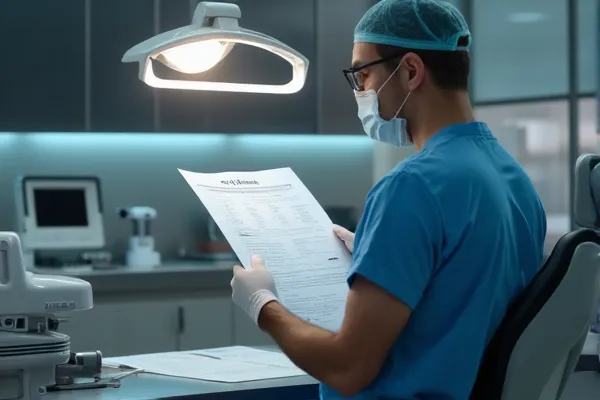
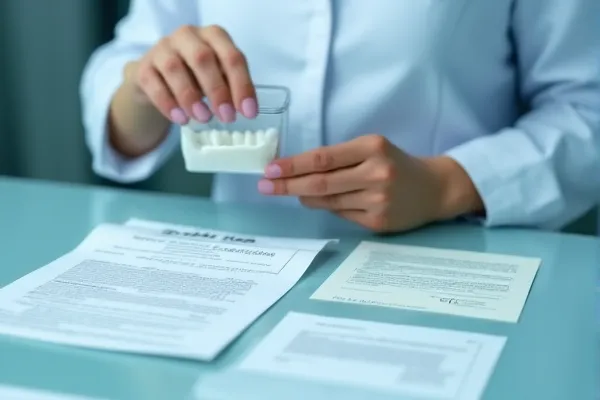
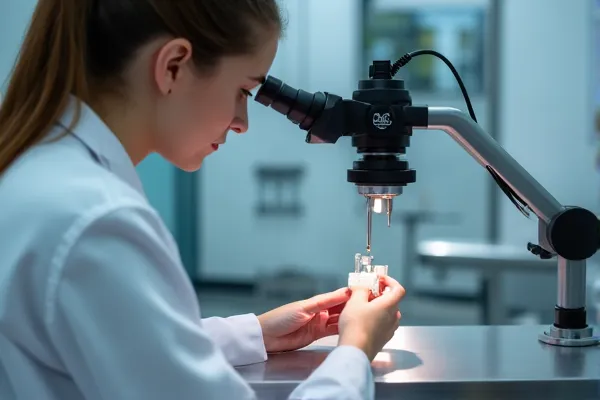
Regulatory gaps in dental restorations can compromise both clinical outcomes and patient trust. Non-compliant crown materials may lead to unpredictable reactions, legal exposure, and costly remakes. By verifying FDA and ISO alignment, clinics gain predictable quality and defensible documentation while ensuring patient safety and long-term practice integrity.
Clinics can confirm Hi-Noble PFM crowns comply with FDA and ISO standards by reviewing FDA registration, biocompatibility reports, and ISO certification documents. Key compliance elements include documented alloy composition, bond strength testing, traceable production records, and valid ISO 13485 certification confirming quality system management and material consistency.
What standards ensure Hi-Noble PFM crowns are FDA and ISO compliant?
To meet regulatory expectations, Hi-Noble PFM crowns must comply with both FDA and ISO frameworks, which define safety, biocompatibility, and manufacturing process controls. These standards help clinics verify that restorations are safe for patient use and manufactured under controlled, traceable systems.
Dental-Lab-FDA-ISO-Compliance-Audit
What are the key FDA regulations for crown materials?
The FDA classifies PFM crowns as Class II medical devices, requiring compliance with specific material safety and manufacturing controls. Clinics sourcing Hi-Noble crowns should confirm these requirements are met:
Biocompatibility (per ISO 10993 series): The FDA mandates testing for cytotoxicity, sensitization, and irritation.
Material traceability: Manufacturers must document alloy composition and origin.
Good Manufacturing Practices (GMP): Required under 21 CFR Part 820, covering quality system regulation.
Device listing & registration: The dental lab must be registered with the FDA and list the product code for the crown type.
510(k) exemption compliance: While most PFM crowns are 510(k) exempt, they must still meet design control and labeling requirements.
How does ISO certification apply to crown material selection?
ISO certification verifies that the lab’s systems and material sourcing follow globally accepted medical device standards. The following comparison outlines key ISO standards relevant to Hi-Noble PFM crowns:
ISO Standard
Application in Hi-Noble Crowns
ISO 13485
Quality management for medical device manufacturing
ISO 22674
Specifies dental alloy categories and mechanical property limits
ISO 9693
Evaluates metal-ceramic bond strength
ISO 10993 series
Covers biological evaluation of medical materials
These standards ensure consistent material performance and controlled processes.
Why does compliance matter for dental crown materials?
Compliance is not just about paperwork—it protects patient outcomes and clinic reputation. Clinics should prioritize FDA and ISO-compliant crowns for these reasons:
Patient safety: Reduces risks of allergic reactions or material failures.
Legal protection: Shields clinics from non-compliance liability and recalls.
Predictable quality: Ensures stable mechanical performance across batches.
Professional credibility: Signals that the clinic values regulated, validated restorations.
✅ ISO and FDA standards define different but complementary quality requirements – TRUE ISO focuses on process control and material evaluation, while FDA ensures legal and biocompatibility compliance for U.S. patients.
❌ FDA approval alone guarantees global compliance – FALSE FDA approval does not replace ISO certification, especially in regions where ISO 13485 is mandatory for import or insurance reimbursement.
How is FDA compliance validated for Hi-Noble PFM crowns?
FDA compliance for PFM crowns is confirmed through manufacturer registration, documented testing, and product labeling aligned with Class II medical device standards. Clinics can verify this compliance by reviewing FDA registration, testing data, and batch-level documentation.
Dental-Lab-FDA-Testing-Certification
What is the FDA approval process for PFM crowns?
Although most PFM crowns are 510(k) exempt, they must follow structured regulatory validation under FDA Class II device rules. The process includes:
Establishing device classification: PFM crowns fall under FDA product code EJJ.
Registering the facility and listing the device: Manufacturers must be listed in the FDA Establishment Registration & Device Listing database.
Demonstrating biocompatibility: According to ISO 10993 series, especially cytotoxicity and irritation tests.
Implementing a quality system (QSR): Required under 21 CFR Part 820, including CAPA and design control.
Labeling and packaging compliance: Includes proper UDI markings, material disclosure, and instructions.
How are Hi-Noble PFM crowns tested for FDA compliance?
FDA compliance testing focuses on material safety, device function, and traceability. For Hi-Noble PFM crowns, this includes:
Bond strength testing (per ISO 9693): Ensures metal-ceramic adhesion integrity.
Biocompatibility screening: Covers sensitization, cytotoxicity, and tissue compatibility.
Surface and polish inspection: Validates esthetics and hygiene readiness.
Batch traceability records: Logs every crown’s production and inspection path.
How can dental professionals identify FDA-approved Hi-Noble PFM crowns?
Clinics can proactively verify if crowns meet FDA standards by checking:
FDA Establishment Registration Number: Request the lab’s FDA registration to confirm listing.
Device label and material codes: Cross-reference alloy types with FDA-approved materials.
Documentation packet: Ask for a Certificate of Conformity (CoC) with batch and test references.
Third-party validation: Verify if an external lab performed part of the testing, adding transparency.
Ongoing audit reports: Confirm the lab participates in annual FDA or third-party quality audits.
Clinics can protect patients and operations by requesting batch-level FDA documentation and reviewing a lab’s device listing. These records help confirm that each Hi-Noble PFM crown aligns with U.S. Class II device requirements.
Why is ISO certification relevant for Hi-Noble PFM crowns?
ISO certification ensures that Hi-Noble PFM crowns are produced under strict international standards for medical devices. It verifies that every crown is traceable, consistently manufactured, and meets performance and biocompatibility expectations.
Dental-Lab-ISO-Certified-Crown-Inspection
Which ISO standards are required for crown manufacturing?
Several ISO standards apply to the production of PFM crowns. Each one targets a specific aspect of quality, from alloy classification to ceramic bonding strength:
ISO Standard
Purpose in PFM Crown Manufacturing
ISO 13485
Sets QMS requirements for consistent production and documentation
ISO 22674
Defines alloy types and their mechanical performance parameters
ISO 9693
Ensures metal and ceramic bond strength for structural integrity
Adhering to these standards confirms the lab’s commitment to global dental quality benchmarks.
How does ISO certification guarantee material consistency?
ISO certification enforces material and process uniformity through structured quality management. Here’s how that translates into every Hi-Noble PFM crown:
Standardized raw material sourcing: Every metal alloy batch is checked against ISO 22674 classifications.
Documented batch production: Each crown can be traced to its production log and material source.
In-process inspections: Ongoing QC checkpoints during casting, bonding, and finishing stages.
Calibration and maintenance routines: All equipment used in crown fabrication is regularly certified.
Annual third-party audits: Ensures labs maintain compliance, not just achieve it once.
This structure reduces variability and enhances cross-batch reliability.
What are the benefits of ISO-certified Hi-Noble PFM crowns?
ISO certification adds functional, clinical, and commercial advantages to Hi-Noble PFM crowns:
Reliable clinical outcomes: Uniform bonding strength and alloy behavior.
Lower remakes: Fewer chairside surprises due to consistent manufacturing.
Stronger documentation: Easier regulatory clearance and insurance support.
Preferred by DSO and procurement teams: ISO QMS is often a hard requirement in RFQs.
Global credibility: Supports entry into regulated markets like the EU and Canada.
ISO certification isn’t just a label—it’s a signal of controlled, repeatable quality.
This module highlights how ISO certification shapes the consistency and reliability of Hi-Noble PFM crowns. It assures clinics that each crown is made under global quality standards designed for long-term clinical performance.
Why should Hi-Noble PFM crowns comply with FDA and ISO standards?
Compliance with FDA and ISO standards isn’t optional—it directly impacts patient outcomes, product durability, and clinic credibility. For Hi-Noble PFM crowns, aligning with these frameworks ensures long-term safety, legal reliability, and trusted clinical integration.
Dental-Lab-Crown-Compliance-Impact
How do compliant crowns support long-term patient safety?
Predictable performance: FDA-compliant materials are tested for corrosion resistance and long-term oral wear.
Recall protection: Compliance minimizes risk of regulatory recall due to unsafe materials.
How does compliance influence crown durability and function?
Crown failures often stem from material inconsistency. Compliant Hi-Noble PFM crowns offer:
Bond integrity: ISO 9693 testing ensures metal-ceramic bonds remain stable under thermal stress.
Mechanical strength: Only certified alloys with proven yield strength are used.
Longevity in function: FDA and ISO documentation confirm consistent performance over years of wear.
Fewer chairside remakes: Labs following standards produce crowns with tighter tolerance and better marginal fit.
How does compliance help clinics build trust and meet regulations?
Trust isn’t built on claims—it’s built on standards. Clinics gain strategic advantages by sourcing compliant products:
Easier audits and inspections: ISO 13485 documentation supports dental facility accreditation.
Patient confidence: Visibility of FDA and ISO compliance reassures patients about material safety.
Procurement acceptance: Many insurance networks and DSO groups require certified materials.
Legal insulation: In the event of failure, documentation provides defense against liability claims.
✅ Compliance reduces clinical risk and enhances patient trust – TRUE FDA and ISO compliance provide a structured framework for safe, traceable crown performance.
❌ Visual inspection is enough to assess crown quality – FALSE Even a visually perfect crown may fail without certified materials or documented process control.
What makes Hi-Noble PFM crowns meet FDA and ISO standards?
Hi-Noble PFM crowns meet FDA and ISO standards through a combination of material control, process discipline, and third-party validation. Clinics can trust these crowns are backed by measurable, verifiable compliance—not assumptions.
Dental-Lab-Compliance-Workflow
What features ensure Hi-Noble PFM crowns meet regulations?
From the selection of noble metals to the packaging of finished restorations, specific features signal regulatory compliance:
Certified noble metal content: Alloys conform to ISO 22674 with a high percentage of precious metals.
Bond strength validated: Ceramics used pass ISO 9693 bond strength tests to prevent delamination.
Biocompatibility reports: All materials used are cleared under ISO 10993 for cytotoxicity and sensitization.
Clear labeling and traceability: Each case includes batch numbers, alloy certificates, and regulatory markings.
Regulatory packaging: Crowns are shipped with documentation matching FDA labeling and UDI requirements.
How does manufacturing ensure compliance in Hi-Noble PFM crowns?
A strict production process bridges material standards and clinical outcomes. Here’s how it works:
Alloy intake and verification: Every metal batch is tested before use to confirm purity and classification.
Digital design with controlled parameters: CAD software maintains minimum thickness, margin fit, and support zones.
Process monitoring checkpoints: Technicians document each production step, from casting to final glaze.
Cross-department QC audits: Separate teams handle fabrication and inspection to eliminate bias.
Final packaging with compliance checks: No crown leaves the lab without documentation, ID codes, and QC sign-off.
How does third-party testing confirm Hi-Noble crown compliance?
Independent validation strengthens transparency and credibility. For Hi-Noble crowns:
External lab testing: Selected batches undergo testing at accredited third-party labs for bond strength and metal composition.
Annual audit support: Compliance records are reviewed by notified bodies as part of ISO 13485 audits.
Regulatory harmonization: Test results are formatted to align with both FDA and international documentation needs.
Clinics evaluating crown quality should request a technical data pack that includes third-party test summaries, batch certificates, and regulatory listings. This ensures that claims of compliance are backed by transparent, verifiable evidence.
What are the risks of using non-compliant Hi-Noble PFM crowns?
Using non-compliant Hi-Noble PFM crowns exposes clinics to health, legal, and reputational risks. Without FDA and ISO validation, there’s no guarantee the materials are safe, consistent, or defensible in clinical or regulatory audits.
Dental-Lab-Noncompliance-Risks
What health risks are linked to non-compliant crown materials?
Material safety is not visible to the naked eye. Non-compliant crowns may introduce:
Unknown alloy content: Risk of heavy metals or incorrect noble metal ratio causing allergic reactions.
Unstable ceramic bonds: Poor bonding leads to delamination or fractures under bite force.
Residual contamination: Without validated cleaning, crowns may carry trace acids or oils from production.
What legal risks come from using non-compliant dental crowns?
Failure to verify regulatory status can expose clinics to serious consequences:
Liability exposure: If a non-compliant crown harms a patient, the clinic may be held legally responsible.
Lack of defensible documentation: No FDA registration or ISO trail means no proof of due diligence.
Audit failure: DSO or health authority audits can result in operational penalties or procurement bans.
Insurance denial: Non-compliant products may void insurance claims or reimbursement.
How can non-compliance impact clinic reputation and patient trust?
Even one case of material failure can affect patient loyalty and clinic standing:
Patient loss due to fear: Awareness of non-certified materials may drive patients elsewhere.
Online reviews and word-of-mouth: Single bad outcomes can trigger reputational damage in digital platforms.
Procurement exclusion: DSOs or referral networks often require certified labs in approved supplier lists.
Team morale impact: Technicians and clinicians lose confidence in their tools, affecting performance.
✅ Non-compliant crowns increase patient and legal risk – TRUE Without FDA or ISO validation, there’s no standard to ensure material safety or manufacturing consistency.
❌ Cost savings justify using uncertified crown sources – FALSE Short-term savings can result in long-term costs due to remakes, lawsuits, or lost patients.
How can clinics choose a supplier of compliant Hi-Noble PFM crowns?
Choosing a supplier for Hi-Noble PFM crowns goes beyond price—it requires proof of FDA and ISO compliance, consistent quality, and transparent documentation. Clinics should apply a clear framework to evaluate suppliers before forming long-term partnerships.
Dental-Supplier-Selection-Meeting
How can dental professionals verify a supplier’s FDA and ISO compliance?
Verification must go beyond verbal claims. Here’s a reliable process:
Request FDA registration and device listing: Cross-check against the FDA Establishment Registration database.
Ask for ISO 13485 certificate: Ensure it’s valid and issued by an accredited body.
Review material test reports: Confirm alloy specs meet ISO 22674 and include biocompatibility results.
Request documentation samples: Include labels, UDI, batch numbers, and Certificate of Conformity (CoC).
Check audit history: Look for recent external audits or quality assessments.
What factors matter when choosing a compliant crown supplier?
Beyond documents, several operational and service aspects determine supplier fit:
Transparency: Willingness to share batch-level data and answer compliance questions.
Communication clarity: Fast response, technical understanding, no evasive answers.
Remake policy: Clear standards and accountability when issues arise.
Production traceability: Consistent ID codes, manufacturing logs, and operator checks.
Global readiness: Familiarity with import/export compliance, CE marking, or other market-specific standards.
How can clinics build long-term partnerships with compliant suppliers?
Strong supplier relationships are built on more than just transactions. Clinics should:
Start with a pilot case: Test delivery accuracy, fit, and documentation quality.
Establish feedback loops: Regularly share clinical feedback to improve output.
Set review intervals: Quarterly check-ins on performance, remake rates, and compliance status.
Visit or audit the lab: Virtual or on-site visits build trust and reveal process depth.
Align on clinical philosophy: Ensure the lab understands your restorative goals and patient base.
To protect your clinical outcomes and professional credibility, request a supplier compliance review. This helps you validate documentation, test performance, and establish a workflow based on transparency and trust.
Conclusion
Ensuring Hi-Noble PFM crowns meet FDA and ISO standards is not just about regulation—it’s a strategic foundation for clinical reliability, patient trust, and long-term operational compliance. From verified materials to process documentation, regulatory alignment empowers clinics to deliver restorations with measurable quality and global credibility.
Hi-Noble PFM crowns are validated through FDA and ISO regulatory alignment, ensuring legal safety and material consistency for clinical use.
The FDA standards for PFM crowns focus on biocompatibility, traceability, and GMP-based process control under Class II classification.
A structured supplier verification process helps clinics choose compliant partners, ensuring safe, documented, and dependable crown delivery.
For labs committed to reliable restorations, Raytops Dental Lab offers full FDA and ISO-aligned documentation with every Hi-Noble crown. Contact us to request a compliance pack or schedule a supplier review session.