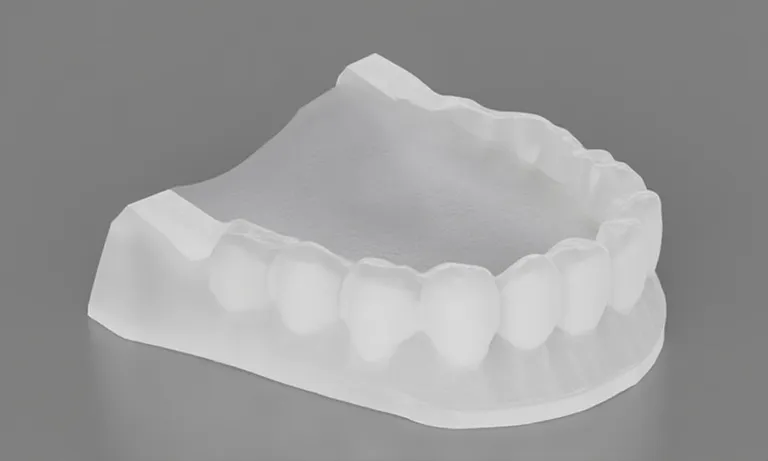
3D printing has become a pivotal force in modern crown and bridge manufacturing—boosting speed, precision, and workflow reliability across the board. For dental clinics, DSOs, and labs evaluating production partners, understanding the practical role of 3D printing is critical to assessing compatibility, efficiency, and long-term value.
This article breaks down how 3D printing is integrated across the crown and bridge production process, including:
By connecting these elements with real-world outsourcing scenarios, procurement teams can make better-informed choices—partnering with labs that not only use 3D printing, but use it well.
3D printing is increasingly integrated into multiple stages of crown and bridge production—from initial diagnostic models to final wax patterns for casting. Its role varies depending on whether production is handled in-house at the clinic or outsourced to a lab, but the key advantage is the ability to create custom-fit, reproducible components quickly and with high precision.
At Raytops, we support both clinic-based and lab-integrated workflows, often using printing in pattern generation, die model fabrication, and provisional restoration manufacturing.
Today’s dental labs use 3D printing to create:
These components allow for more streamlined communication and prototyping, especially in multi-party workflows.
Instead of manually pouring stone models or sculpting wax, labs now produce digital-ready equivalents using SLA or DLP printers. This replaces labor-intensive steps like:
However, 3D printing often complements rather than fully replaces traditional steps. For example, printed wax patterns still require investment and burnout in conventional casting ovens.
The combination of digital design + printed intermediate components + conventional finishing gives labs both speed and control—particularly for complex multi-unit cases.
Labs like Raytops often receive intraoral scans, process the design in CAD, print necessary components, and complete final restorations—all within a 3–5 day window.
Dental labs typically use SLA, DLP, and LCD printers to produce various crown and bridge components—each matched with specific materials based on case type. The right combination of printer and resin affects not only speed and cost, but also strength, esthetics, and precision of the final result.
At Raytops, we operate both SLA and DLP systems depending on whether the goal is castable precision, model durability, or temporary restoration esthetics.
Each technology has trade-offs. Labs typically select based on volume, use case, and desired post-processing workflow.
| Use Case | Common Resin Type | Key Properties |
|---|---|---|
| Temporary crowns | Biocompatible Class II resin | Esthetic, polishable, intraoral safe |
| Diagnostic models | Rigid model resin | High dimensional stability |
| Wax-up patterns | Castable resin | Burns out cleanly, precise margin lines |
| Dies | High-temp gray resin | Accuracy under handling, no chipping |
At Raytops, we select resins based on both case requirements and downstream finishing compatibility. For example, a diagnostic wax-up intended for press ceramic layering may use different resin than one used for simple visualization.
Even the best printers perform poorly with mismatched materials. For example:
Labs that understand these interactions optimize not just for “print speed,” but for the combined performance—dimensional tolerance, shade behavior, surface polishability, and burnout consistency.
That’s why we recommend clients not only ask what machine a lab uses—but also what materials, settings, and validation protocols are in place.
3D printing enhances accuracy in crown and bridge production by minimizing manual variation and enabling consistent outputs—resulting in fewer adjustments, lower remake rates, and tighter marginal fits.
Labs that integrate calibrated printing protocols report significant quality improvements, particularly in the modeling and casting phases.
At Raytops, we saw a 12% reduction in chairside adjustments after shifting our wax-up and die production to high-resolution DLP workflows.
Traditional methods often involve multiple manual stages: pouring stone, trimming dies, wax carving—all of which introduce potential variation. 3D printing replaces these with:
This means the same scan, printed twice, yields nearly identical results—something nearly impossible with analog workflows. Errors from model warping, pinning misalignment, or wax pullback are virtually eliminated.
Depending on the printer-material setup, labs can consistently achieve:
These numbers are within the range needed for final restorations to seat passively and require minimal chairside refinement.
At Raytops, we use printed models as verification checkpoints before ceramic layering—preventing compounding errors late in the workflow.
Yes—and it’s measurable. Labs that adopt digital + 3D-printed workflows consistently report:
We supported one DSO client in switching from stone dies to printed models, and their remake rate on posterior zirconia crowns dropped from 7.8% to 4.2% within 90 days—just by standardizing their scan and print parameters.
These results are not just technical—they translate to saved appointments, fewer patient complaints, and better clinician trust.
3D printing shortens production timelines by eliminating physical steps, reducing technician labor, and enabling same-day part fabrication—especially for diagnostic models, provisionals, and casting patterns.
For labs and clinics managing multiple cases per week, shaving off even 1–2 days per case adds up quickly.
At Raytops, we routinely use 3D printing to compress workflow stages and deliver faster, without sacrificing accuracy or QC.
Key stages where 3D printing accelerates turnaround include:
These efficiencies allow labs to reallocate technician hours to critical cases, while machines handle repeatable mid-stage production tasks.
Digital + 3D workflows enable quicker feedback loops between lab and clinic. For example:
This real-time feedback is especially valuable in high-aesthetic cases or where patient schedules are tight.
We’ve helped clinics implement 48-hour diagnostic loops using only STL files, a cloud-based viewer, and a printed prototype.
In select scenarios, yes. Labs that pre-schedule printer time or have designated same-day protocols can produce:
Raytops offers pre-approved “expedited slots” for recurring DSO clients. In one instance, we supported a US-based group with a 72-hour zirconia crown cycle—including scan, design, printing of model, and CAM production—coordinated entirely across time zones.
These workflows are most effective when both clinic and lab align their systems, file compatibility, and approval cut-offs.
3D printing acts as a bridge between digital scanning and physical restoration, converting intraoral data into precise printed components within hours.
Its success depends on smooth integration across scanning systems, CAD formats, and lab printing protocols.
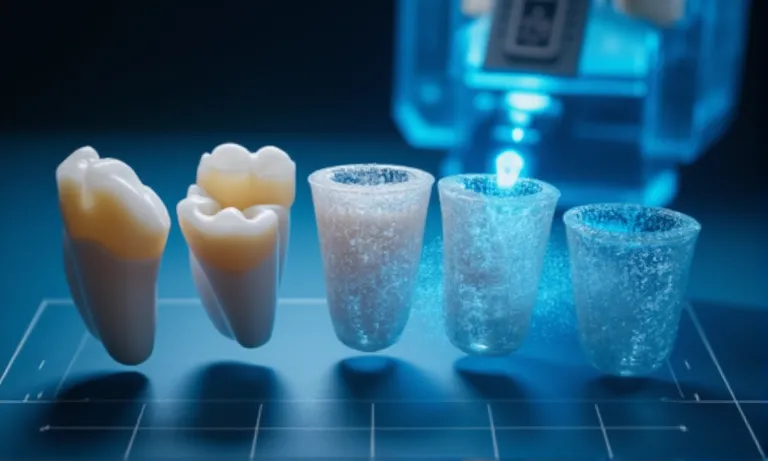
To ensure accuracy and efficiency, labs follow these steps:
This protocol minimizes design lag and prevents repeated approvals caused by poor file input.
A successful scan-to-print workflow depends on file compatibility. Common formats include:
Labs often convert intraoral scans into printable STL shells for diagnostic models and dies. The cleaner the input, the more accurate the printed component.
Labs act as digital translators. While clinics focus on capturing clean intraoral scans, labs ensure:
At Raytops, we’ve developed intake checklists for common IOS systems and train staff to detect non-printable files within minutes. One DSO group in the UK reduced their preprint rejection rate by 42% after aligning their scanning protocol with our file acceptance guide.
3D printing enables fast, affordable, and accurate fabrication of provisional restorations and diagnostic models, helping both clinicians and patients make informed decisions before finalizing crown and bridge cases.
From trial fittings to aesthetic previews, its flexibility offers a valuable planning and communication layer in restorative workflows.
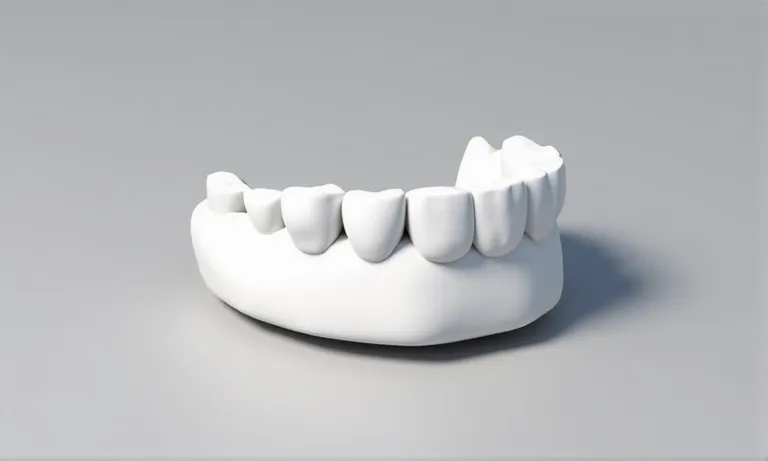
Printed provisionals are increasingly used as short-term restorations during treatment planning or between preparation and final cementation. Labs print:
Raytops supports several clients who rely on printed temps for cosmetic smile trials. In one case, a Florida DSO requested 8-unit anterior provisionals with a turnaround of 36 hours. Using biocompatible resin and pre-calibrated printer settings, we delivered functional and esthetic temps on time—helping the clinician secure patient approval before investing in layered zirconia.
Common scenarios include:
These models are especially valuable in multi-provider workflows or aesthetic-driven cases.
Labs use rigid, biocompatible resins (e.g., Class IIa) designed for short-term intraoral use. Post-print processes include:
When supported by high-resolution printers (e.g., DLP 385 nm, 50μm layer), results can closely mimic the appearance of milled PMMA—while being faster and more flexible to iterate.
Not all labs that advertise 3D printing are equally prepared for consistent digital crown and bridge production.
For reliable output, buyers should assess printer setup, technician workflows, and the lab’s ability to integrate with your digital inputs.
When evaluating a partner, ask:
These questions uncover whether printing is just “marketing language” or a true operational process.
Look for:
At Raytops, we’ve had clients request side-by-side photos of printed vs. milled provisionals to evaluate surface fidelity and margin precision—something we proactively prepare during onboarding.
Labs should align file intake and printer nesting to avoid miscommunication. This means:
For example, when working with a Canadian DSO group, our team built a print-specific intake checklist tailored to their Trios scans, reducing STL rejections by 40% within the first month.
3D printing has revolutionized crown and bridge production by enabling faster, more accurate, and more flexible workflows. From diagnostic models to final restorations, it improves precision, reduces manual errors, and enhances turnaround times. Labs that successfully integrate 3D printing into their processes not only streamline production but also ensure better collaboration with clients—leading to fewer adjustments and higher satisfaction.
As an overseas dental lab, Raytops focuses on providing seamless integration of 3D printing into our workflow, offering clients consistent results and faster delivery. By understanding and optimizing the capabilities of 3D printing, both clinics and labs can elevate the quality and efficiency of restorative dental care.