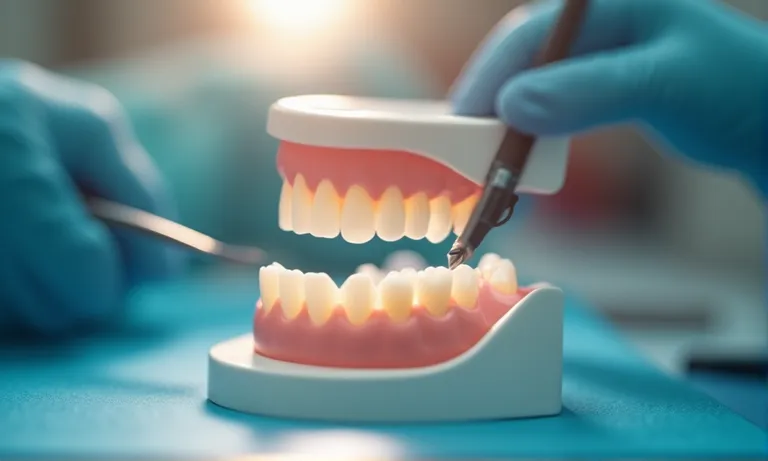
Clinics offering aesthetic treatments often struggle to measure the long-term profitability of veneer cases.
Overlooking factors like remake rates, chair time, or patient retention can lead to overestimating ROI or undercharging high-value services.
By evaluating performance, predictability, and case outcomes, dental practices can align e.Max veneer usage with sustainable growth and patient satisfaction.
The ROI of e.Max veneers is influenced by clinical durability, aesthetic longevity, case acceptance, and operational efficiency. High strength, minimal rework, and patient satisfaction contribute to long-term profitability, making e.Max a cost-effective choice for cosmetic dental workflows.
e.Max veneers are valued not just for how they look, but for how they perform over time. For clinics aiming to balance patient satisfaction with case longevity, understanding these clinical strengths is essential. Below, we explore what makes e.Max a dependable choice from both aesthetic and functional standpoints.
Emax-veneer-clinical-benefits-aesthetics-durability
e.Max mimics enamel better than many monolithic ceramics, making it ideal for visible zones.
This improves acceptance in single-unit and full-smile cases alike.
With flexural strength of 360–400 MPa, e.Max outperforms traditional feldspathic in durability.
Strength contributes not only to patient peace of mind, but fewer remakes for the clinic.
e.Max’s strength enables thinner restorations, preserving natural tooth structure.
Less invasive treatments improve clinical outcomes and increase case acceptance.
e.Max is lithium disilicate-based, with proven oral compatibility.
These factors reduce complications and enhance long-term treatment confidence.
From an ROI standpoint, the clinical reliability of e.Max veneers helps reduce remake risk, improve case longevity, and support consistent patient satisfaction—key metrics for sustainable cosmetic workflows.
Understanding what contributes to the cost of an e.Max veneer case helps clinics make better financial decisions. It also improves communication with patients by shifting the conversation from “price per unit” to the full treatment value. From material selection to chair time and overhead, several layered factors shape the final cost.
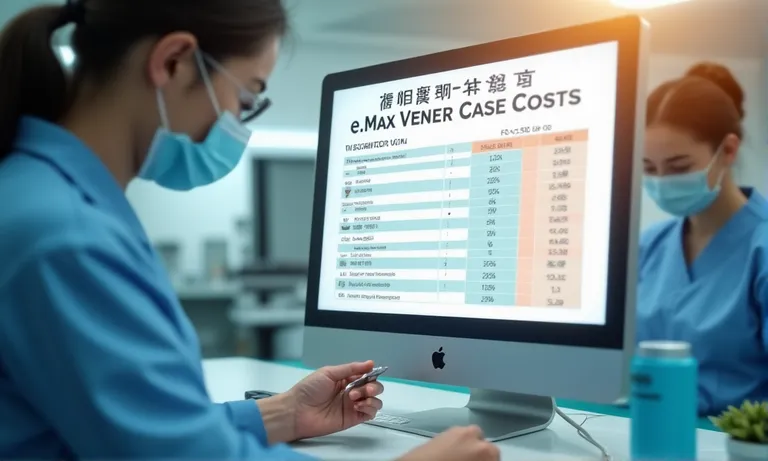
Emax-veneer-cost-structure-breakdown-lab-clinic
| Component | Estimated Share of Cost | Notes |
|---|---|---|
| Material (e.Max ingot/block) | ~10–15% | Controlled by brand (Ivoclar) |
| Lab Fee (fabrication, layering) | ~35–50% | Varies by case complexity and location |
| Clinic Time + Overhead | ~35–50% | Includes chair time, rent, staffing |
While materials seem affordable, the fabrication skill and lab protocol represent the real cost center.
Chair time isn’t just about hours—it reflects the productivity of the clinician and the efficiency of the workflow.
Clinics using predictable lab protocols often recoup more value per case hour.
Choice depends on volume, technician skill level, and in-house capacity.
Cosmetic cases are resource-intensive—even beyond materials and time.
✅ The real cost of an e.Max veneer case goes beyond material price – TRUE
Technician expertise, clinic chair time, and aesthetic setup make up the bulk of case cost—not just the ceramic ingot.
❌ Material cost is the main driver of veneer pricing – FALSE
While materials matter, the most significant expenses come from human time and precision—both in the lab and chair.
While e.Max is not the only veneer material available, it often delivers the best balance of longevity, patient satisfaction, and reduced rework. ROI in cosmetic dentistry isn’t just about initial cost—it’s about how well a material performs over the full treatment lifecycle. Here’s how e.Max stacks up against its main competitors.
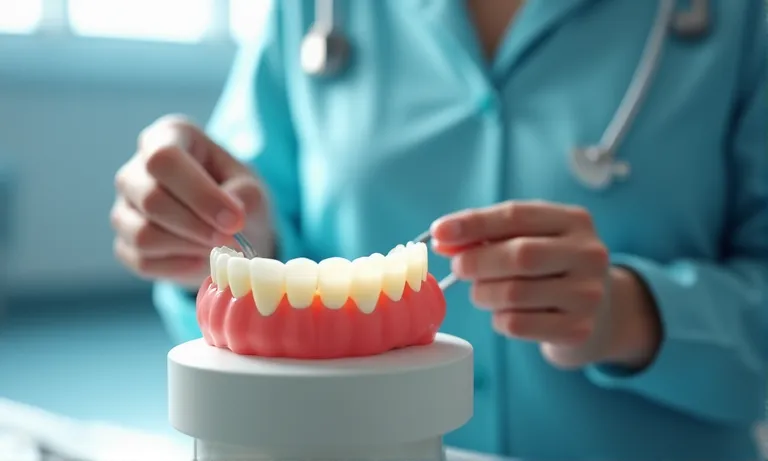
Veneer-material-comparison-emax-composite-zirconia
Clinics focused on low-touch follow-up prefer e.Max for its long-term predictability.
| Attribute | e.Max Veneers | Zirconia Veneers |
|---|---|---|
| Translucency | High (natural enamel mimicry) | Moderate (especially in monolithic) |
| Surface Aesthetics | Easily layered and glazed | Requires stain-and-glaze only |
| Patient Satisfaction | High in anterior zones | Acceptable in posterior use |
| Prep Depth | 0.3–0.5 mm | 0.7 mm+ for esthetic effect |
In cosmetic cases, e.Max is typically the more aesthetic and conservative choice.
Lower rework rates directly protect profit margins.
✅ e.Max balances aesthetics, durability, and long-term case stability – TRUE
Its performance across appearance, strength, and longevity makes it one of the most cost-effective veneer options for high-expectation patients.
❌ Lower-cost veneer options always yield higher ROI – FALSE
Savings in upfront cost can be lost through rework, adjustment time, and reduced patient satisfaction—especially in cosmetic cases.
Beyond clinical reliability, e.Max veneers open multiple pathways to grow revenue. From increasing per-case value to building a premium aesthetic brand, offering e.Max can shift a clinic’s cosmetic dentistry from single-service transactions to long-term profit generators.
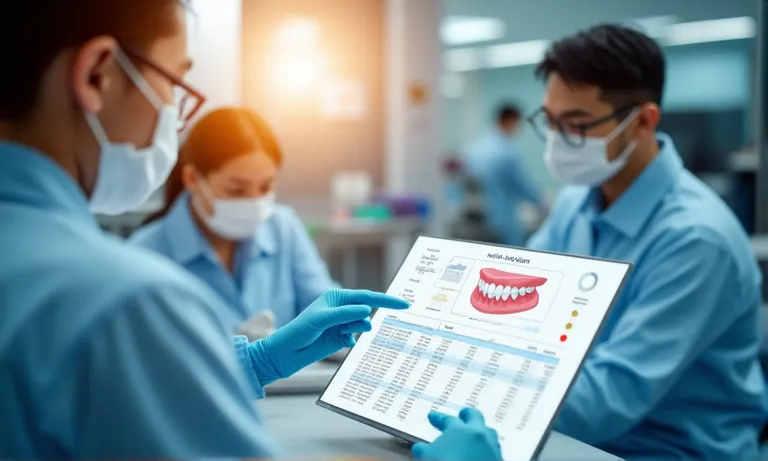
Cosmetic-dentistry-revenue-boost-emax
Higher unit pricing is supported by lower complication rates and higher satisfaction.
Positioning e.Max within a smile transformation narrative improves total case size.
Clinics that specialize in e.Max cases often become known for natural, high-end outcomes.
From individual veneer upgrades to full-arch smile design, e.Max provides a versatile cosmetic anchor for premium services.
Start by reviewing case presentation tools or build a bundled offer with your lab for consistent esthetic outcomes.
Tracking ROI isn’t about guesswork—it’s about having the right clinical and financial indicators in place. e.Max veneers offer durable, high-value outcomes, but clinics need clear metrics to confirm they’re delivering profit, not just perceived success.
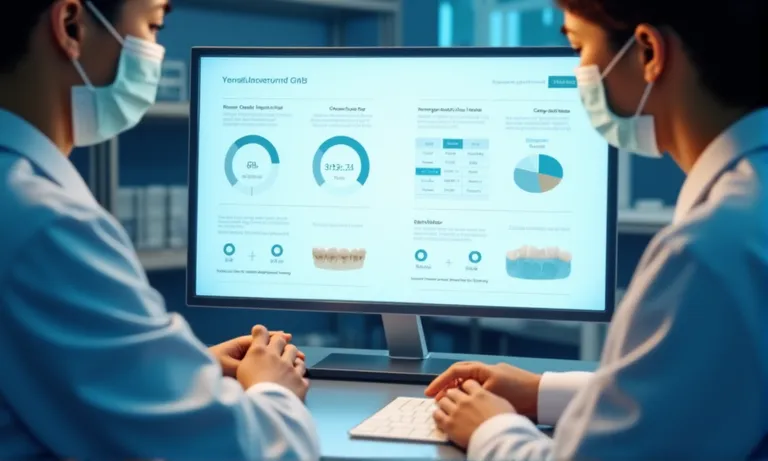
Veneer-roi-metrics-dashboard-emax
Start by calculating per-case contribution margin:
Tracking margin per hour also improves team scheduling efficiency.
e.Max is known for its low remake rate—but clinics must still track it.
| Metric | Recommended Target | Notes |
|---|---|---|
| Remake Rate (per unit) | <2% | Indicates lab consistency + prep quality |
| Chairside Adjustment Time | <10 min avg | Over 20 min suggests shade/design mismatch |
| Return Visits (Post-cement) | <1 per 10 cases | High return rate may signal bonding or occlusion issues |
Lower rework means more predictable margins and fewer disruptions.
Retention isn’t always about hygiene—it’s often rooted in emotional buy-in.
Cosmetic patients often convert into long-term, high-value clients.
✅ Remake rates, chair time, and lifetime value are essential to tracking veneer ROI – TRUE
Focusing only on case fee ignores key drivers of profit: predictability, efficiency, and patient loyalty.
❌ High price alone means high ROI – FALSE
Without low rework and strong follow-up value, even premium cases can underperform in profitability.
e.Max veneers are a high-performance option when clinics evaluate not just material cost, but total case value, efficiency, and long-term outcomes. Understanding these ROI drivers allows practices to build a more predictable, profitable veneer workflow.
Want to ensure your veneer workflow is built for profitability? Contact Raytops Dental Lab to source certified e.Max restorations with consistency and clinical support.