
Veneer costs vary wildly between labs, even when using the same materials and techniques.
Clinics that overlook cost structure differences across countries or case types risk overpaying or compromising results.
Understanding the key cost drivers—materials, labor, customization, and region—can help clinics and DSOs align pricing expectations with lab partners for more profitable, predictable outcomes.
Porcelain veneer costs in outsourced workflows are influenced by factors such as material type, technician labor, customization level, case complexity, and regional production costs. These variables determine the final per-unit price quoted by dental labs and affect clinical margins.
Porcelain veneer pricing isn’t universal—even for identical materials and indications. Geographic location significantly shapes final costs, especially when outsourcing to international dental labs. Understanding these patterns helps clinics benchmark more effectively and align expectations with their lab partners.
Veneer-pricing-regional-differences-map
Regional cost differences often stem from labor rates, regulatory complexity, and clinic operating costs.
| Region | Typical Lab Fee Range (Per Unit) | Cost Drivers |
|---|---|---|
| North America | $150–$350 | High labor cost, liability, domestic production |
| Europe | $120–$300 | Varies by country (e.g., Germany vs. Eastern EU) |
| Asia | $60–$150 | Lower labor, export-oriented labs, high volume |
Labs in Asia (e.g., China, Vietnam) offer competitive pricing for international partners with certified production pipelines.
Within the same country, clinic pricing often varies by urbanization level.
Clinic type affects both lab negotiation power and veneer pricing strategies.
Even in elective cosmetic treatments, third-party factors still shape what patients are willing to pay.
✅ Veneer pricing varies widely across regions, clinic types, and payment models – TRUE
Outsourced workflows offer flexibility but must align with local patient pricing strategies and clinic positioning.
❌ Lab pricing is fixed and standard worldwide – FALSE
Labor cost, certification, production location, and clinic expectations all factor into the final veneer price.
Porcelain veneer pricing is rarely a flat rate. For clinics outsourcing veneer production, understanding what drives cost variation can help reduce unnecessary expenses and improve collaboration with labs. Below are key factors influencing lab quotes and overall case pricing.
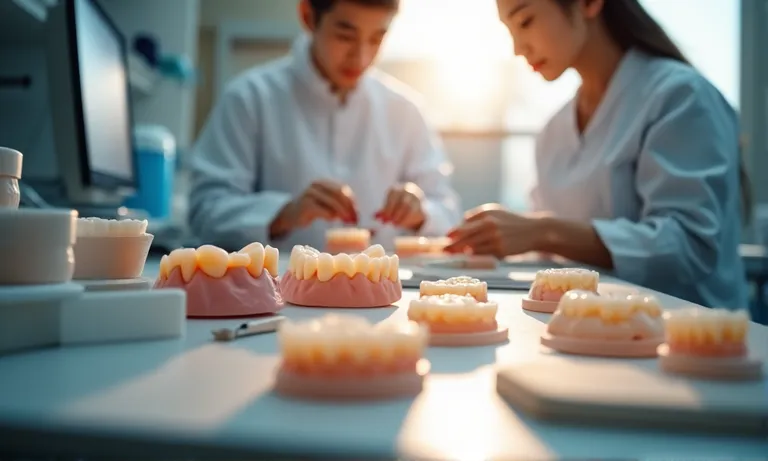
Veneer-pricing-factors-lab-workbench
Different materials carry different base costs and affect both fabrication time and visual outcome.
| Material Type | Cost Level | Aesthetic Flexibility | Notes |
|---|---|---|---|
| Feldspathic | High | Very High | Hand-layered, labor-intensive |
| e.Max (Lithium Disilicate) | Medium | High | Pressed or milled; versatile |
| Empress (Leucite) | Medium | Moderate | Less popular now, used in select cases |
Higher-end materials usually require more technician time and post-processing—reflected in the quote.
Labs and clinics may choose to fabricate veneers in-house or send them out, each with clear trade-offs.
For most single-chair or smaller group practices, outsourcing offers the best balance of quality and cost.
Veneers are not commodities—they’re crafted. When technician artistry is central, pricing reflects:
Custom aesthetics can increase unit cost by 20–40%, but may reduce chairside adjustment and increase patient satisfaction.
✅ Material, customization, and production model all significantly influence veneer pricing – TRUE
Understanding these levers helps clinics balance aesthetics, cost, and delivery expectations.
❌ All veneers cost the same as long as they’re made of porcelain – FALSE
Even among porcelain types, the fabrication method, technician time, and case demands create wide cost variation.
Premium veneers come at a higher price—but not without reason. Clinics considering higher-end veneer options must evaluate the value behind the price tag: not just materials, but performance, adjustment efficiency, and long-term satisfaction. Here’s what truly makes a veneer “premium.”

Premium-veneers-aesthetic-value-showcase
Different ceramics support different visual effects—especially important in smile zone cases.
| Material | Aesthetic Layering | Translucency | Customization Potential |
|---|---|---|---|
| Feldspathic Porcelain | Excellent (hand-layered) | High | Very High |
| e.Max | Good (press + cut-back) | Medium-High | High |
| Monolithic Zirconia | Moderate | Low–Medium | Limited (surface stain) |
Feldspathic remains the gold standard for ultra-thin, no-prep, or single central cases requiring precise shade harmony.
Premium veneers aren’t just more aesthetic—they often last longer with fewer issues.
Maintenance depends heavily on occlusion design and polish quality.
For labs, premium cases involve more upfront time—but they often prevent remakes and late-stage refinishing.
Patient feedback usually centers around:
Clinics offering premium options often report higher case acceptance and more word-of-mouth referrals.
Premium veneers justify their cost when the case requires visual finesse, minimal prep, or long-term function with minimal rework.
Their value lies not just in the material—but in the outcome patients can see and feel.
Porcelain veneer pricing isn’t just about material cost—it reflects production complexity, logistics, and service expectations. Labs typically apply layered pricing models that balance unit volume, customization, and turnaround time. Misunderstanding this structure often leads to price mismatch or unmet expectations.
Dental-lab-pricing-structure-chart
| Pricing Model | Description | Typical Use Case |
|---|---|---|
| Per-Unit Pricing | Fixed cost per veneer regardless of case size | 1–4 units, aesthetic single cases |
| Bundle Pricing | Discounted rate applied to multi-unit cases | 6+ units, smile makeovers, DSO orders |
Bundle pricing improves efficiency but may include standardization of material or finish to control cost.
Custom aesthetics are a key price driver—especially when visual accuracy is prioritized.
Clinics working with demanding patients should request cost quotes based on final design scope, not just unit count.
Time is a critical cost factor, especially in international outsourcing models.
Planning veneer cases in advance helps clinics avoid express fees without compromising delivery.
Labs offering itemized quotes help clinics manage expectations and justify fee structures:
✅ Lab veneer pricing is influenced by volume, customization, and turnaround expectations – TRUE
Transparent pricing models reflect real operational variables—not just material.
❌ Bundle pricing is always cheaper per unit – FALSE
While unit price may drop, overall cost can rise with added design steps or higher service level requirements.
How Can Clinics Discuss Veneer Pricing with Patients?
Veneer treatment decisions aren’t made in the lab—they’re made in the chair. For clinics, communicating cost clearly and confidently is as important as selecting the right material. Labs can support this process with visuals, case data, and transparent quoting that empowers patients to commit without confusion.
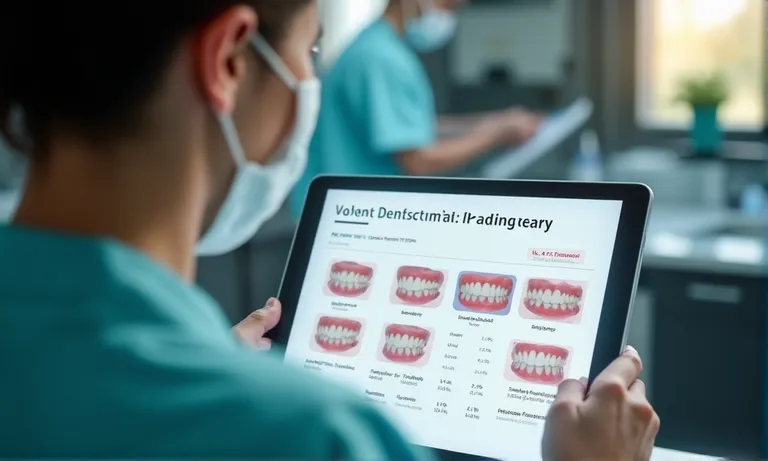
Dentist-explaining-veneer-pricing-to-patient
Patients want to understand what they’re paying for and why.
Well-prepared quotes also protect your team during case acceptance conversations.
Visual or tabular comparisons help patients assess value, not just cost.
Patients appreciate choices when the differences are clearly explained.
Not all patients can afford veneers upfront—even if they value the outcome.
This approach shifts the focus from cost to comfort and confidence.
Showing real patient outcomes helps make cost feel justified.
Storytelling through transformation helps patients emotionally connect with the value behind the quote.
Discussing veneer costs isn’t just about quoting a number—it’s about helping patients see the value behind the investment. With the right tools and tone, clinics can turn price conversations into confident case acceptance moments.
Porcelain veneers are not priced equally across borders or labs—nor should they be. A strategic understanding of what influences costs empowers clinics to deliver high-quality outcomes while managing budgets and lab partnerships effectively.
Want predictable veneer pricing with certified quality? Partner with Raytops Dental Lab to receive clear quotes, global-standard materials, and aesthetic results you can trust.