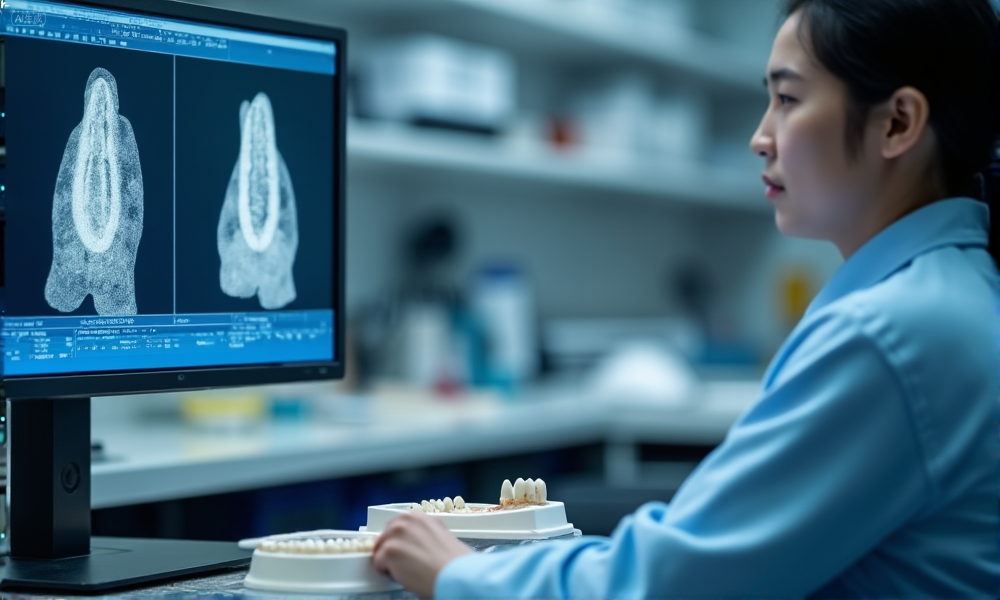
In dental implant restorations, every day of delivery delay can cost a clinic hundreds of dollars in lost chair time and patient rescheduling—while also risking long-term trust. When outsourcing implant cases to overseas dental labs, turnaround and delivery time are shaped by a chain of interconnected factors. Procurement teams assessing potential partners must evaluate not only technical capabilities but also the efficiency of every stage—from case submission to final shipment. Delays often stem from inaccurate impressions, complex case designs, material shortages, or slow communication, while streamlined workflows and dependable logistics can significantly reduce lead times.
Key dimensions to evaluate include:
By addressing these variables during supplier selection and order planning, clinics and procurement teams can set realistic expectations, achieve dependable delivery schedules, and maintain consistent quality in implant case outcomes.
Accurate impressions and clean, complete digital scans directly shorten implant case turnaround by reducing remakes and minimizing clarification delays. Even the fastest overseas dental lab cannot offset errors captured at the source
A high-quality impression or scan is the foundation of efficient case delivery. For overseas dental labs, any distortion, missing margin detail, or incomplete digital dataset introduces extra verification steps. That can add days to production time—especially when time zone differences limit same-day feedback loops. Inconsistent quality from the clinic side often explains why identical cases have different delivery speeds.
Dental-lab-scan-quality-check
Minor inaccuracies in an impression can cause significant downstream delays. Labs may need to pause production to confirm unclear margins or implant positions, particularly for multi-unit cases. When working with an overseas partner, these clarification requests can result in 24–48 hours of idle time before adjustments begin. From our production floor experience, cases with first-pass accurate impressions typically finish 2–3 days faster than those requiring verification.
In our collaborations as an overseas dental lab, clinics that follow these steps not only shorten delivery time but also increase consistency across cases. The time saved at the start often outweighs any extra minutes spent on chairside verification.
Multi-unit and full-arch implant restorations typically require longer production timelines than single-unit cases because they demand more design steps, verification stages, and precision checks. Overseas dental labs must coordinate multiple technicians and extended milling or layering cycles, making case complexity one of the strongest predictors of turnaround time.
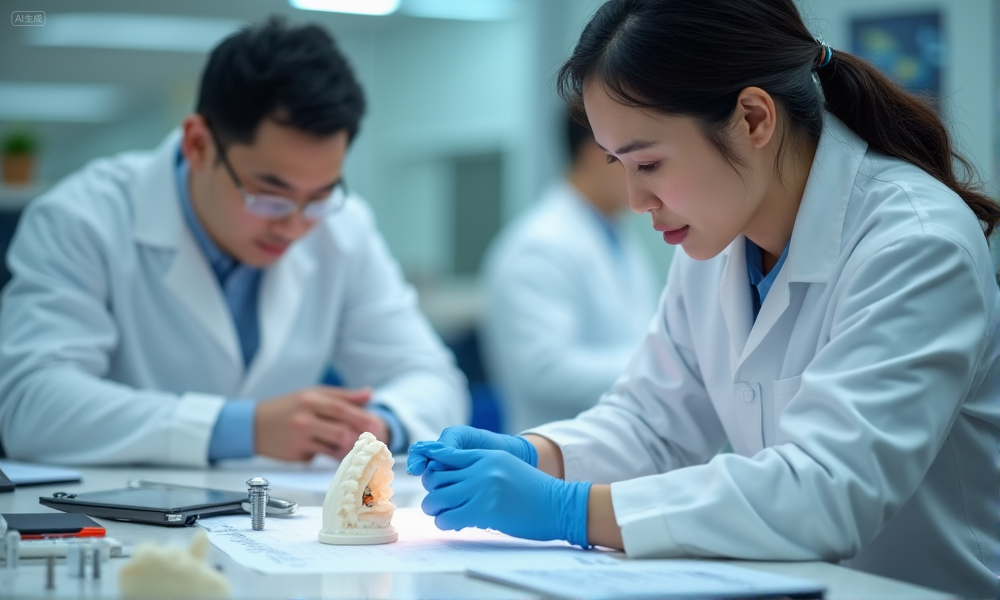
Dental-lab-full-arch-production
Full-arch and multi-unit cases often involve segmenting frameworks, verifying passive fit, and coordinating sequential milling or layering steps. Each stage has its own potential pause point—such as waiting for verification from the clinic—which can extend production by several days. In our lab’s experience, a full-arch zirconia bridge may take 3–5 additional days compared to a single crown, even with an optimized digital workflow.
When clinics design restorations with production efficiency in mind, overseas dental labs can allocate resources more effectively and meet deadlines with greater consistency. As a global dental lab partner, we have seen that early case planning often turns high-complexity projects into on-time deliveries.
Choosing the right restorative material can shorten overseas dental lab turnaround by several days, while a poor choice may cause extended sintering, finishing, or sourcing delays. Material properties directly shape production workflows, from milling speed to post-processing requirements.
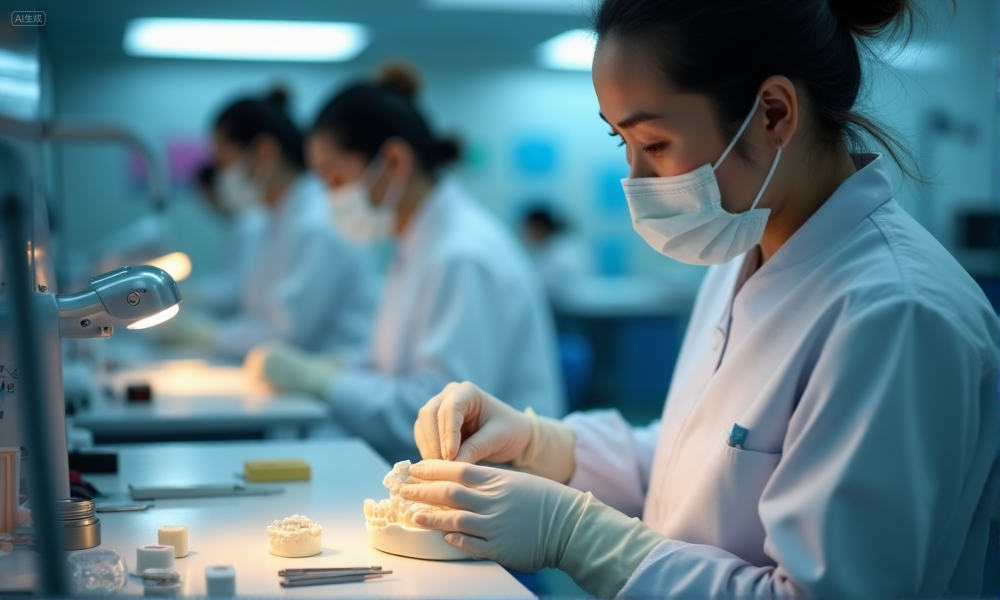
Dental-lab-material-selection
| Material | Average Lab Time Impact | Typical Uses | Delivery Considerations |
|---|---|---|---|
| Zirconia | +1–2 days for sintering and staining | Crowns, bridges | Longer high-temp cycles; shipping only after full cooling |
| Titanium | Faster milling; no high-temp sintering | Implant abutments | Requires precise CAD/CAM calibration; less aesthetic layering |
| Hybrid (zirconia over titanium) | Combines strength and esthetics; adds 1 extra bonding step | Implant-supported crowns/bridges | Bonding cycle adds ~0.5–1 day |
Supply chain delays can offset any in-lab efficiency. Overseas dental labs often maintain core materials in stock, but rare alloys, custom shades, or specific implant interface components may need to be imported. For global sourcing, clinics can reduce delays by:
When clinics align material selection with both production and sourcing realities, overseas dental labs can deliver faster, more consistent results. As a global dental lab, we see the greatest time savings when customers standardize on a small set of high-availability materials.
Clear communication and immediate CAD/STL file compatibility allow overseas dental labs to start production without delay, often saving one to two full days in turnaround. Each clarification avoided and each conversion step skipped removes a potential production bottleneck.

Dental-lab-file-compatibility-check
Incompatible or incomplete files can halt production before it begins. Overseas labs often run specific CAD/CAM ecosystems, and unsupported formats require manual conversion, risking data loss in margin definition or occlusal surfaces. In our workflow, a clean, compatible STL file can go straight to nesting within minutes, while an incompatible file might delay milling by 24 hours due to conversion and verification cycles.
In our role as an overseas dental lab, clients who consistently send fully compatible files with clear instructions rarely experience preventable delays. When paired with time zone–aware communication, production days that would otherwise be lost can be recovered.
Courier selection, transit route, and customs clearance efficiency can make the difference between an on-time delivery and a week-long delay for overseas dental restorations. Even the fastest lab production is meaningless if shipping bottlenecks disrupt the final leg.
Dental-lab-shipping-customs
The choice of courier impacts both speed and reliability. Express air services like DHL Express or FedEx International Priority typically deliver within 3–5 business days, while economy services may take twice as long. Direct flight routes avoid multiple handling points, reducing risk of loss or temperature-related damage. For high-value implant cases, dedicated courier lanes or same-day air freight can justify the higher cost by preventing costly chairside delays.
From our experience as an overseas dental lab, clients who combine priority couriers with airtight documentation consistently receive their cases on time, even across complex customs zones. Logistics planning is as critical as lab scheduling in delivering reliable outcomes.
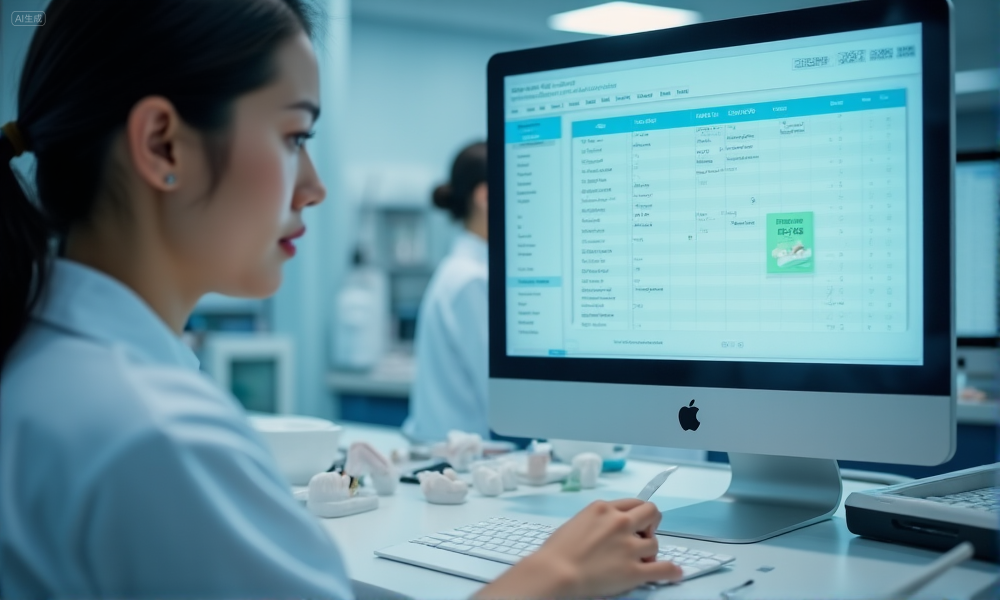
A dental lab’s ability to maintain consistent turnaround during peak seasons depends on its production capacity, technician expertise, and workflow management systems. Even with perfect case preparation, limited capacity can extend delivery timelines by several days.

Dental-lab-capacity-planning
Advanced scheduling platforms allow labs to balance workloads across technicians and track case progress in real time. During seasonal spikes, these systems help identify bottlenecks early—whether in design, milling, or staining—so managers can reassign resources before deadlines slip. We’ve seen a 15–20% improvement in on-time delivery when digital capacity dashboards are fully utilized.
From our perspective as an overseas dental lab, effective capacity planning ensures that even in peak seasons—such as pre-holiday or insurance cut-off periods—clients receive consistent delivery times. This stability is a key factor in building long-term trust.
Evaluating and confirming a lab’s delivery promises before committing prevents costly delays later. Clear turnaround metrics, well-structured negotiations, and verification steps help ensure that speed, cost, and quality align with your clinical needs.

Dental-lab-SLA-negotiation
Before finalizing a contract, request a trial production period and compare promised vs. actual turnaround. Use tracking data to validate lab claims, and ensure all commitments are written into the SLA. From our position as an overseas dental lab, we’ve found that transparent trial phases build trust and set realistic expectations for both sides.
Reliable turnaround for implant cases depends on a chain of factors—from impression accuracy and case design to material choice, communication, logistics, and lab capacity. Addressing each link before production begins ensures smoother workflows and fewer delivery surprises. As an experienced overseas dental lab, we have seen that clients who combine clear technical preparation with structured delivery agreements consistently achieve predictable, on-time results. By aligning expectations early and maintaining transparent communication, clinics can turn international collaboration into a stable, long-term advantage for both their patients and their business.