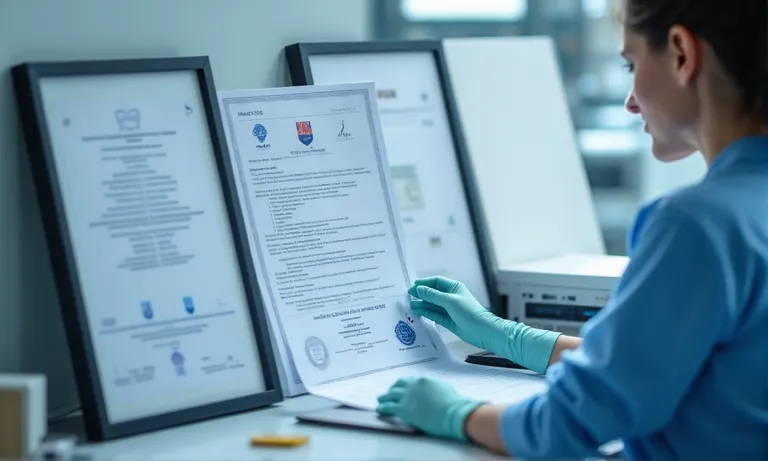
Choosing an overseas dental lab without verifying certifications can expose your clinic to legal, customs, and audit risks.
Misleading claims, expired documents, or poor-quality systems often hide behind generic “ISO” labels and CE logos.
By understanding what certifications matter, how to verify them, and what real compliance looks like in daily operations, you can confidently select a crown & bridge lab that supports legal safety and reliable delivery.
To verify a dental crown & bridge lab’s certifications and compliance, confirm valid ISO 13485, CE, FDA and regional certifications. Check certificate authenticity through official registries, and assess compliance with OSHA and HIPAA (if applicable). Review their quality assurance execution, material traceability, hygiene protocols, and technician credentials. A reliable lab should maintain a strong quality management system and invest in continuing education to stay aligned with evolving standards and regulations.
To work with overseas clients legally and reliably, a dental crown & bridge lab must hold valid, region-specific certifications that apply to custom-made dental restorations. These include ISO 13485 for quality systems, FDA exemption for the U.S., CE conformity for the EU, and registrations for regulated markets like the UK and Australia.
Dental-Lab-Certification-ISO-FDA-CE
ISO 13485 certifies that the lab operates a quality management system aligned with international medical device standards.
This standard is essential for clients seeking predictability and regulatory alignment.
Custom dental restorations shipped to the U.S. fall under FDA’s Custom Device Exemption pathway, not general manufacturing approval.
Proper FDA compliance ensures smooth customs clearance and patient-level accountability.
For EU markets, CE marking is required to show the restoration meets EU Medical Device Regulation (MDR) requirements.
The CE pathway requires internal documentation, but not third-party certification for custom devices.
Some countries require direct market registration even for custom-made dental restorations.
Labs serious about international work must align with local authorities beyond just ISO or CE.
Verifying a dental lab’s certifications involves confirming document authenticity, checking issuing authorities, and ensuring the certification scope aligns with your market and product type. These checks help protect clinics from compliance issues and regulatory penalties.
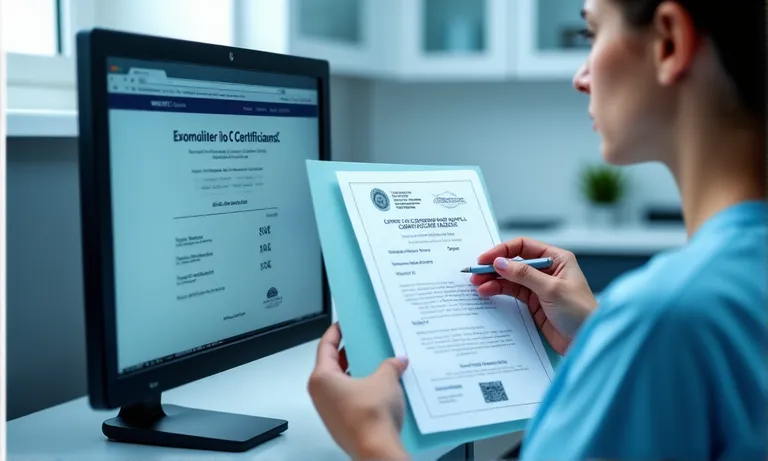
Dental-Certification-Verification-Checklist
Always request current, dated, and signed copies of a lab’s certifications.
Labs should be transparent and proactive in providing this documentation.
Verifying the issuer is as important as reviewing the certificate itself.
| Certification Type | Official Lookup Tool | Notes |
|---|---|---|
| ISO 13485 | IAF CertSearch (www.iafcertsearch.org) | Search by lab name or cert number |
| FDA Registration | FDA Establishment Registration & Listing | https://www.accessdata.fda.gov |
| MHRA, TGA, etc. | National registers (UK, AU, Canada, etc.) | Use lab name or registration ID |
| CE Declaration | Manufacturer-issued—verify signature & format | Confirm legal entity & address match |
A legitimate certifying body will always appear in a searchable, transparent database.
Red flags may not always be obvious but can cause serious legal issues.
When in doubt, request direct confirmation from the certifying authority.
Many labs claim certification but the scope may be too narrow or irrelevant.
Scope review ensures the certification supports your specific product type and jurisdiction.
Validating a lab’s certifications is not just about paper—it’s about protecting your clinic and patients from hidden regulatory risks. Request a certification audit checklist or sample verification flow from our team to help you get started.
Certifications only reflect a lab’s framework. What truly matters is whether those standards are executed daily—from QA systems, material traceability, hygiene control, and cross-border documentation. These internal policies define whether the lab operates at a reliable, export-ready level.
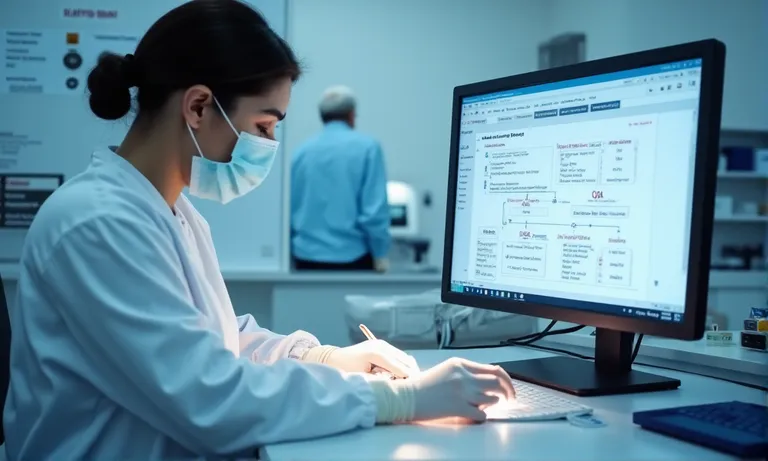
Dental-Lab-Quality-System-Compliance
Daily adherence to ISO-aligned processes is key to delivering consistent crown & bridge restorations.
A documented system turns a certificate into predictable, scalable quality.
Material traceability ensures biocompatibility and legal defensibility, especially in regulated markets.
| Material Type | Traceability Info Tracked | How It’s Used |
|---|---|---|
| Zirconia discs | Batch number, CE/FDA proof, lot expiry | Attached to case record |
| E.max ingots | Manufacturer, lot, shade, expiration | For audits or remakes |
| Alloy (PFM) | Alloy certificate, composition statement | Required for CE declaration |
| PMMA blocks | Supplier label, date of milling | For documentation and follow-up |
Labs must keep these records digitally or physically for multiple years.
Cross-infection risks exist even before chairside. Labs that export globally must adopt medical-level protocols.
Hygiene SOPs are part of compliance—not just cleanliness.
Many clients overlook how labs handle cross-border documentation, which can affect delivery and compliance.
Labs serving global clients must handle both case production and documentation as a complete export package.
Compliance is more than certificates—it’s about systems that show up in every case, every day. Labs that implement QA, traceability, hygiene, and export readiness don’t just pass audits—they prevent problems before they start.
Certified labs don’t just maintain their own compliance—they also assist clients in meeting audit requirements, import requirements, and tender requirements. A qualified lab should provide documentation support with every shipment, and be ready to supply regulatory materials tailored to your region’s standards.

Dental-Lab-Regulatory-Document-Support
Routine documentation should be integrated into each shipment to simplify client-side record keeping.
This paperwork ensures the client has everything needed for internal or regulatory documentation checks.
Well-organized labs can quickly assist when clients face external compliance demands.
Labs with experience in these requests understand how to prepare materials professionally and efficiently.
Language compatibility and format accuracy can make or break an audit response.
This level of detail reflects a lab’s readiness to support real-world client demands—not just internal compliance.
Supporting documentation is not a bonus—it’s a daily part of reliable B2B lab service. Contact us to request sample compliance packets or region-specific documentation templates to see how we help simplify your regulatory process.
Outsourcing crown & bridge production overseas offers advantages—but without proper verification, it can also expose your clinic to regulatory risk. Understanding common compliance pitfalls helps procurement teams avoid costly delays, failed audits or product seizures.
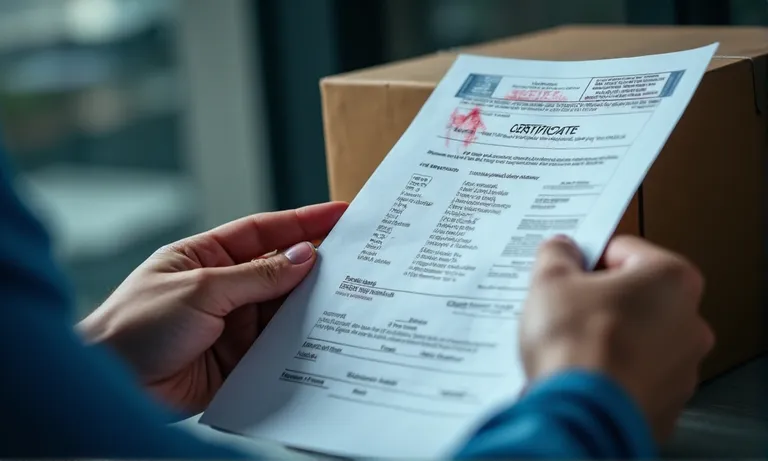
Offshore-Dental-Lab-Compliance-Risks
Unaccredited “certificates” are common in price-sensitive offshore markets.
Always validate the certifier—not just the certificate.
Some labs present valid documents—but for the wrong products or markets.
Even legitimate labs may operate outside your required scope without realizing it.
Displaying an ISO certificate doesn’t guarantee real implementation.
A certificate on the wall is not a substitute for a repeatable system.
Regulatory requirements differ significantly by region, and many labs aren’t prepared.
Partnering with a lab unfamiliar with your regulatory landscape increases operational risk.
✅ Certificates must be issued by recognized bodies and match product scope – TRUE
Validation involves checking not just the document but its source, region, and content relevance.
❌ If a lab claims “ISO certified,” all quality and compliance issues are covered – FALSE
ISO labels don’t guarantee execution. Internal systems must be inspected separately from paper claims.
Before committing to a dental lab partnership, asking the right compliance-related questions is critical. These inquiries help confirm whether the lab’s certifications, systems, and documentation practices align with your region’s legal requirements and operational standards.
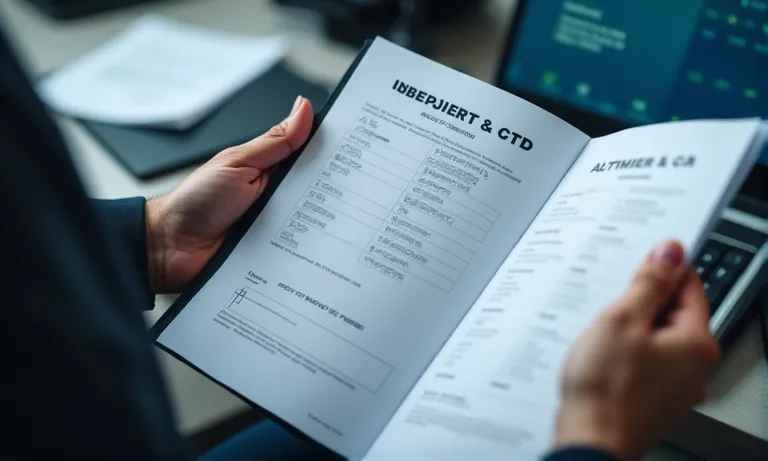
Dental-Lab-Compliance-Checklist-Partner-Evaluation
Start by confirming whether the lab holds verifiable and relevant compliance documents.
Valid documentation proves the lab is authorized to serve your region legally.
Certifications are only meaningful if translated into everyday procedures.
These answers reveal whether the lab’s workflow is disciplined or improvised.
Even with trusted partners, it’s essential to prepare for edge cases.
Clear answers reduce liability and increase confidence in long-term cooperation.
A structured compliance conversation reveals far more than a brochure. Asking these questions early prevents downstream complications and helps you select a lab that’s not just certified—but operationally ready.
Regulatory compliance in outsourcing is not just about ticking certification boxes—it’s about how consistently those standards are practiced. A reliable crown & bridge lab should not only hold valid documentation but also support your clinic or business with regionally tailored, audit-ready, and traceable production workflows.
Need guidance reviewing your current lab partner’s certifications or starting a compliance-ready trial case? Contact Raytops’ compliance support team today.