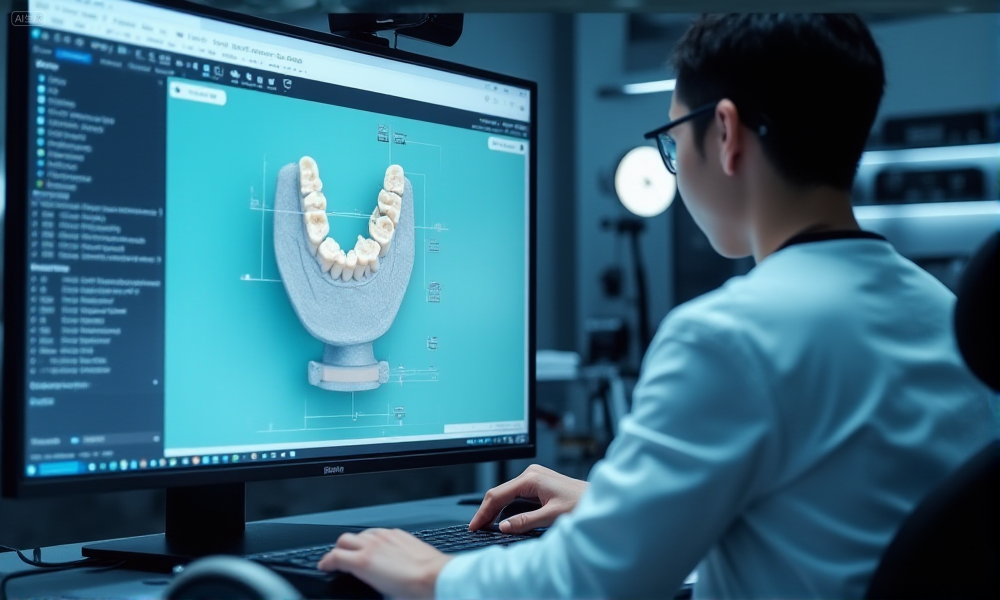
Effective coordination with overseas dental labs for implant restorations relies on establishing reliable communication systems and clear case support workflows. Dental procurement teams and practices that outsource implant restorations need to ensure that every stage—from the initial digital case submission to final delivery—is precise, consistent, and timely.
The most impactful areas to manage include:
By focusing on these key operational factors, dental teams can build stronger partnerships with overseas dental labs, reduce operational risks, and maintain predictable, high-quality delivery schedules for implant restoration cases.
Clear communication with an overseas dental lab starts with defining exactly how information will be exchanged before the first case begins. Agreeing on platforms, response expectations, and escalation points prevents delays caused by missed messages or misunderstood requirements. Many successful collaborations treat this as part of the onboarding process, ensuring that both the clinic and the lab know when and how updates will be delivered, especially when working across time zones.
overseas-dental-lab-digital-collaboration
Choosing the right tools balances speed, security, and ease of use.
Having a single point of contact at both the clinic and the lab reduces confusion.
Scheduled meetings keep both parties aligned despite the time difference.
Documentation is your safety net in complex implant restoration workflows.
| Record Type | Purpose | Example Content |
|---|---|---|
| Case Submission Form | Ensures all specifications are complete | STL files, shade tabs, occlusion notes |
| Change Log | Tracks modifications | Date, description, reason, approval initials |
| Approval Sign-Off | Confirms readiness for next step | Digital signature after design approval |
Consistent records not only protect both sides in disputes but also serve as references for future cases with similar requirements.
Strong communication foundations do more than prevent errors—they create trust. As an overseas dental lab partner, we have seen clinics cut turnaround times by up to 20% simply by formalizing communication routines and keeping channels open.For labs that follow ISO 13485 quality management systems or maintain recognized dental lab certifications, clear documentation also supports compliance and audit readiness.
A complete and accurate case submission is the foundation of a smooth implant restoration workflow with an overseas dental lab. The more precise and structured the information, the fewer clarifications are needed, and the faster the turnaround. Incomplete or unclear submissions often lead to design revisions, production delays, or misaligned expectations between clinic and lab.
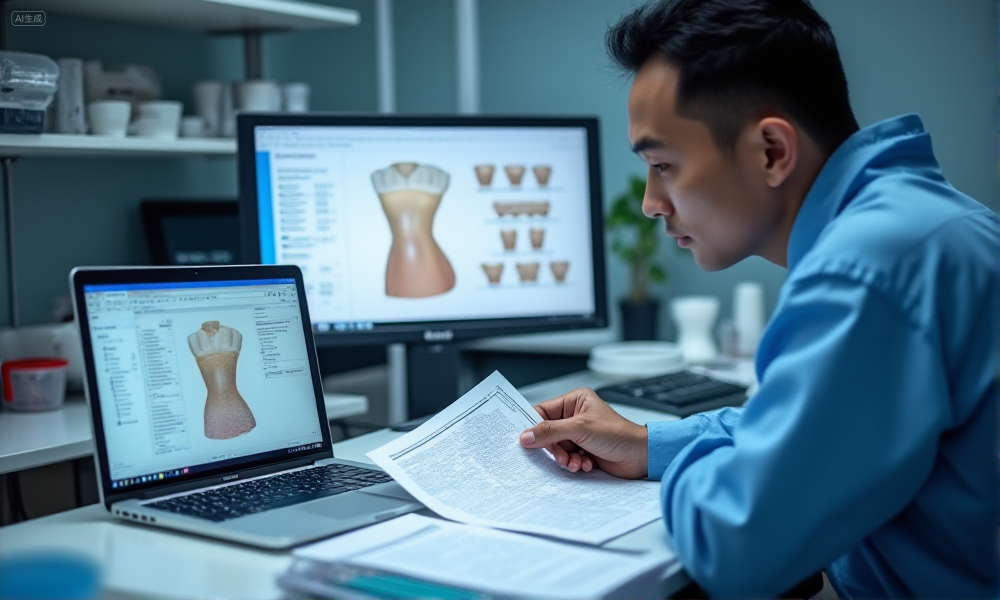
dental-lab-case-submission-checklist
A structured case file ensures every department in the lab works with the same reference.
Material choice influences both the technical process and patient satisfaction. Zirconia offers durability and esthetics, but requires accurate occlusal clearance data. Titanium abutments provide strength but must be matched precisely to implant interfaces. Shade selection affects layering techniques, while occlusion records ensure the final prosthesis integrates seamlessly with the patient’s bite. Missing or inconsistent data in any of these areas can trigger remakes, adding days or weeks to the timeline.
Digital impressions eliminate many errors inherent in analog impressions, but only when captured correctly.
| Missing Information | Impact | Preventive Action |
|---|---|---|
| Implant platform details | Wrong abutment design | Include brand + platform size in submission |
| Opposing arch data | Occlusal interference | Capture and send opposing arch scans |
| Shade tab reference | Mismatched color | Provide tab code and photo under neutral light |
| Approval for design changes | Idle production time | Set maximum response time for approvals |
An accurate case submission is more than a checklist—it’s a collaboration tool. As a global dental lab partner, we’ve seen clinics cut their remake rate by half simply by standardizing submission templates and ensuring all key details are included from the start.
Digital technology streamlines implant restoration workflows by replacing manual steps with precise, automated processes. When properly integrated, it reduces communication gaps, speeds up case handling, and minimizes the potential for human error. Overseas dental labs that embrace these tools often deliver faster turnaround times and more consistent quality.
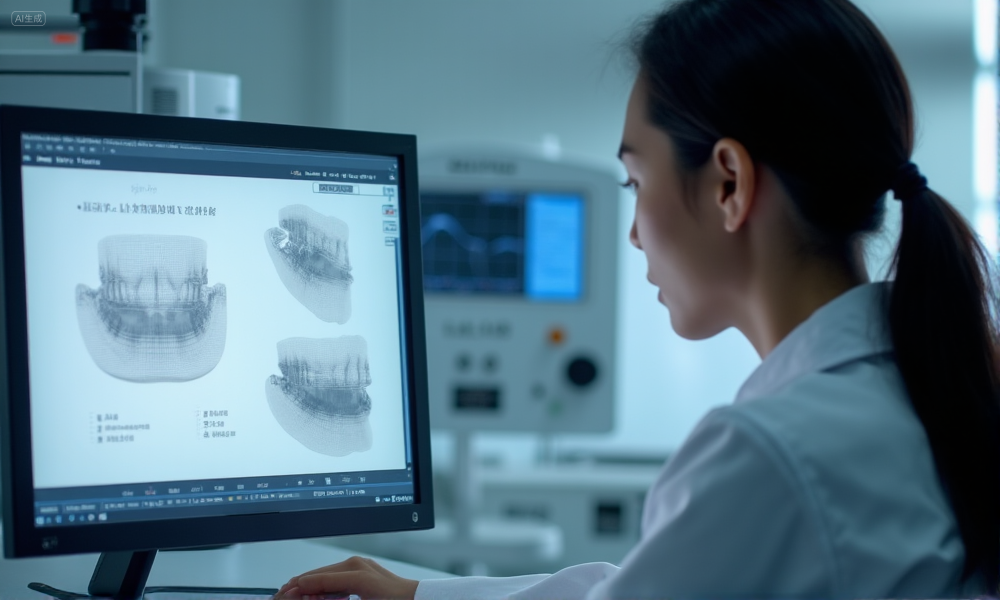
Image
ALT: dental-lab-digital-implant-workflow
Prompt: A highly realistic, ultra-detailed, professional-quality photo captured in a clean, well-lit dental lab environment. Materials must be photorealistic, anatomically accurate, and rendered with DSLR-level clarity. Lighting should be soft daylight or studio white light, avoiding cold or bluish clinical tones. A Chinese dental technician is operating a CAD workstation, reviewing a 3D implant restoration design with occlusal adjustments highlighted, while a milling machine is visible in the background.
Digital impressions taken with intraoral scanners eliminate distortions from impression materials and shipping.
CAD/CAM technology links design directly to manufacturing, removing multiple manual steps. Once the restoration design is finalized in CAD software, it is sent directly to milling units or 3D printers. This integration shortens production timelines, reduces transcription errors, and allows for complex geometries that would be difficult to achieve manually. In an overseas dental lab setting, it also enables night-shift production that aligns with the client’s time zone, effectively “working while you sleep.”
3D printing creates precise, case-specific tools and temporaries in hours rather than days.
| Feature | Benefit | Example |
|---|---|---|
| Secure Storage | Protects patient data | Encrypted cloud storage compliant with HIPAA/GDPR |
| Version Tracking | Ensures latest file is used | Automatic version logs for STL/CAD files |
| Shared Access | Improves collaboration | Multi-user access for dentist, lab, and designer |
By centralizing files, these platforms ensure both parties are always working on the latest approved version, reducing rework from outdated designs.
Adopting digital tools is not just about technology—it’s about workflow transformation. As an overseas dental lab, we have seen clinics cut their delivery cycles by up to 30% simply by integrating scanners, CAD/CAM, 3D printing, and secure cloud sharing into a single connected process.
Preventing delays in implant restoration cases is not just about solving problems quickly—it’s about anticipating them before they impact production. By setting clear protocols, maintaining transparent communication, and tracking all changes, clinics and overseas dental labs can work in sync to keep projects on schedule.
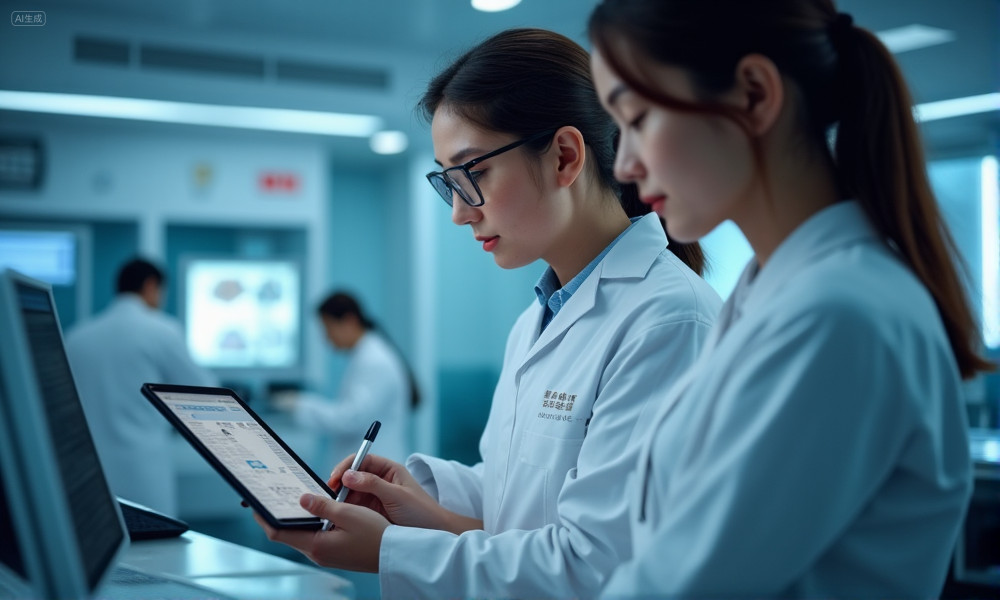
dental-lab-issue-prevention-protocol
When changes are needed, timing and clarity are critical. Instead of sending casual messages that can be missed, use the agreed communication channel with a clear subject line, case number, and change summary. Provide visuals—such as annotated screenshots—so the receiving team understands exactly what to modify. In an overseas dental lab partnership, setting an agreed maximum response time for change approvals ensures cases do not stall while waiting for confirmation.
| Documentation Type | Purpose | Best Practice |
|---|---|---|
| Revision Log | Tracks all modifications | Include date, description, and initials of both parties |
| Annotated Files | Shows visual changes | Store alongside the original file in shared drive |
| Approval Record | Confirms agreement | Digital signature or email confirmation before next stage |
Without this documentation, it’s easy for misunderstandings to arise, especially when multiple revisions occur across time zones.
Proactive issue management is a shared responsibility. As a Chinese dental lab working with international partners, we’ve seen that a culture of early detection and clear documentation not only saves days in the schedule but also builds trust for long-term collaboration.
Maintaining consistent quality in implant restorations is the result of well-defined QA standards, regular process checks, and open feedback between the clinic and the lab. Overseas partnerships require a clear quality framework to ensure every shipment meets the same technical and esthetic expectations.
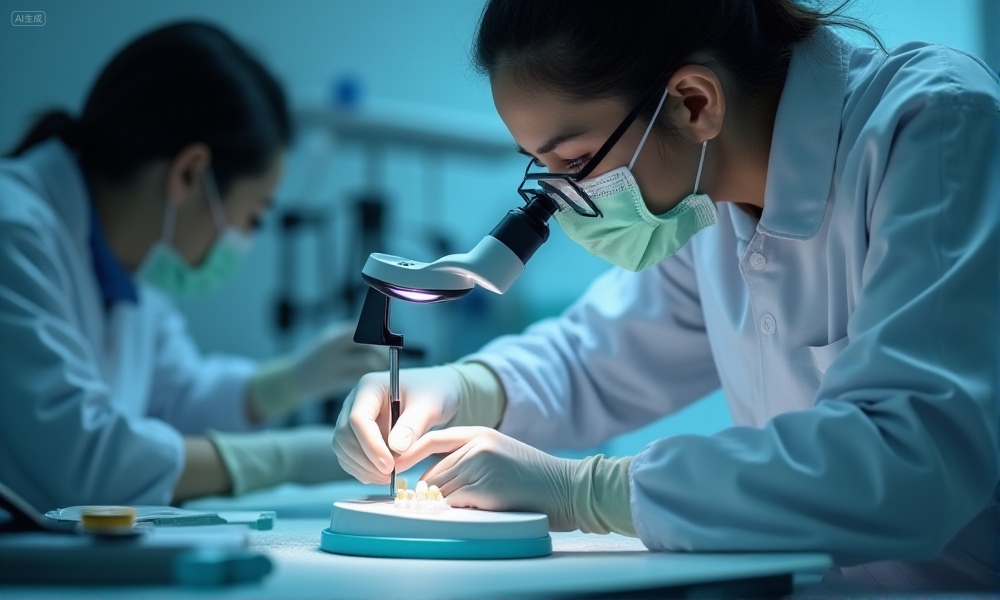
dental-lab-quality-control-process
Audits help identify systemic issues before they impact multiple cases. Clinics can request quarterly reviews where the lab shares production metrics such as average turnaround time, remake rates, and common adjustment reasons. From an overseas dental lab perspective, these sessions often uncover opportunities to adjust digital workflows, update materials, or retrain staff. This transparency ensures the partnership is evolving, not just maintaining the status quo.
Consistent quality is not achieved by inspection alone—it comes from a culture of shared standards and mutual accountability. As a global dental lab, we’ve found that clients who engage in structured QA and feedback cycles enjoy fewer remakes and more predictable outcomes over time.
Measuring communication efficiency in implant restoration projects ensures both the clinic and the overseas dental lab stay aligned. By tracking key metrics, conducting regular reviews, and scaling proven methods, teams can reduce delays and improve case outcomes.

dental-lab-communication-efficiency-metrics
Regular review meetings create a forum for feedback and process adjustments. Instead of only discussing active cases, these sessions should analyze recent metrics, identify recurring bottlenecks, and agree on action items. From an overseas dental lab perspective, this also allows us to share updates on new tools, such as upgraded portals or template changes, that can further streamline communication.
Measuring and improving communication efficiency is an ongoing process. As a global dental lab partner, we’ve seen that clinics using KPI tracking and structured reviews not only reduce turnaround times but also increase case acceptance rates over time.
Successful implant restoration partnerships with overseas dental labs rely on structured communication, complete case submissions, and the smart use of digital technology. By aligning on clear protocols, measuring performance with agreed KPIs, and maintaining consistent quality standards, clinics can achieve predictable results and shorter turnaround times. As an overseas dental lab, we understand that our role is to support, adapt, and deliver with precision, ensuring every restoration meets both clinical requirements and patient expectations. When both sides commit to proactive collaboration, efficiency and trust naturally follow—turning each project into a repeatable success.