Selecting a dental implant supplier isn’t just about product pricing or brand reputation—it’s about ensuring consistent outcomes, legal compliance, patient trust, and long-term clinical success. With a growing number of manufacturers entering the market, it’s crucial for dental clinics to evaluate potential suppliers with a critical eye and structured criteria.
A reliable dental implant supplier must demonstrate regulatory compliance, long-term performance data, transparent manufacturing, responsive support, and clear contractual terms.
Certifications are your clinic’s first line of defense against legal risk, insurance rejection, and patient complications. Not all “certified” suppliers are truly compliant across product lines.
[Image]
ALT: Implant boxes with FDA, CE, and ISO labels
Prompt: Labeled dental implant packages with visible CE mark, FDA 510(k), and ISO 13485 certification, in clinical storage setting
These certifications confirm regulatory and manufacturing compliance.
Many brands certify only their top-tier products, leaving others unverified.
Reputable suppliers provide these upon request—without hesitation.
Material safety is as important as mechanical quality.
✅ Verifying certification avoids compliance and legal issues – TRUE
Explanation: Documentation protects both patients and practitioners under scrutiny.
❌ If one product has CE, the whole brand is compliant – FALSE
Explanation: Some suppliers only certify select models, not full product ranges.
Regulatory approval is the baseline—long-term clinical performance is the true benchmark of implant reliability.
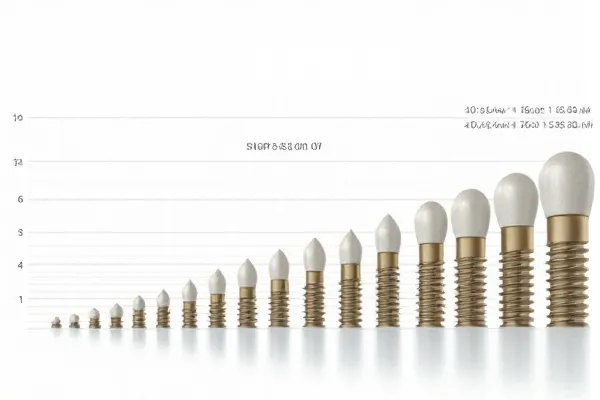
Bar chart of implant survival rates by brand
Strong brands publish outcome data in international journals.
Different lines within a brand can vary in performance.
| Product Line | 5-Year Survival Rate |
|---|---|
| Flagship System A | 98.1% |
| Budget System B | 92.4% |
| Narrow-Diameter Line | 87.6% |
Hearing from comparable clinics builds trust.
Suppliers with robust QA will share product issue data.
✅ Clinical data ensures implants deliver predictable long-term success – TRUE
Explanation: Performance in real patients matters more than technical specs alone.
❌ Brand reputation alone proves clinical reliability – FALSE
Explanation: Some newer or regional brands lack independent data but push hard with marketing.
A trustworthy supplier is one that opens the curtain—not just on branding, but on production, sterilization, and post-market surveillance.

Implant tracking dashboard with batch numbers
Each implant should be traceable from raw material to clinic.
Know who actually makes the product.
Sterile packaging and surface processing must meet Class 100–10,000 standards.
Transparent processes reflect supplier accountability.
✅ Supply chain transparency is critical to safety and accountability – TRUE
Explanation: Clinics need to trust not just the product, but the processes behind it.
❌ If the product works, how it’s made doesn’t matter – FALSE
Explanation: Unknown or untraceable sources can cause major liability and regulatory problems.
Suppliers must do more than ship boxes—they should enable clinical success through partnership and support.

Live video consult between clinic and product advisor
Pre-surgical planning reduces chairside uncertainty.
Digital integration improves precision and consistency.
New systems require training to maximize success.
Real-time support prevents case disruptions.
✅ Strong support enhances predictability and case success – TRUE
Explanation: Support closes the gap between manufacturer capability and clinical reality.
❌ Once shipped, technical guidance isn’t necessary – FALSE
Explanation: Many implant failures stem from improper technique or misaligned workflows—both avoidable with training.
Cost isn’t just about per-unit price—it’s about consistency, flexibility, and cash flow management.

Clinic manager comparing implant supplier invoices
Efficiency depends on availability.
Predictable pricing helps budgeting.
International orders benefit from terms flexibility.
Proximity affects speed and risk.
Clinics should compare logistics and payment structure holistically—not just per-unit cost—to ensure financial and clinical efficiency.
Knowing what to avoid is just as important as knowing what to look for.

Red warning icon over invalid CE document
Mismatch between what’s promised and what’s delivered is unacceptable.
If the sales team can’t answer technical questions, be cautious.
How do they handle implant failure?
Ambiguity = risk.
✅ Clear documentation and technical accountability signal trustworthy suppliers – TRUE
Explanation: Reliable partners are transparent, responsive, and consistent.
❌ If pricing is low, other factors don’t matter – FALSE
Explanation: Cost savings are meaningless if they lead to clinical failures, delays, or legal issues.
Choosing the right dental implant supplier is a strategic clinical decision—not a procurement shortcut. A well-vetted supplier helps clinics reduce risk, maintain compliance, and deliver consistent patient outcomes.
Take the Next Step
If you’re evaluating new implant suppliers, we can help you assess compliance, cost-effectiveness, and long-term clinical alignment—starting with a case-specific consultation.