
When comparing traditional dental labs with those using 3D printing, the difference is not in tools but in measurable outcomes: greater accuracy, faster turnaround, consistent results, and sustainable cost control. For implant cases, these advantages directly shape procurement decisions, where reliability and scalability are essential.
Accuracy reduces remakes and chairside adjustments, while digital workflows cut turnaround from weeks to days. Predictability comes from traceable digital records and uniform quality across bulk orders. Cost efficiency is gained through automation and fewer errors, while digital collaboration enables seamless file sharing and real-time approvals.
Partnering with an overseas dental lab like Raytops Dental Lab ensures not only efficient production but also a transparent, scalable relationship that supports growth and builds long-term confidence in every implant case.
Key benefits of working with a 3D printing dental lab for implant cases include:
Accuracy in implant restorations is critical because even small deviations can cause discomfort, extended chairside time, and higher remake rates. Dental labs using 3D printing strengthen accuracy by validating designs digitally, producing restorations with micron-level precision, and delivering consistent results across cases. For clinics, this means fewer adjustments, reduced costs, and greater confidence in their lab partner.
Dental-lab-3d-printing-implant-accuracy
In traditional workflows, impressions and stone models can distort during pouring or transport, leading to misaligned fits. With digital validation, every margin and contact is checked in CAD before the case is sent to production. This step eliminates most of the uncertainty, ensuring that implants fit as planned, whether it’s a single crown or a multi-unit bridge.
Because 3D printing works at micron-level accuracy, restorations often require minimal adjustment once delivered. Dentists save valuable chairside time, and patients benefit from shorter appointments. This precision is particularly important for implant-supported bridges, where even small discrepancies can create tension across multiple abutments.
Every remake carries hidden costs—extra materials, additional shipping, and patient rescheduling. By reducing remake rates, 3D printing ensures more predictable budgets and reliable treatment planning. For procurement teams, working with an overseas dental lab that leverages 3D printing provides the assurance that each restoration is not only precise but also consistently repeatable across multiple cases.
By combining digital validation, precise printing, and lower remake rates, dental labs with 3D printing transform implant workflows into a more predictable and trustworthy process for clinics and procurement managers alike.
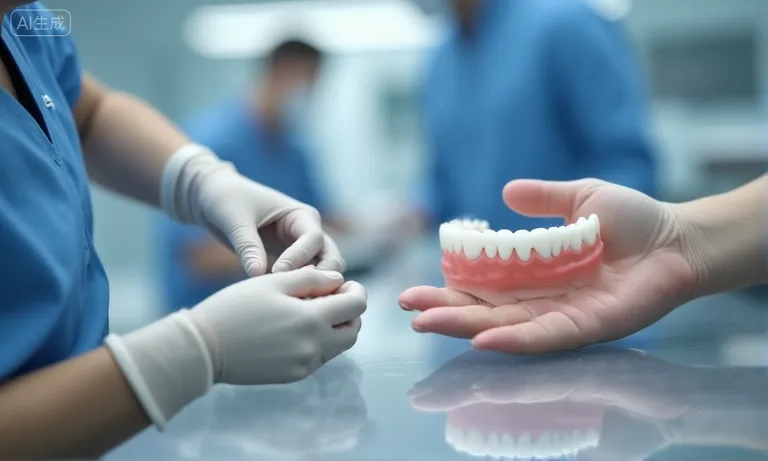
Turnaround time is one of the most critical performance indicators in implant workflows. Faster delivery not only reduces patient waiting times but also helps clinics manage schedules more efficiently. Dental labs using 3D printing can move from digital file submission to finished restorations in days rather than weeks, offering clinics and procurement teams a competitive advantage.
Dental-lab-3d-printing-faster-turnaround
Traditional methods often required stone model production, shipping, and manual adjustments, stretching timelines to several weeks. Digital workflows eliminate these bottlenecks by transferring files directly to the lab’s design system and moving immediately into 3D printing. For clinics, this can mean surgical guides or provisional restorations are ready in just a few days.
In cases where patients face urgent timelines—such as immediate implant placement after extraction—fast production is essential. 3D printing allows labs to generate surgical guides or temporary restorations on a same-day or next-day basis. This capability is especially valuable for clinics managing high patient volumes or emergency cases.
When implant cases are delivered quickly, clinics can optimize their appointment schedules and reduce the number of visits required for patients. This not only improves patient satisfaction but also enhances operational efficiency. One overseas dental lab partner, Raytops Dental Lab, has seen clinics increase patient throughput by over 15% after switching to digital workflows that consistently shorten turnaround times.
By reducing delays, supporting urgent cases, and streamlining clinic operations, faster turnaround transforms implant workflows into a more efficient and patient-friendly process.
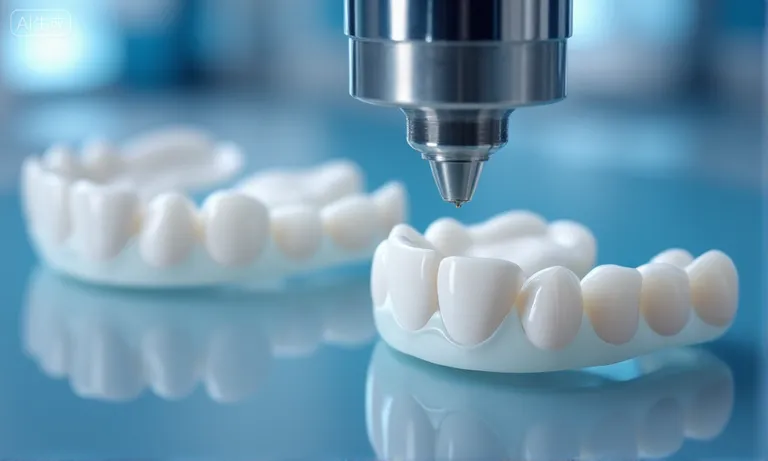
For procurement managers, consistency matters as much as speed. Large or complex implant orders require every unit to meet the same quality standard. 3D printing supports this need by enabling controlled batch production, linking every case to digital records, and providing predictable workflows that strengthen client trust over time.
Dental-lab-3d-printing-bulk-implant-orders
Traditional fabrication methods often show slight variations between units, which can create mismatched margins or occlusion when multiple restorations are placed together. With 3D printing, all restorations in a batch are produced under the same calibrated parameters, ensuring uniform fit and consistent surface detail across every crown or bridge in the order.
This traceability is particularly valuable for DSOs managing repeat orders across multiple clinics, where predictable quality is essential for operational efficiency.
Procurement teams want to avoid the uncertainty of remakes and variations between batches. By integrating traceability and batch control, 3D printing ensures that every case meets the same standards, whether the order is for ten crowns or a full-arch restoration. For example, Raytops Dental Lab has supported overseas partners handling monthly bulk orders of 50+ implant-supported units, maintaining consistency that enables clinics to plan confidently for patient scheduling.
By combining batch precision, traceable records, and reliable workflows, 3D printing turns large-scale implant production into a predictable process that strengthens the supply chain relationship between clinics and their lab partners.
Cost savings in implant workflows are often less about the unit price of a crown and more about hidden expenses that accumulate through delays, remakes, and wasted materials. By streamlining processes and reducing errors, 3D printing allows dental labs to deliver restorations at lower overall cost while giving procurement teams clearer visibility into their budgets.

Dental-lab-3d-printing-cost-savings
Traditional processes involve multiple manual steps—pouring models, fabricating wax-ups, and shipping impressions—all of which require labor and introduce risk of error. Each mistake adds cost, often in ways that are not reflected on the original invoice. Digital workflows minimize these steps, meaning the price clients see is closer to the actual cost of completing the case successfully.
By lowering remake rates, 3D printing keeps these hidden costs under control. Many clinics working with overseas dental labs report noticeable reductions in annual implant expenditures because fewer cases need correction.
When manual errors and remakes are reduced, cost structures become easier to forecast. Procurement managers can plan budgets with greater accuracy, knowing that fewer unexpected expenses will arise. Raytops Dental Lab, for instance, has supported DSO clients by providing case-level reporting that highlights savings achieved through digital workflows, giving procurement teams both transparency and confidence in long-term planning.
By eliminating unnecessary labor, reducing remakes, and stabilizing budgets, 3D printing transforms implant workflows into a more cost-efficient and financially predictable process.
Collaboration between labs and clinics depends on how quickly and accurately information moves. Digital workflows with 3D printing improve this exchange by reducing manual errors, enabling real-time approvals, and providing transparent case tracking. The result is faster alignment between partners and fewer delays that impact patient care.

Dental-lab-digital-workflow-collaboration
When clinics send digital impressions directly, labs can begin design without converting or replicating models. This eliminates errors caused by scanning stone models or misinterpreting physical impressions. It also accelerates intake, ensuring that production can begin almost immediately after submission.
Digital workflows allow clinics to review and approve designs on-screen before production. This step reduces back-and-forth communication and ensures all parties align on margins, occlusion, and esthetics in advance. For urgent implant cases, rapid approval can mean same-week delivery of restorations.
Labs like Raytops Dental Lab use such systems to maintain clear communication with overseas partners, ensuring that every case is traceable and expectations are transparent from start to finish.
By streamlining file transfer, enabling instant approvals, and providing transparent tracking, digital workflows create stronger collaboration between labs and clinics, resulting in smoother operations and greater confidence in outcomes.
Choosing the right lab partner for implant cases is about more than equipment—it is about consistent results, reliable communication, and scalable collaboration. Raytops Dental Lab combines global workflow experience with advanced 3D printing to ensure overseas clients receive predictable outcomes and long-term value.

Raytops-dental-lab-partner-implant-cases
Raytops Dental Lab has supported clinics and DSOs in Europe, North America, and Australia, handling everything from single-unit crowns to complex full-arch restorations. This track record gives overseas clients confidence that their implant cases will be delivered on schedule, regardless of order size or complexity.
Consistency is not just about individual cases—it is about maintaining quality across bulk orders and adapting as clinic needs expand. Raytops operates with scalable production capacity, supported by standardized digital workflows that ensure both speed and accuracy. This allows clients to grow their implant services knowing their supply chain is reliable.
By choosing Raytops Dental Lab as an overseas dental lab partner, clinics and procurement teams secure not only advanced 3D printing technology but also a trusted collaborator that delivers efficiency, transparency, and sustainable growth across implant workflows.
3D printing has transformed implant workflows by improving precision, shortening turnaround, and reducing hidden costs. For clinics and procurement managers, the advantages extend beyond technology—they create a supply chain that is faster, more consistent, and financially predictable. Digital file sharing and case tracking also strengthen collaboration, making overseas partnerships smoother and more transparent. As an overseas dental lab, Raytops Dental Lab combines global implant experience with scalable capacity and reliable communication systems. For decision-makers, partnering with a digitally enabled lab is not only about efficiency today but about securing long-term confidence and growth in implant services.