
Unverified dental crown suppliers can leave clinics exposed to product failures and compliance risks.
Without ISO or CE certification, restorations may lack traceability, safety assurance, or legal defensibility.
By prioritizing certified labs, clinics can ensure consistent crown quality, meet regulatory standards, and build patient trust with every case.
Yes, semi-precious crowns can be ISO and CE certified. ISO certification confirms the lab’s quality management system, while CE marking verifies product compliance with EU safety and medical device regulations—both are key indicators of crown reliability and clinical safety.
ISO certification confirms that a dental crown supplier follows internationally recognized standards for quality management, traceability, and process control. For clinics and procurement teams, ISO signals that the crowns are produced under a validated, risk-managed workflow—not just manufactured to spec.
DentalLab-ISO-Certified-Production
ISO certification ensures consistency and traceability in production.
The following ISO standards are most relevant to semi-precious crown production:
| ISO Standard | Focus Area | Relevance to Crowns |
|---|---|---|
| ISO 13485 | Medical device quality management | Core certification for dental labs |
| ISO 22674 | Dental alloys specification | Defines mechanical properties for casting materials |
| ISO 6872 | Dental ceramics | Applies when layered with porcelain |
| ISO 7405 | Biocompatibility of dental materials | Supports patient safety and testing protocols |
ISO-certified labs are held to strict controls at each stage of production.
✅ ISO certification reflects real manufacturing discipline and traceability – TRUE
It ensures repeatability, consistency, and accountability in crown production, especially for regulated markets.
❌ ISO certification is just a marketing badge with no clinical value – FALSE
It directly impacts fit accuracy, patient safety, and long-term clinical confidence.
CE certification confirms that a dental crown product complies with the European Union’s safety, health, and environmental protection standards. For clinics sourcing within or exporting to the EU, CE marking is essential for legal distribution and patient trust.

CE-Certified-DentalCrowns-EUCompliance
CE marking is a legal requirement for dental restorations sold or used in the EU.
CE compliance involves more than a label—it reflects documented clinical safety.
| Aspect | ISO Certification | CE Certification |
|---|---|---|
| Nature | Voluntary (global) | Mandatory (EU market) |
| Focus | Quality management systems | Product safety & regulatory compliance |
| Overseen by | ISO member bodies (e.g., SGS, TÜV) | EU Notified Bodies or self-declared |
| Document Type | Audit reports & SOPs | Technical file & DoC |
| Applies to | Lab processes | End-use product compliance |
CE marking ensures your crowns meet EU safety law, while ISO reflects how those crowns are made. To ensure compliance and avoid future shipment issues, ask your lab for CE Declaration of Conformity and certification documentation before onboarding.
ISO and CE certifications aren’t just formalities—they directly influence the consistency, safety, and long-term performance of semi-precious crowns. For clinics, certified products reduce risk, chairside complications, and patient dissatisfaction.

CertifiedDentalCrown-QualitySafetyImpact
Certifications require validated inputs and controlled processes.
Crowns from certified labs show greater long-term stability.
The gap between certified and non-certified products affects cost, risk, and responsibility.
✅ ISO and CE certifications enhance crown reliability, safety, and legal defensibility – TRUE
Certified crowns are manufactured, tested, and tracked under globally accepted standards—protecting both patient and clinic.
❌ Certifications don’t affect real clinical performance – FALSE
Behind every consistent fit and long-term success is a controlled, certified process—not guesswork or shortcuts.
Verifying a supplier’s ISO and CE certifications protects your clinic from legal exposure, remakes, and material risks. A few practical steps ensure the crowns you receive are truly compliant—not just labeled as such.
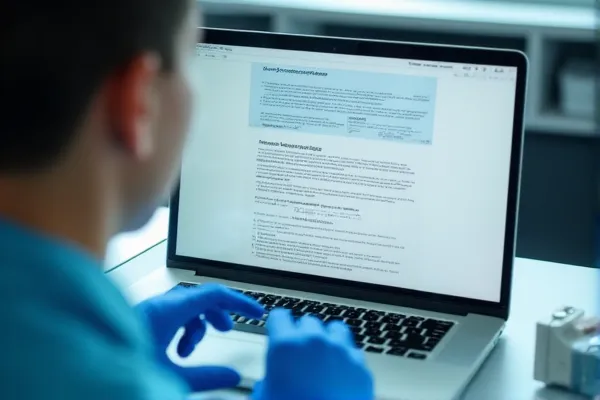
DentalClinic-VerifyCertification-Checklist
Certified suppliers offer greater clinical and operational assurance.
Certification also helps build patient trust in care quality.
Ensuring your crown supplier’s certifications are valid and relevant protects both clinical outcomes and your brand. To streamline this process, ask your lab to provide updated ISO/CE files with each quarterly review or supplier onboarding.
Certifications like ISO and CE are not just formal checkboxes—they’re essential tools for ensuring your crowns meet international safety, quality, and regulatory standards. Clinics that work with certified suppliers protect both clinical outcomes and operational integrity.
Need help verifying your lab’s certifications or onboarding a compliant supplier? Download our ISO/CE verification checklist and streamline lab qualification for your clinic or DSO network.