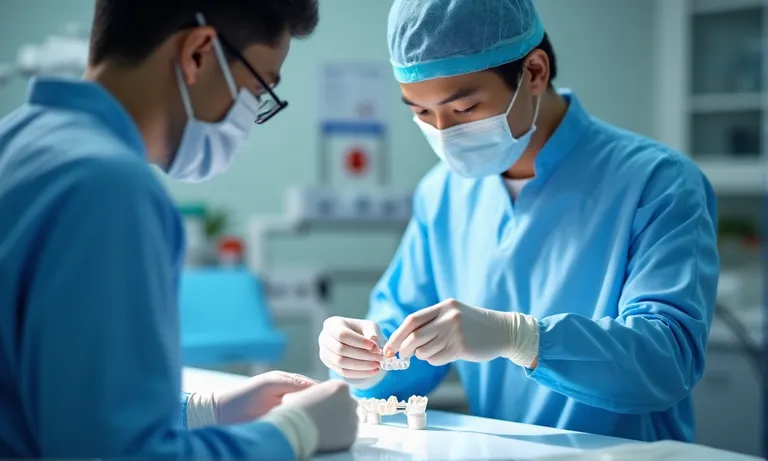
Remake rates in crown and bridge production aren’t just an operational nuisance—they’re a direct reflection of a lab’s quality systems, design accuracy, and ability to collaborate under pressure. For procurement professionals, recurring remakes introduce hidden costs, disrupt scheduling, and erode trust in the supply chain.
Evaluating a dental lab’s remake and QA processes requires more than asking for average rates. It’s about understanding how issues are prevented, how they’re resolved, and whether the lab has the infrastructure to support long-term reliability. Clear communication, digital traceability, and root-cause alignment are key indicators of operational maturity.
This guide outlines seven critical areas to examine when assessing a lab’s readiness to reduce remakes and maintain consistent delivery quality:
These insights help procurement teams move beyond reactive remake handling—and toward proactive, quality-driven partnerships in crown and bridge manufacturing.
Remakes in crown and bridge cases are often rooted in a combination of design complexity, material behavior, and the collaborative handoff between clinic and lab. While all restorations carry some risk of adjustment, crown and bridge work introduces more variables, making it more prone to remakes if workflows aren’t tightly controlled.
Most remakes stem from three major areas: marginal fit issues, shade mismatches, and occlusal discrepancies. In multi-unit cases, even small deviations compound, raising remake likelihood if design, scan, or communication quality is compromised.
crown-bridge-remake-causes-visual
| Case Type | Complexity Level | Common Risks | Remake Risk Level |
|---|---|---|---|
| Single-unit crown | Low | Margin or shade issue | Low |
| 3-unit bridge | Medium | Interabutment misfit, occlusion discrepancies | Medium |
| Full-arch bridge | High | Accumulative error, passive fit, aesthetic zone | High |
While the source of a remake can sometimes appear ambiguous, consistent documentation can help buyers and labs distinguish root causes:
One of our lab partners once flagged a recurring issue with shade mismatch in anterior zirconia cases from a single client. Upon review, it was discovered the scans were consistently taken under ambient yellow lighting, affecting both shade mapping and translucency expectations. After jointly adjusting the scanning protocol and referencing shade tabs under calibrated lighting, remake rates for that client dropped by 63% in three months.
This shows that remakes aren’t just lab errors—they’re often a symptom of weak links in the overall communication loop.
Preventing remakes in crown and bridge production hinges on whether a lab has implemented structured, multi-stage quality control—not just final inspections. High-performing labs embed QA checkpoints throughout the workflow, from scan validation to shade review, ensuring that errors are intercepted before becoming costly remakes.
K Labs should apply QA protocols across digital and physical stages—validating scan files, margin clarity, occlusion, design approval, material checks, and final shade accuracy. When done consistently, this dramatically reduces remake rates and supports scalable collaboration.

dental-lab-qa-multistage-checklist
| QA Dimension | Verification Method | Tools Used |
|---|---|---|
| Margin Accuracy | Digital overlay + physical inspection | 3Shape CAD viewer, microscope |
| Occlusion | Articulated model + CAD contact map | Virtual articulation, shim stock testing |
| Shade Match | Visual comparison + tab photo confirmation | Shade guide, daylight lamp, photo tool |
Clear standards at each point help avoid subjective decisions and ensure consistency even across different technicians or shifts.
Yes—and this is where forward-looking labs differentiate themselves. A digital QA checklist ties each verification step to traceable records, especially valuable when analyzing remake trends or discussing a case with the client.
For example, at Raytops, our crown and bridge QA system integrates with 3Shape and internal ticketing. If a technician flags a concern during design review (e.g., unclear margin), it gets recorded in the QA log and prompts a halt until clarification is received. This not only prevents unnecessary remakes but also helps train junior staff using real-world cases.
Labs that rely solely on technician memory or manual notes risk inconsistency and miscommunication. A shared digital log enables faster audits, better customer conversations, and ultimately fewer remakes.
Tracking remake data is not just a reactive process—it’s a strategic tool for driving lab-wide quality improvement. High-performing labs don’t just log remake events; they categorize, analyze, and act on them to reduce repeat errors and align better with client needs.
Labs should maintain detailed, categorized remake records (fit, shade, occlusion, etc.), generate periodic reports, and translate findings into process or training improvements. This supports transparency and helps clients assess lab consistency over time.
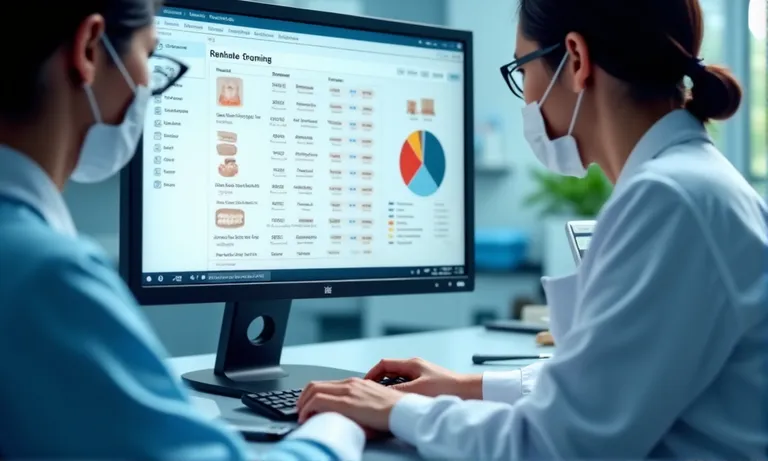
dental-lab-remake-analysis-dashboard
Yes—and cause-level logging is critical. Simply recording “remake requested” isn’t enough. A lab that tracks root cause by category offers far more insight into systemic weaknesses.
| Remake Category | Common Examples | Data Captured |
|---|---|---|
| Fit Issues | Marginal gaps, high occlusion | Scanner type, prep style, design version |
| Shade Mismatch | Wrong tab, lighting inconsistency | Shade guide ID, light temp, photo method |
| Design Errors | Improper contacts, pontic underbuild | Designer ID, version history |
| Technical Flaws | Material cracks, sintering deviation | Batch no., furnace ID, time logs |
Labs like Raytops tag remake requests using internal ticketing systems connected to each case’s unique ID, making it easy to analyze patterns across clinics, scanner models, or prep types.
A reliable lab should share monthly or quarterly summaries, showing both overall remake rate and top reasons. This isn’t just helpful—it builds trust and gives clinics a reference point to assess collaboration efficiency.
Raytops shares remake summaries upon request, segmented by product type (e.g., layered vs. monolithic zirconia) and scanner used. One client in Ontario used this data to identify that 68% of their remakes stemmed from scan margin clarity—prompting a workflow adjustment on their side that dropped remake requests by 40% the next quarter.
Data isn’t the end—it’s the beginning of targeted improvement. Labs can use remake analytics in three ways:
Ultimately, remake tracking systems are not just for lab use—they become part of the client success loop. Labs that proactively use this data to improve consistency, like Raytops, demonstrate a commitment to shared outcomes—not just output.
Understanding a lab’s remake policy is crucial for procurement teams. A vague or inconsistent policy can create frustration, delays, or hidden costs. A well-defined remake policy clarifies expectations on responsibility, turnaround time, documentation, and cost-sharing—especially important for complex crown and bridge cases.
Labs should have a clearly documented remake policy that specifies eligibility, required documentation, turnaround timelines, and conditions under which fees may apply. This allows clinics and procurement teams to evaluate service reliability and risk control.

dental-lab-remake-policy-chart
| Condition | Remake Cost | Notes |
|---|---|---|
| Lab-induced error (fit, margin) | ✅ Free | Requires supporting files and original case reference |
| Minor shade adjustments | 🟡 Partial charge | Depending on client instructions vs original Rx form |
| Clinical prep/design issue | ❌ Excluded | Poor impression, unclear margin, insufficient occlusal clearance |
| After 30-day delivery window | ❌ Excluded | Most labs set a remake request time limit (e.g., 30–45 days) |
| Material batch difference only | 🟡 Partial charge | If esthetics vary but original specs were met |
Most well-structured labs, including Raytops, aim to resolve remake requests fairly. Our remake form includes a checklist to confirm original design, shade, margin files, and client feedback, which helps clarify liability and speed up resolution.
To ensure fair and timely processing, labs typically require the following:
A remake request missing these items may be delayed or denied—not because of policy inflexibility, but to ensure accurate assessment and avoid repeating errors.
Remake timelines vary by case type and material. Based on industry norms and our lab’s data:
| Case Type | Typical Remake Turnaround |
|---|---|
| Single-unit zirconia crown | 3–4 working days |
| Multi-unit posterior bridge | 5–6 working days |
| Implant-supported full arch | 7–10 working days |
Rush remake options may be available but typically require pre-approval and are offered at partial or full cost. Labs should clarify whether remake cases get production queue priority or follow standard lead times.
Effective communication is key to resolving remake requests quickly and fairly. Labs that establish clear feedback channels and structured communication workflows can reduce misalignment, accelerate issue resolution, and preserve trust—even when things go wrong.
Labs should offer traceable, timely, and structured remake communication processes. This includes visual documentation review, dedicated points of contact, and transparent feedback loops—all crucial for maintaining cross-border service quality.

dental-lab-remake-communication-process
Confirmation begins with verification. Labs need to distinguish whether the issue stems from design, manufacturing, or clinic-side inputs. This usually involves:
Raytops uses a structured case review form that logs these inputs and assigns a provisional remake classification before final resolution. This approach reduces back-and-forth and sets clear expectations on outcome responsibility.
Yes—visuals are often the most decisive evidence. Labs may request:
When documentation is incomplete, the lab may pause remake approval until clarity is achieved—this protects both parties from misjudgments and helps identify if remake is truly the optimal solution versus adjustment.
For complex or urgent remakes, knowing who to contact is critical. Labs should designate a dedicated remake liaison—often a senior technician or case manager—who can:
At Raytops, clients are given a specific case handler per region. This makes communication direct and avoids the frustration of repeating case context across teams or time zones.
Reducing remake rates isn’t just about lab quality—it’s a shared responsibility. The most reliable crown and bridge outcomes often come from proactive collaboration between clinics and labs, especially in early-stage case planning and first-time orders.
Labs and clinics can significantly reduce remakes by aligning early on margin clarity, scan detail, and case expectations. Standardized communication protocols and joint QA tools are essential for minimizing first-time errors.

dental-lab-clinic-collaboration-checklist
Inconsistent or incomplete input data is one of the most common remake triggers. Labs routinely encounter:
From Raytops’ experience, nearly 35% of remake discussions involve ambiguous margin data or unclear Rx forms. Encouraging clinicians to review scans before submission and using digital checklists can reduce this risk substantially.
A structured approach helps. Here’s a comparison of typical coordination failures and effective replacements:
| Common Friction Point | Collaborative Fix |
|---|---|
| Incomplete Rx form | Use digital Rx templates with mandatory fields |
| Vague shade instructions | Include tab-based shade photos with natural light reference |
| Last-minute design changes via email | Route changes through platform-based annotations (e.g., 3Shape) |
| Margins unclear due to poor isolation | Use real-time scan preview + optional margin verification support |
| Unclear implant platform designation | Confirm abutment model & screw type during order review |
These practices reduce the ambiguity that causes remakes and build confidence on both sides.
Yes—and clinics benefit greatly from using them. Labs like Raytops offer onboarding toolkits that include:
By integrating these tools into clinic onboarding or SOPs, teams build habits that prevent repeatable mistakes. It’s not just about reducing errors—it’s about creating a culture of precision and mutual accountability.
Choosing a lab isn’t just about price or speed—it’s about how they respond when things go wrong. A lab’s remake and QA systems are often the clearest reflection of their operational maturity, transparency, and commitment to long-term collaboration.
When evaluating dental labs, procurement teams should ask specific, verifiable questions about remake tracking, QA documentation, and resolution protocols. This helps differentiate surface-level promises from process-driven reliability.

Image
ALT: dental-lab-qa-remake-evaluation-checklist
Transparency builds trust. Labs that regularly monitor their own remake data—and are willing to share it—signal process maturity. Ask questions like:
Labs like Raytops maintain internal thresholds (e.g. <3.5% remake rate on zirconia cases) and review these monthly with key accounts. While no lab is perfect, visibility into metrics is a mark of credibility.
Look for evidence of how issues are documented, traced, and closed. A complete remake report should include:
Seeing these workflows shows the lab doesn’t just “redo”—they resolve and learn.
This is about more than policy—it’s about culture. Ask:
Labs with shared platforms (e.g. 3Shape Inbox, LabStar, custom CRMs) can offer end-to-end visibility. Raytops assigns a regional case lead for each client account, ensuring remake handling aligns with that client’s service expectations—not just internal factory routines.
Remake rates in crown and bridge workflows are more than a statistic—they’re a signal. They reveal how well a lab manages precision, collaboration, and accountability across the entire production cycle. For procurement professionals, understanding the true cost of remakes means looking beyond surface-level promises to examine quality controls, documentation systems, and communication transparency.
Labs that proactively log remake causes, offer structured reports, and invest in client-side training don’t just reduce do-overs—they build operational trust. As an overseas dental lab, we’ve seen how shared protocols, pre-submission alignment, and accessible QA data can drastically reduce first-time errors and rework costs. In this industry, consistency isn’t accidental—it’s designed.