Certifying dental materials like e.Max for use in the US and EU can be confusing for clinics navigating legal, clinical, and sourcing risks.
Misunderstanding or overlooking certification requirements leads to customs delays, patient safety concerns, and liability for using non-compliant products.
From CE marks and FDA clearance to ISO standards and shipment verification, knowing what to check—and where to find it—ensures safe, legal, and traceable veneer use across borders.
e.Max veneers are clinically certified for use in both the US and EU through FDA 510(k) clearance and CE marking under MDR. These certifications verify safety, strength, and compliance for intraoral use. Ivoclar’s e.Max products meet ISO 6872 and ISO 13485 standards and are legally approved for veneers, crowns, inlays, and onlays. Proper documentation and batch traceability are required at the clinic and lab level.
For a dental material like e.Max to be used legally and safely in restorative treatments across the US and EU, it must meet strict certification requirements. These not only prove clinical safety and material performance, but also ensure that laboratories and clinics align with international regulatory frameworks.
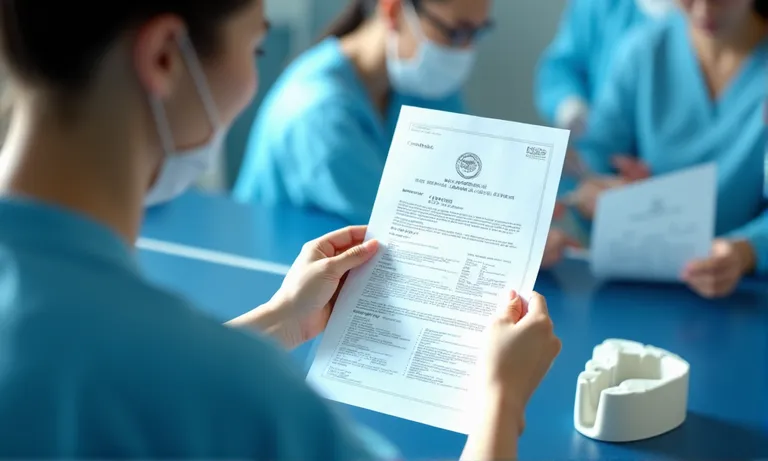
Dental-lab-checking-emax-certification-documents
In the European Union, lithium disilicate veneers such as e.Max must carry a valid CE mark under MDR (EU 2017/745).
In the United States, dental ceramics like e.Max are classified as Class II medical devices, requiring FDA 510(k) clearance.
ISO standards are globally recognized benchmarks for strength, safety, and classification.
| ISO Standard | Relevance | Required For |
|---|---|---|
| ISO 6872 | Defines strength classes for dental ceramics | CE marking |
| ISO 13485 | Quality management system for medical devices | Manufacturing site certification |
While ISO alone doesn’t grant legal market access, it forms the foundation of certification readiness.
Beyond CE and FDA, local agencies or importers often have additional documentation expectations.
✅ CE and FDA certifications are legally required for clinical use in the EU and US – TRUE
Use of uncertified materials can lead to legal liability, patient complaints, and import issues, even if the product appears clinically acceptable.
❌ ISO certification alone is enough for legal clinical use – FALSE
ISO standards are a foundation but must be integrated into CE or FDA pathways for actual market approval.
Clinicians and procurement teams often ask: “Is e.Max really certified for use in both the US and EU?” The answer is yes—but it’s essential to understand what certifications Ivoclar holds, what they mean, and how they impact each shipment that reaches your lab or clinic.
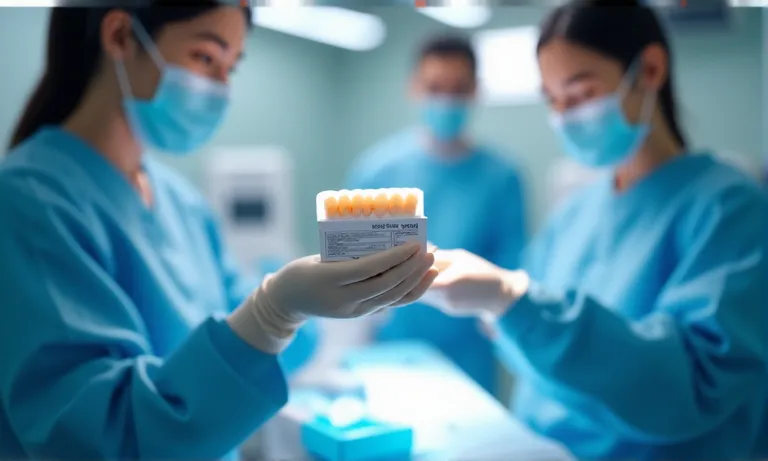
Ivoclar-emax-certification-label-review
Ivoclar Vivadent, the global manufacturer of the e.Max system, has obtained both FDA 510(k) clearance and CE certification for its lithium disilicate products.
These approvals are granted to the manufacturer—not individual labs—which means downstream users must verify they’re sourcing original materials.
The Declaration of Conformity (DoC) is a legal document confirming that e.Max meets essential EU safety and performance requirements.
e.Max is one of the few lithium disilicate systems with FDA-recognized safety for intraoral use.
Every shipment of e.Max materials should include:
✅ Ivoclar’s e.Max system is certified for legal use in both the US and EU – TRUE
It holds FDA 510(k) clearance and CE certification for its intended clinical applications, including veneers.
❌ Labs don’t need to confirm certification as long as it’s from a known brand – FALSE
Even with branded materials, clinics and labs are responsible for verifying batch integrity and labeling for each case, especially in cross-border workflows.
The reputation of e.Max veneers doesn’t only come from clinical results—it’s also built on rigorous production standards. Ivoclar’s manufacturing ecosystem integrates ISO-certified processes, biocompatibility testing, and strict labeling controls. For clinics and labs, understanding these backend systems enhances trust in every restoration delivered.
Emax-production-quality-standards-lab-audit
Yes. Ivoclar manufactures all e.Max materials under ISO 13485: a globally recognized quality management standard for medical devices.
Lithium disilicate used in e.Max undergoes strict pre-market and in-process testing.
| Test Type | Purpose | Standard Referenced |
|---|---|---|
| Cytotoxicity | Ensures material doesn’t harm tissues | ISO 10993-5 |
| Sensitization | Screens for allergic reaction potential | ISO 10993-10 |
| Oral environment aging | Tests color and structure under saliva | Internal protocol |
These tests support CE marking and FDA clearance, not optional add-ons.
Although veneers themselves are not supplied sterile, packaging must meet regulatory expectations.
Every unit must display:
High-aesthetic cases depend not only on artistry, but also on material integrity.
Ask us for Ivoclar’s ISO certifications, MSDS, or original batch labeling samples—we’re happy to support clinical confidence with full transparency.
Not all lithium disilicate veneers are created equal. While some products mimic the appearance or branding of e.Max, they often lack regulatory clearance and pose serious clinical, legal, and operational risks. For labs and clinics, distinguishing genuine certification from imitation is critical to protecting both patients and reputations.
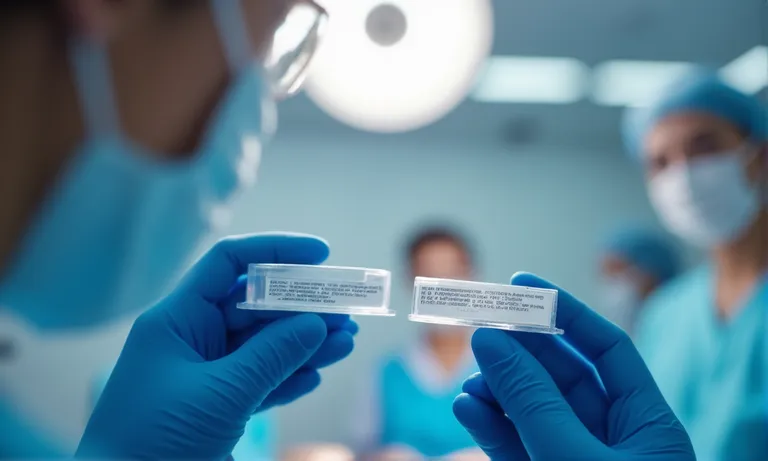
Non-certified-veneer-risk-warning
Using non-certified materials exposes clinics to legal liability—even if the product performs “acceptably.”
Unregulated veneers often use inconsistent or untested ceramic compositions.
| Risk Factor | Non-Certified Imitations | Genuine e.Max |
|---|---|---|
| Composition Variability | High (batch-to-batch differences) | Strictly controlled |
| Thermal Stability | Unverified | Clinically validated |
| Long-Term Color Stability | Unpredictable | 10+ year performance data |
Such inconsistencies can lead to fractures, discoloration, or even cytotoxicity.
Beyond legal concerns, these products compromise the clinical outcome.
Customs inspections in the EU and US increasingly flag non-compliant imports.
✅ Non-certified veneers carry legal, clinical, and reputational risks – TRUE
They may look similar to e.Max but lack proven safety, strength, and documentation. Risks span from patient harm to customs confiscation.
❌ If the veneer performs well, certification doesn’t really matter – FALSE
Short-term performance is not a substitute for validated safety and legal compliance. In regulated markets, documentation is not optional—it’s mandatory.
Even when working with well-known brands, the responsibility to confirm certification doesn’t stop at the supplier. Labs and clinics must implement simple, effective checks to ensure every e.Max veneer delivered meets regulatory standards—especially for cross-border workflows or multi-clinic operations.
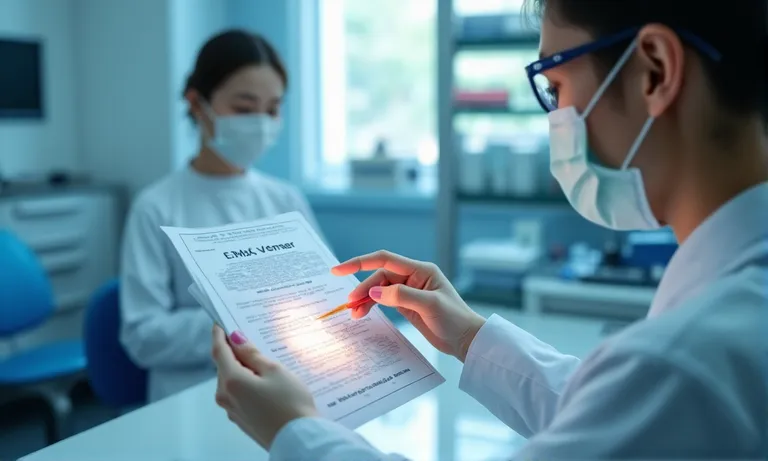
Dental-clinic-checking-emax-certification-labels
Certification is not confidential—it’s a right for every clinical user to request.
Labs that resist providing certification data may not be sourcing from compliant suppliers.
True traceability links every case to its manufacturing origin.
This protects clinics during audits, recalls, or patient claims.
Labs are your frontline quality gate—not just a product provider.
Building verification into your routine removes future risk.
Certification is not a paperwork exercise—it’s clinical protection.
Need help building a certification checklist or verifying an e.Max batch? We’re here to support.
Global certification standards aren’t optional—they’re essential for safe, legal dental care. From CE marking to FDA clearance, every e.Max veneer should be backed by verifiable documentation, traceable batches, and certified manufacturing. Clinics and labs that treat certification as part of their workflow gain not only compliance, but also trust, protection, and clinical confidence.
Want reliable, fully certified e.Max veneers? Reach out to Raytops Dental Lab for documentation-ready restorations trusted by clinics across the US and EU.